Case Study #3: Living Aisles, 5-Field Rotation, Cover Crops
PermaNews Brief
Key Takeaways
Living aisles with cover crops and crop rotation boost farm resilience, soil health, and biodiversity while reducing erosion.
- Integrate cover crops between cash crops to reduce erosion.
- Implement 5-field rotation to break pest cycles and rest soil.
- Stagger seeding and mow cover crops to manage biomass.
- Improve water infiltration and microbial activity with these practices.
- Enhance biodiversity above and below ground for ecosystem health.
Why It Matters
These practices offer practical ways to farm sustainably, balancing productivity with environmental care, and creating robust systems against extreme weather.
What to Do Next
Start with a small trial section of living aisles in a new or existing crop bed this season.
Recommended for: Farmers and land managers seeking to integrate ecological practices for enhanced soil health, biodiversity, and farm resilience.
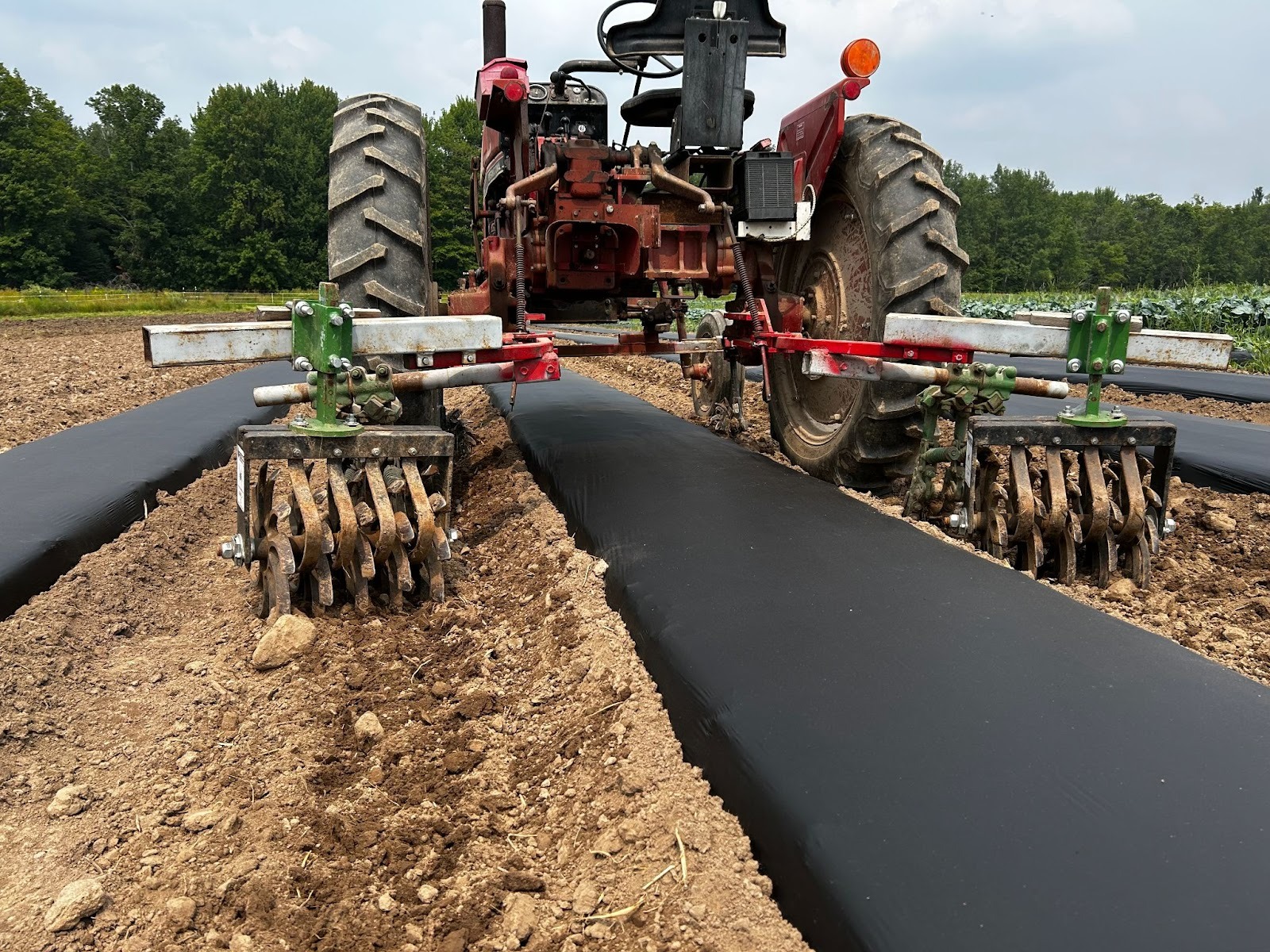
This article presents practical case studies from diverse farms experimenting with living aisles—cover crops planted between cash crop beds—to reduce erosion, improve soil health, and increase system resilience. The featured farms implement a five-field crop rotation, allowing fields to rest every five years, which helps break pest and disease cycles and gives the soil time to recover. The use of cover crops in these rotations is highlighted as a key strategy for enhancing soil structure, reducing compaction, and boosting organic matter. Farmers employ staggered seeding and periodic mowing to manage biomass decomposition, ensuring that the cover crops do not compete with cash crops for nutrients and water. The case studies demonstrate that integrating living aisles and cover crops into crop rotations leads to improved water infiltration, reduced runoff, and increased microbial activity. These practices also contribute to greater biodiversity above and below ground, supporting beneficial insects and soil organisms. The article emphasizes that the combination of crop rotation and cover crops is especially effective in reducing erosion and building long-term soil resilience, making farming systems more adaptable to extreme weather events. The practical insights provided are valuable for farmers seeking to adopt sustainable practices that balance productivity with environmental stewardship.
Source: cropsandsoils.extension.wisc.edu
Related Analysis
- Food Forest Courses Shift From Theory to Build-Ready Skills — Several food forest courses now open with site assessment and guild-building rather than design theory, suggesting a dev…
- Practitioners Build Silvopasture Playbook Before Researchers Catch Up — A small but consistent set of signals from the Northeast U.S. shows farmers actively piloting silvopasture while formal …
Related on PermaNews
- Designing Regenerative Resilience: Participatory Living Labs (How-To Guide)
- Federal Policy Shift: Native Regenerative Ag for Soil & Carbon (Article)
- Amazonas: Chakra Waldgärten – Dynamische Agroforst-Wunder (Case Study)
- Nagaland's Jhum-Alder Agroforestry: Climate-Smart Farming (Article)
- Aboriginal Cool Burns: Permaculture's Ancient Fire Wisdom (Case Study)
- CIT-ED Pioneers Tribal Food Forest for Climate & Food Security (Case Study)
Explore more in Food Systems & Growing — the full hub for this knowledge area.