Heatwave Horticulture: Optimal Watering for Resilient Gardens
PermaNews Brief
Key Takeaways
Optimal watering practices and mulching are crucial for plant health and survival during hot weather, ensuring resilience against heat stress.
- Water deeply and infrequently to encourage strong root growth.
- Water early in the morning to maximize absorption and minimize evaporation.
- Apply organic mulch to insulate soil and reduce water loss.
- Avoid watering during peak sun to prevent evaporation and leaf scorch.
- Adapt watering schedule to local climate and plant needs.
Why It Matters
Implementing smart watering and mulching strategies significantly boosts plant resilience, conserves water, and maintains garden productivity through extreme heat events, directly impacting food security and ecosystem health.
What to Do Next
Set up a drip irrigation system or commit to morning hand-watering for your most heat-sensitive plants this week.
Recommended for: Gardeners and land managers seeking to protect their plants and optimize water use during periods of high heat.
During periods of elevated temperatures, the method and timing of watering plants become crucial for their survival and continued health. Effective strategies can significantly mitigate the stress plants experience from heat.
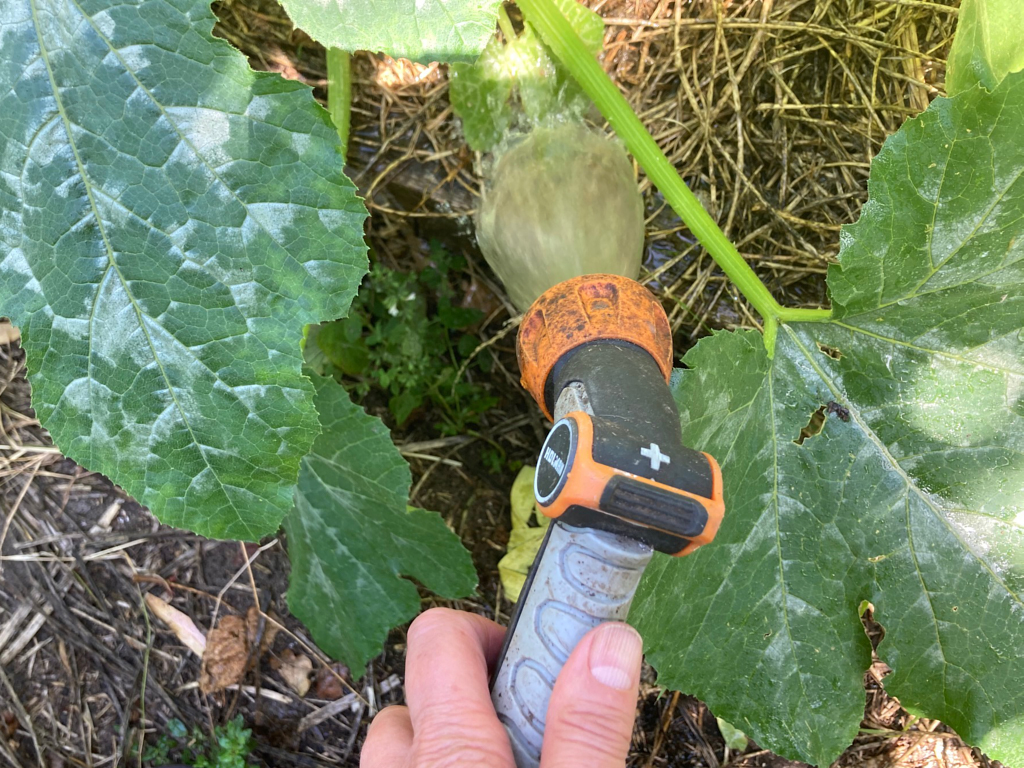
One primary recommendation is to water plants deeply and less frequently, rather than shallowly and often. Deep watering encourages roots to grow further down into the soil, where moisture is more consistently available and temperatures are cooler. This creates a more resilient plant less dependent on surface moisture, which evaporates quickly in hot conditions. When watering, it's beneficial to apply water slowly, allowing it to soak into the soil rather than running off. This can be achieved using soaker hoses, drip irrigation systems, or by hand-watering deliberately at the base of each plant.
The timing of watering is equally important. The optimal time to water is early in the morning, before the sun's intensity increases. This allows the water to penetrate the soil and be absorbed by the roots before significant evaporation occurs. Watering in the evening can also be effective, but it carries a slight risk of promoting fungal diseases if foliage remains wet overnight. However, if morning watering isn't feasible, evening watering is still preferable to watering during the hottest part of the day, when much of the water would be lost to evaporation. Watering in the middle of the day is generally discouraged due to high evaporation rates and the potential for water droplets on leaves to magnify sunlight, causing leaf scorch.
Mulching is another highly effective technique for heat management. Applying a layer of organic mulch, such as straw, wood chips, or compost, around the base of plants helps to insulate the soil. This insulation keeps the soil cooler, reduces water evaporation, and suppresses weed growth, which competes with plants for water and nutrients. A layer of mulch 2-4 inches deep is generally recommended, but it's important to keep it a few inches away from plant stems to prevent rot.
Providing shade can also protect sensitive plants from the harshest midday sun. This can be done using shade cloth, temporary structures, or by strategically planting taller, more heat-tolerant plants to cast shadows on smaller, more vulnerable ones. Even temporary shade during the hottest part of the day can make a significant difference in a plant's ability to cope with extreme heat.
Monitoring soil moisture levels is essential. Instead of watering on a fixed schedule, it's better to check the soil directly. Sticking a finger into the soil a few inches deep can indicate whether it's dry and needs watering. Wilting leaves can also be a sign of water stress, but by the time plants show severe wilting, they are already under significant strain. Proactive monitoring helps prevent this.
Finally, selecting appropriate plant varieties for the local climate is a long-term strategy for heat resilience. Choosing drought-tolerant or native plants that are naturally adapted to hot conditions can reduce the need for intensive watering and care during heatwaves. Even within a garden, grouping plants with similar water needs together can make watering more efficient. By implementing these strategies, gardeners can help their plants not only survive but thrive even during periods of intense heat.
Source: organicgardener.com.au
Related Analysis
- Designers Push Urban Standard From Sustainable to Regenerative — Early signals point to a push for urban design that actively restores ecosystems, not merely reduces harm — with field-t…
- Scrapped EV Batteries Convert to Solar Storage in Off-Grid Markets — Several sources suggest retired EV batteries are finding a second role in rural off-grid solar systems, potentially lowe…
Related on PermaNews
- Building Resilient Soils: Planning & Resources for Extreme Weather Events (Event)
- Rodale Institute's 50-Year Regenerative Organic Journey (Article)
- Rodale FST: 40+ Years of Organic vs. Conventional Farming (Case Study)
- Seed Saving: A Revolutionary Act for Biodiversity & Food (Article)
- Biodynamic Preparation Workshop with Vincent Masson: 17th September (12:00 pm) to September 18th (6:00 pm) 2026, Emerson College, East Sussex (Event)
- Pest Management for Organic Farming Systems in Florida (Event)
Explore more in Water, Climate & Adaptation — the full hub for this knowledge area.