Exotic Plants in Permaculture: Aranya & Maddy Harland
By Permaculture Magazine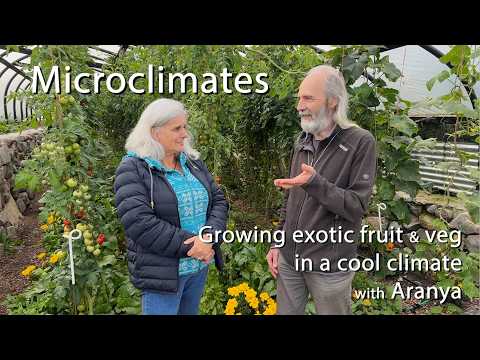
TL;DR: Integrating exotic plants into permaculture design can enhance biodiversity and productivity when carefully selected and managed.
- Exotic plants can complement native species in permaculture systems.
- Thorough research is crucial before introducing non-native plants.
- Assess growth habits, resource needs, and invasiveness potential.
- Exotics can fill ecological niches, extending harvests and biomass.
- Permaculture benefits from a nuanced approach beyond strict nativism.
Why it matters: Strategically incorporating exotic plants can lead to more resilient and abundant permaculture gardens, expanding traditional design possibilities.
Do this next: Research specific exotic plants suitable for your climate and existing ecosystem.
Recommended for: Permaculture designers and gardeners interested in expanding their plant palette responsibly.
This article explores the integration of exotic plants into permaculture garden designs, challenging the common perception that permaculture exclusively focuses on native species. It highlights that while native plants are often prioritized for their ecological benefits and adaptation to local conditions, a nuanced approach allows for the strategic inclusion of non-native species that can enhance biodiversity, productivity, and resilience within a permaculture system.
The discussion begins by acknowledging the foundational principles of permaculture, which emphasize working with nature, observing natural patterns, and designing self-sustaining ecosystems. Within this framework, native plants are undeniably valuable as they support local wildlife, require less intervention once established, and are generally well-suited to the climate and soil. However, the article argues that a strict adherence to nativism can sometimes limit the potential for innovation and abundance, especially in diverse and evolving landscapes.
The authors propose that "exotic" in this context refers to plants originating from different geographical regions, not necessarily invasive species. The key distinction lies in understanding a plant's behavior and its potential impact on the local ecosystem. Before introducing any non-native plant, thorough research is crucial. This includes investigating its growth habits, resource requirements, potential for invasiveness, and its interactions with other flora and fauna. The goal is to select exotics that complement the existing ecosystem rather than disrupt it.
One of the primary benefits of incorporating certain exotic plants is their ability to fill ecological niches that native plants might not occupy, thereby increasing the overall diversity and functionality of the garden. For instance, some exotic fruit trees or perennial vegetables can extend harvest seasons, provide unique nutritional benefits, or offer different forms of biomass for mulching and soil building. They can also contribute to a more resilient system by diversifying the plant palette, making the garden less susceptible to specific pests or diseases that might target native monocultures.
The article emphasizes the importance of careful observation and experimentation. A permaculture designer might introduce a small number of exotic plants and closely monitor their performance and interactions within the system. This iterative process allows for adjustments and ensures that the introduced species are indeed beneficial and not detrimental. Factors such as water usage, nutrient cycling, and the plant's ability to integrate into polycultures are critical considerations.
Furthermore, the discussion touches upon the concept of "naturalized" exotics – plants that have been present in a region for a long time and have successfully integrated into the local ecosystem without causing harm. These plants, while not originally native, can often be considered valuable components of a permaculture design due to their proven adaptability and beneficial contributions.
The authors also highlight the role of exotic plants in creating microclimates and enhancing the overall aesthetic appeal of a garden. Certain species can provide shade, act as windbreaks, or contribute to the visual diversity, thereby improving the comfort and enjoyment of the space. This aligns with permaculture's emphasis on designing systems that are not only productive but also beautiful and functional for human inhabitants.
In conclusion, the article advocates for a balanced and informed approach to plant selection in permaculture. While recognizing the paramount importance of native species, it encourages designers to consider the strategic inclusion of well-researched exotic plants that can enhance the garden's productivity, resilience, and biodiversity. The core message is one of thoughtful integration, emphasizing observation, understanding, and a commitment to creating thriving, diverse, and sustainable ecosystems.
Source: youtube.com
Related Analysis
- Farms Build Resilience, Pivot to Regenerative Soil — New initiatives and analysis explicitly frame regenerative agriculture as a direct solution for climate resilience, focu…
- Federal Policy Pivots, Builds Indigenous Agriculture Frameworks — Federal policy trends are integrating Indigenous knowledge with soil science in regenerative agriculture, shifting polic…
Related on PermaNews
- Ernst Götsch's Cacao Syntropy: Master Agroforestry Now (How-To Guide)
- Finnish Off-Grid: Rocket Mass Heater Performance in Greenhouse (Case Study)
- Berlins schwimmende Gärten: Permakultur auf dem Wasser (Case Study)
- Rodale Report 2025: Thermal Mass Boost in Solar Greenhouses (Case Study)
- AUTarcaMatricultura La Palma: Permakultur & Energieautarkie (How-To Guide)
- Earthaven Ecovillage: 30 Years Off-Grid with Hydro & Solar (Video)
Explore more in Food Systems & Growing — the full hub for this knowledge area.