Nov 2025: Permaculture Garden Winter Prep & Resilience Tour
By Maritime Gardening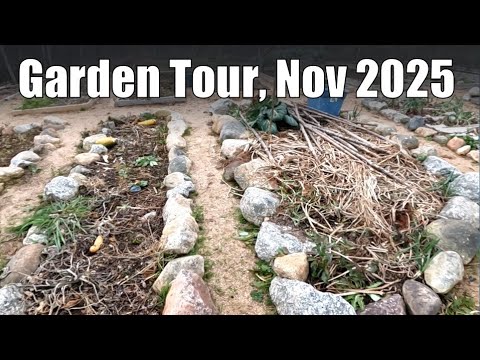
TL;DR: Extend your garden’s productivity and resilience through colder months by applying permaculture principles for winterization and season extension.
- Utilize cold frames to prolong cool-season crop harvests.
- Prepare raised beds with organic matter for winter soil health.
- Integrate perennial herbs and fruits for year-round yield.
- Employ greenhouses for overwintering and early seed starts.
- Focus on soil building and minimal disturbance practices.
Why it matters: Implementing permaculture principles for winter garden preparation ensures continued harvests, protects soil, and builds long-term garden resilience, reducing reliance on seasonal planting cycles.
Do this next: Start preparing your garden beds with compost and shredded leaves for winter protection.
Recommended for: Gardeners looking to maximize their harvest, build soil health, and increase the resilience of their growing space through thoughtful winter preparation.
In November 2025, a garden tour highlighted the resilience and productivity of a permaculture-inspired garden as it transitioned into the colder months. The tour showcased various strategies employed to extend the growing season, protect plants from frost, and prepare the garden for winter dormancy, all while maintaining a focus on ecological principles.
A prominent feature was the use of cold frames, which were actively protecting a variety of greens. These included spinach, kale, and lettuce, demonstrating how simple structures can significantly prolong the harvest of cool-season crops. The cold frames were described as being particularly effective in insulating plants from dropping temperatures and providing a microclimate conducive to continued growth.
The garden also featured several raised beds, which were still producing some crops. While many annuals had finished their cycle, the raised beds were being prepared for winter. This preparation involved adding layers of organic matter, such as compost and shredded leaves, to enrich the soil and protect it from erosion during the winter. This practice aligns with permaculture principles of building soil health and minimizing disturbance.
Another key aspect of the tour was the emphasis on perennial plants. Several varieties of herbs, such as thyme, rosemary, and sage, were thriving, showcasing their hardiness and ability to provide flavor and medicine year-round. Fruit bushes, including blueberries and raspberries, were also noted, with discussions on how they were being pruned and mulched to ensure a strong return in the spring. The integration of perennials is a cornerstone of permaculture, aiming for long-term productivity with minimal intervention.
The garden also incorporated a small greenhouse, which was being utilized for overwintering more tender plants and starting seeds for the following spring. This structure provided a controlled environment, allowing for the cultivation of a wider range of plants and extending the propagation season. The greenhouse was described as a valuable asset for maximizing garden output and diversity.
Composting was a central theme, with several active compost piles visible. The tour highlighted the importance of returning organic waste to the soil, not only for nutrient cycling but also for improving soil structure and water retention. Various stages of decomposition were observed, illustrating the continuous process of transforming kitchen scraps and garden debris into valuable soil amendments.
Water management was also discussed, with the garden employing strategies to conserve water, even in the cooler months. While not explicitly detailed, the mention of mulching throughout the garden suggested an effort to reduce evaporation and maintain consistent soil moisture. This aligns with permaculture's focus on efficient resource use.
The overall impression conveyed was one of a well-managed and productive garden, even as the growing season wound down. The tour demonstrated practical applications of permaculture principles, such as observing natural patterns, integrating diverse elements, and creating closed-loop systems. The garden served as an example of how thoughtful design and ongoing care can lead to a resilient and bountiful food-producing space, even in challenging climates and during transitional periods of the year. The November tour underscored the continuous nature of gardening and the proactive steps taken to ensure future harvests and maintain ecological balance.
Source: youtube.com
Related Analysis
- Farmers Convert Six Weeks of Rhubarb Into 25-Year Supply — Initial signals suggest a rhubarb preservation technique can extend a brief seasonal harvest into 25 years of storage—a …
- Compost Builds Soil Microbiomes—But Human Waste Divides Practitioners — A small but consistent set of signals indicates composting's soil benefits are well-documented, while human-waste compos…
Related on PermaNews
- Autarke Permakultur-Siedlung: Solar-Wind & Redox-Flow-Speicher (Case Study)
- Holmgren's RetroSuburbia: Permaculture for Resilient Living (Article)
- Appalachian Mending: Sewing Survival for Resilience (How-To Guide)
- Ep. 433: Food System Fragility Exposed & Solutions (Video)
- Retrofitting Suburbia: Holmgren's Energy Descent Manual (How-To Guide)
- Passive House Network: Sunflower Sanctuary, Louisville, CO (Case Study)
Explore more in Food Systems & Growing — the full hub for this knowledge area.