Midwest Farm's Future: 4th-Gen Adapts & Thrives
By Jenna Gordon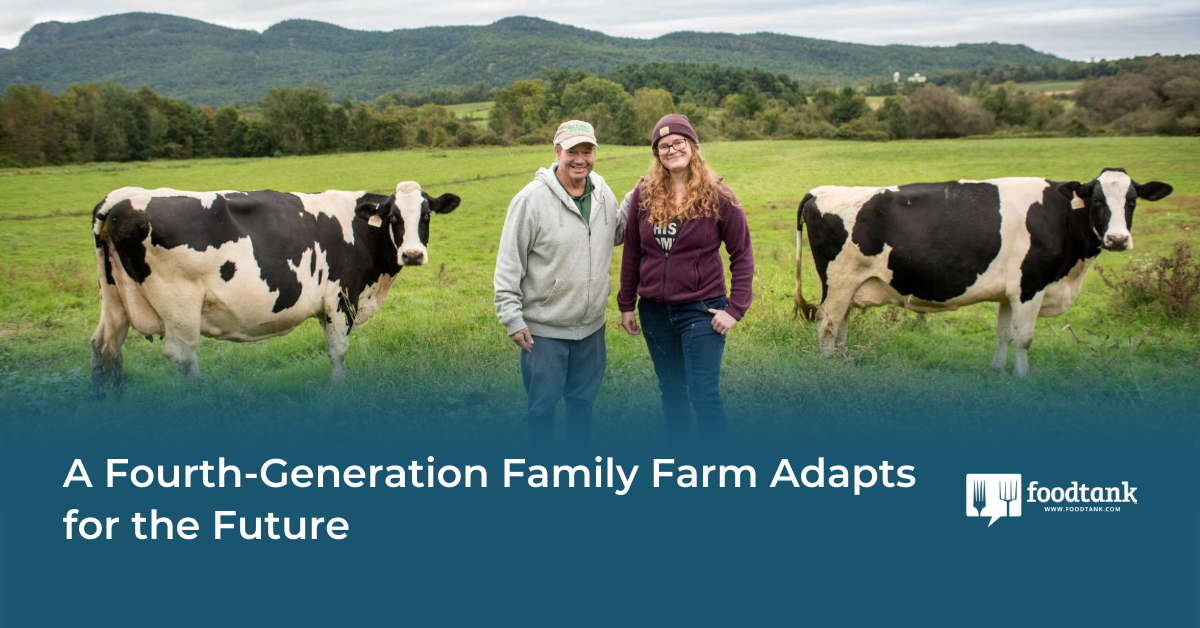
PermaNews Brief
Key Takeaways
A fourth-generation family farm revived its legacy by pivoting to direct-to-consumer sales and regenerative agriculture after facing financial hardship and loss.
- Family farm adapts to challenges.
- Young leader drives diversification.
- Shift to direct-to-consumer sales.
- Embraces regenerative practices.
- Focus on soil health and biodiversity.
Why It Matters
This case study demonstrates how traditional farms can ensure future viability through innovation, market adaptation, and sustainable practices, offering a model for resilience in agriculture.
What to Do Next
Research local farmers markets and direct sales platforms to identify new revenue streams for your produce.
Recommended for: Farmers and agricultural entrepreneurs interested in resilient business models and sustainable farming practices.
A fourth-generation family farm in the Midwest, facing significant challenges, has embarked on a transformative journey to ensure its future viability. The farm, which has been in the family for over a century, recently experienced a period of immense difficulty, including the unexpected passing of a key family member and subsequent financial pressures. These events prompted a critical re-evaluation of the farm's traditional operational model and a search for innovative solutions.
The leadership of this transition has fallen to a young, fourth-generation farmer who, despite her relative youth, has demonstrated a strong commitment to preserving her family's agricultural legacy. Recognizing that continuing with the status quo was unsustainable, she spearheaded a bold initiative to diversify the farm's activities and adopt more resilient practices. This strategic shift was not without its complexities, as it involved moving away from established methods and embracing new, sometimes unfamiliar, approaches to farming and business management.
One of the primary changes implemented was a significant move towards direct-to-consumer sales. Historically, the farm had relied on conventional wholesale channels, which often left them vulnerable to market fluctuations and offered limited control over pricing. By establishing direct relationships with consumers, the farm aims to capture a larger share of the value chain and build a more stable customer base. This involved developing new marketing strategies, including online sales platforms and participation in local farmers' markets, which required a different skill set than traditional commodity farming.
Beyond sales, the farm also began to explore and integrate more sustainable and regenerative agricultural practices. This includes methods designed to improve soil health, conserve water, and enhance biodiversity. The rationale behind this shift extends beyond environmental stewardship; the family believes that healthier land will ultimately lead to more productive and resilient crops, reducing reliance on external inputs and mitigating the impacts of climate change. This long-term perspective is a cornerstone of their new operational philosophy.
The transition also involved a re-evaluation of the farm's crop selection. While traditional crops remain a part of their portfolio, there has been an increased focus on specialty crops and value-added products that command higher prices and cater to niche markets. This diversification helps to spread risk and create multiple income streams, moving away from a monoculture dependency that can be financially precarious.
Furthermore, the family has invested in new infrastructure and technology to support these changes. This includes upgrades to processing facilities for value-added products, improved irrigation systems for water efficiency, and digital tools for managing customer relationships and online sales. These investments represent a significant commitment to the farm's future and a willingness to adapt to modern agricultural demands.
The journey has been characterized by both challenges and successes. The initial period of change required significant effort, learning, and adaptation from all family members involved. There was a need to acquire new knowledge and skills, from marketing and e-commerce to regenerative farming techniques. However, the family's resilience and shared vision have been instrumental in navigating these hurdles. The early results of their efforts have been encouraging, demonstrating the potential for a more diversified, sustainable, and financially secure future for the farm. This ongoing adaptation reflects a proactive approach to ensuring the longevity of a cherished family enterprise in an evolving agricultural landscape.
Source: foodtank.com
Related Analysis
- Compost Researchers Pivot From Soil Mass to Microbial Precision — Several sources suggest compost is being repositioned from a soil amendment to a targeted microbial intervention — with …
- Regenerative Farmers Push Soil Biology Metrics Beyond Yield Data — Several sources suggest regenerative practitioners are moving toward microbial soil metrics as practical management tool…
Related on PermaNews
- Ernst Götsch's Cacao Syntropy: Master Agroforestry Now (How-To Guide)
- Finnish Off-Grid: Rocket Mass Heater Performance in Greenhouse (Case Study)
- Berlins schwimmende Gärten: Permakultur auf dem Wasser (Case Study)
- Rodale Report 2025: Thermal Mass Boost in Solar Greenhouses (Case Study)
- AUTarcaMatricultura La Palma: Permakultur & Energieautarkie (How-To Guide)
- Earthaven Ecovillage: 30 Years Off-Grid with Hydro & Solar (Video)
Explore more in Food Systems & Growing — the full hub for this knowledge area.