Illinois' Pesticide Surge: Native Oaks in Peril
By Paco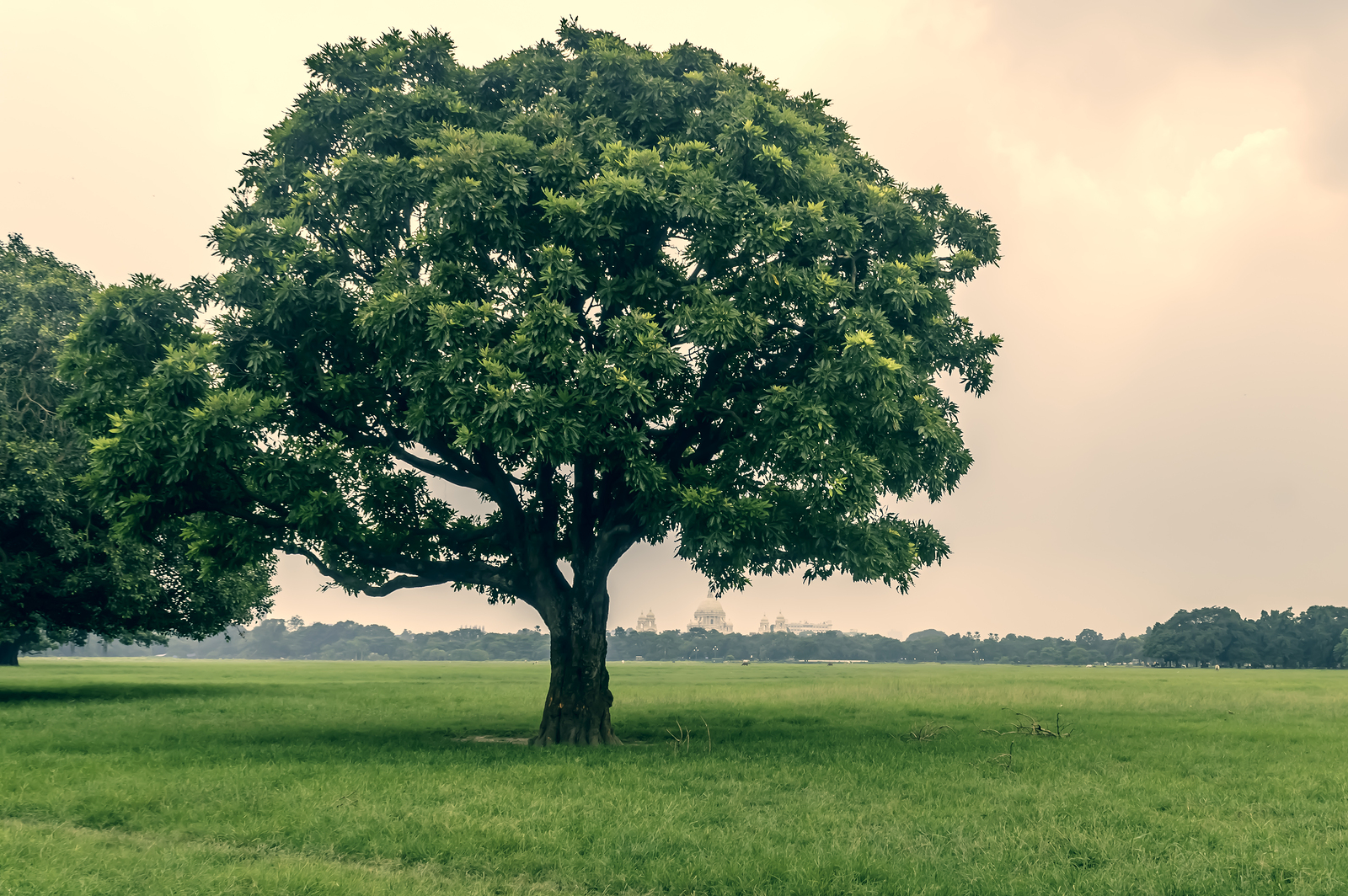
PermaNews Brief
Key Takeaways
Rising pesticide use in Illinois corn and soy fields is harming native oak populations, threatening the state's natural heritage.
- Increased pesticide use linked to oak decline.
- Chemical drift directly impacts oak trees.
- Systemic pesticides weaken trees internally.
- Runoff contaminates soil and waterways.
- Oaks become vulnerable to disease and pests.
Why It Matters
The widespread use of agricultural pesticides is having unforeseen and detrimental effects on non-target ecosystems, jeopardizing biodiversity and ecological balance.
What to Do Next
Research local initiatives promoting regenerative agriculture practices that reduce reliance on synthetic pesticides.
Recommended for: Those interested in the environmental impact of agriculture and ecological conservation efforts.
Since the mid-1990s, Illinois has seen a consistent level of corn and soybean cultivation, yet data from the USDA indicates a dramatic rise in pesticide application within the state. This surge in synthetic pesticide use, a long-standing agricultural practice, is now being linked to a significant decline in the health of native oak populations. The article highlights a growing concern among environmental scientists and conservationists that the widespread chemical treatments intended for agricultural fields are having unintended and detrimental consequences on surrounding ecosystems, particularly on the iconic oak trees that are integral to Illinois's natural heritage.
The increased pesticide load in the environment is believed to be impacting oaks through several mechanisms. One primary concern is the direct exposure of trees to chemical drift. When pesticides are sprayed on crops, especially during windy conditions, these chemicals can be carried beyond the intended agricultural fields and deposited onto nearby forests and individual trees. This direct contact can weaken the trees, making them more susceptible to diseases and pests, or even cause direct toxicity. The article suggests that the cumulative effect of repeated exposure over decades is now manifesting as widespread oak decline.
Beyond direct exposure, the systemic nature of some pesticides and their persistence in the soil and water systems are also implicated. Runoff from agricultural fields carries pesticides into waterways and can contaminate the soil in forested areas. Oaks, with their extensive root systems, can absorb these chemicals, leading to internal damage. This internal stress can compromise the tree's ability to photosynthesize, transport nutrients, and defend itself against pathogens and insects that it would normally be able to withstand. The article implies that this chronic, low-level exposure is a significant factor in the observed decline.
Furthermore, the article points to the broader ecological disruption caused by widespread pesticide use. Pesticides are designed to kill insects and weeds, but they often have non-target effects, impacting beneficial insects, soil microorganisms, and other wildlife. The disruption of these ecological relationships can indirectly harm oaks. For instance, a reduction in beneficial insects that prey on oak pests could lead to increased pest outbreaks on the trees. Similarly, damage to soil microbial communities, which play a crucial role in nutrient cycling, could impair the oaks' ability to access essential nutrients, further weakening them.
The decline in native oak populations is not merely an aesthetic concern; it has significant ecological ramifications. Oaks are keystone species in many Illinois ecosystems, providing habitat and food for a vast array of wildlife, including birds, mammals, and insects. Their deep root systems help stabilize soil and prevent erosion, and their canopy provides shade and regulates temperature. The loss of oaks can therefore trigger a cascade of negative effects throughout the ecosystem, impacting biodiversity and ecosystem services.
The article underscores the urgency of addressing this issue, suggesting that current agricultural practices, while aimed at maximizing crop yields, are creating an unsustainable environmental burden. It implicitly calls for a re-evaluation of pesticide use policies and a greater emphasis on integrated pest management strategies that prioritize ecological health. The long-term health of Illinois's native oak forests, and by extension, its broader ecological integrity, appears to be directly linked to a more sustainable approach to agriculture. The continued exponential increase in pesticide use, despite stable acreage, presents a clear and present danger to these vital natural resources.
Source: organicconsumers.org
Related Analysis
- Baltimore Researchers Reject Yield as Urban Farm Success Metric — Several sources suggest urban agriculture is being recast from food supplement to food sovereignty tool, with peer-revie…
- Urban Food Forest Tours Signal Shift From Passive Gardens — Several initiatives indicate urban food forests are evolving into hands-on design and education hubs — distinct from con…
Related on PermaNews
- Building Resilient Soils: Planning & Resources for Extreme Weather Events (Event)
- Rodale Institute's 50-Year Regenerative Organic Journey (Article)
- Rodale FST: 40+ Years of Organic vs. Conventional Farming (Case Study)
- Seed Saving: A Revolutionary Act for Biodiversity & Food (Article)
- Biodynamic Preparation Workshop with Vincent Masson: 17th September (12:00 pm) to September 18th (6:00 pm) 2026, Emerson College, East Sussex (Event)
- Pest Management for Organic Farming Systems in Florida (Event)
Explore more in Food Systems & Growing — the full hub for this knowledge area.