UK Unveils Great British Energy Plan
By Nick Rosen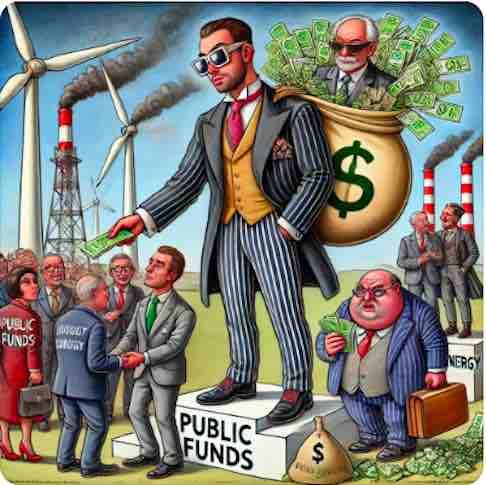
PermaNews Brief
Key Takeaways
New UK energy policy aims to boost infrastructure and investment, but critics question its benefit to consumers and lack of detailed plans.
- UK energy policy focuses on infrastructure.
- Concerns exist over consumer benefits.
- Policy lacks detailed implementation plans.
- Reliance on multinational energy firms is high.
- Copper cabling from international mines is key.
Why It Matters
This energy policy has significant financial implications and could reshape the UK energy landscape, affecting household costs and environmental goals.
What to Do Next
Research local renewable energy incentives and consider community-led energy initiatives in your area.
Recommended for: Energy analysts, UK citizens concerned about energy policy, and investors in the energy sector.
The UK government's recent energy policy announcements have sparked discussion regarding their potential impact on both international energy companies and domestic households. A central point of contention is the perceived prioritization of corporate profits over the need for reduced energy bills for UK citizens. During a morning interview, a prominent BBC interviewer challenged a key political figure on the specifics of the proposed energy strategy, suggesting a lack of concrete evidence that these new policies would lead to lower prices.
The financial implications of these decisions are substantial, with hundreds of billions of pounds expected to be spent over the next five years. A significant portion of this expenditure is allocated to infrastructure development, including the installation of copper cabling sourced from international mines. Concerns have been raised about the limited consultation process surrounding these plans, with critics suggesting that input has been restricted to a select group of energy executives, rather than a broader range of stakeholders.
Despite assurances from political figures about avoiding power cuts in the upcoming winter, the overall investment strategy appears to rely heavily on contributions from multinational energy companies. While a substantial annual investment from these companies is anticipated, concrete investment plans have been slow to materialize, with only one major utility company reportedly announcing significant commitments as part of a large-scale decarbonization program. The details of these pledges, however, remain somewhat vague.
The recent announcements were presented as ushering in a "new era of electricity," yet critics argue that the proposals lacked specific plans, roadmaps, or timelines for their implementation. A particular area of concern is the lack of detailed information regarding "Great British Energy," a central component of the government's growth strategy. While initially presented as a significant initiative, there was little clarity on its operational structure or immediate priorities.
Further scrutiny of accompanying press releases revealed that the substantial funding allocated to Great British Energy, amounting to £8.3 billion, is primarily earmarked for local and community energy projects. While this focus on local initiatives is seen as a positive development, there are concerns that channeling these funds through local authorities could lead to bureaucratic delays and potential slowdowns due to local interest groups. Based on current progress, it is anticipated that it will be at least another year before these community funds begin to support actual projects.
A key statement within the announcement indicated that Great British Energy's entire £8.3 billion budget would be dedicated to "increasing the quantum and consistency of Community Funds for transmission networks." The emphasis on "consistency" has raised concerns that a top-down, rigid approach might stifle innovation and further impede the already slow progress of energy projects. It is also suggested that local authorities will have limited autonomy in how these funds are utilized, potentially exacerbating these issues.
Source: off-grid.net
Related Analysis
- Homeowners Retrofit Properties with Renewable Energy Solutions — Renewable energy retrofitting gains traction as regenerative agriculture principles inform home upgrades. Experts point …
- New Practices Build Climate-Resilient Cob Homes — Cob construction emerges as a key strategy in enhancing resilience against ecological challenges in permaculture systems…
Related on PermaNews
- Solar Surge & Storage Strategies: Insights from Solar & Storage Live (Podcast)
- Autarke Energie: Solar & Wind für 8.500 kWh Überschuss (Case Study)
- Build a Backup Off-Grid Water System (How-To Guide)
- Autark in Bayern: 5kWp Solar, Wind, 20kWh Speicher – Der Off-Grid-Bericht (Case Study)
- DIY Off-Grid Greywater: Murray's Tiny House Micro-Wetland (How-To Guide)
- BUSINESS ENERGY RISK & OPPORTUNITY (Article)
Explore more in Shelter, Energy & Infrastructure — the full hub for this knowledge area.