Productive Winter Day: Rabbits, Soil, & Perennials
By Living Traditions Homestead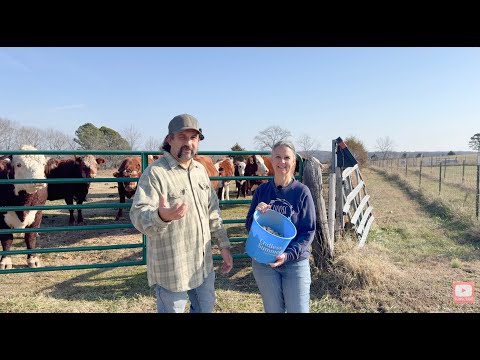
TL;DR: A homestead family tackles diverse tasks, from animal care to infrastructure repairs and garden bed preparation, showcasing winter productivity.
- Winter homesteading involves diverse, ongoing tasks.
- Rabbit tractors offer mobile grazing and fertilization.
- Chicken coops require regular maintenance.
- New garden beds benefit from past animal use.
- Preparation is key for spring planting and expansion.
Why it matters: Even in winter, homesteads require continuous effort in animal care, infrastructure maintenance, and preparing for future growing seasons to ensure self-sufficiency and productivity.
Do this next: Consider how a rabbit tractor could integrate into your animal and garden systems for improved soil health and animal well-being.
Recommended for: Homesteaders interested in practical winter tasks, integrating animal systems, and preparing for spring growth.
The article describes a productive winter day on a homestead, highlighting various tasks undertaken despite the season. The day began with a focus on animal care, specifically addressing the needs of their rabbit colony. The homesteaders observed that the rabbits were consuming a significant amount of hay, necessitating a trip to acquire more. This immediate need underscored the ongoing demands of livestock management, even in colder months.
Following the hay acquisition, attention shifted to the homestead's infrastructure. A critical task involved replacing a broken window in their chicken coop. This repair was essential for maintaining a comfortable and secure environment for the chickens, preventing drafts and potential predator access. The homesteaders noted the importance of such maintenance for animal well-being.
The article then detailed a significant project: the construction of a new rabbit tractor. This endeavor was driven by the desire to expand their rabbit colony, aiming to increase their meat production. The process involved careful planning and execution, with the homesteaders utilizing materials they had on hand. They emphasized the practical benefits of a rabbit tractor, such as allowing the rabbits to graze on fresh forage while providing natural fertilization for the soil. This aligns with permaculture principles of integrating animal systems for multiple benefits.
Another key activity was the preparation of a new garden bed. This involved clearing an area that had previously been used for a temporary chicken coop. The homesteaders discussed the benefits of this location, noting the soil enrichment provided by the chickens. They also mentioned the intention to plant fruit trees in this newly prepared bed, demonstrating a long-term vision for their edible landscape. This highlights the cyclical nature of permaculture, where one element (chickens) prepares the ground for another (fruit trees).
The article also touched upon the ongoing process of seed starting. The homesteaders were actively germinating various seeds indoors, preparing for the upcoming growing season. This proactive approach ensures a head start on their garden and allows them to cultivate a diverse range of plants. They mentioned specific types of seeds they were starting, indicating a thoughtful selection process for their crops.
Beyond the outdoor and animal-related tasks, the homesteaders also engaged in indoor activities. This included processing food, specifically making a large batch of bone broth. This practice is central to self-sufficiency, utilizing resources efficiently and creating nutritious food items. The article implicitly suggests a connection between outdoor work and indoor food preparation, illustrating the holistic nature of homesteading.
The narrative consistently emphasized the importance of utilizing available resources and time effectively. The warm winter day provided an unexpected opportunity to tackle projects that might otherwise be delayed. The homesteaders' approach demonstrated a commitment to continuous improvement and preparation for future seasons, whether it involved expanding their animal systems, improving infrastructure, or preparing for new plantings. The overall tone conveyed a sense of satisfaction and productivity derived from these efforts, showcasing the rewarding aspects of a permaculture-inspired lifestyle.
Source: youtube.com
Related Analysis
- Farms Build Resilience, Pivot to Regenerative Soil — New initiatives and analysis explicitly frame regenerative agriculture as a direct solution for climate resilience, focu…
- Federal Policy Pivots, Builds Indigenous Agriculture Frameworks — Federal policy trends are integrating Indigenous knowledge with soil science in regenerative agriculture, shifting polic…
Related on PermaNews
- Hugelkultur Smackdown with Paul Wheaton and Beau Davidson (Video)
- Soil Health Secret: Fix Soil Forever With This One Amendmen (Video)
- Regenerative Farms Ditch Fertilizer, Thrive for Years (Video)
- Weedkiller-Exposed Farm Soil: Superbug Hotbed? (Article)
- Aufbauende Landwirtschaft 2025: Zukunft des Bodens (Event)
- Nachhaltige Landwirtschaft: Klimaresilienz durch Permakultur (How-To Guide)
Explore more in Food Systems & Growing — the full hub for this knowledge area.