Permaculture's Power: Regenerating Riparian Zones & Life
By Grounded Permaculture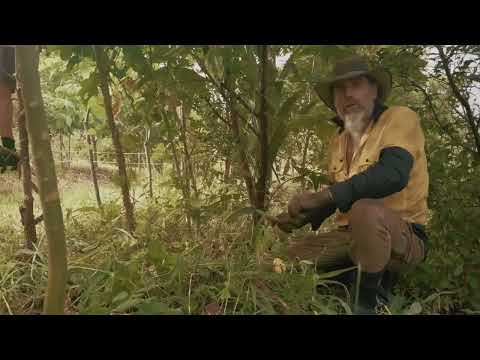
TL;DR: Permaculture principles offer a robust framework for revitalizing degraded riparian zones and enhancing biodiversity through strategic design and restoration.
- Regeneration of riparian zones boosts ecosystem health.
- Observe and interact for tailored permaculture solutions.
- Earthworks slow and spread water, reducing erosion.
- Native plants are crucial for local wildlife and adaptation.
- Permaculture integrates with riparian restoration projects.
Why it matters: Applying permaculture to riparian areas improves water quality, recharges groundwater, and creates resilient ecosystems, directly benefiting local communities and wildlife.
Do this next: Assess your local riparian areas for degradation and potential for permaculture-based restoration.
Recommended for: Landowners, conservationists, and gardeners interested in ecological restoration and sustainable water management.
Permaculture principles offer a powerful framework for regenerating degraded landscapes and fostering biodiversity, particularly when applied to riparian zones. These areas, which are the interfaces between land and a river or stream, are critical for ecosystem health but are often severely impacted by human activities. The article highlights how integrating permaculture design with dedicated riparian restoration projects can lead to significant ecological and hydrological improvements.
One of the core tenets of permaculture, observing and interacting, is crucial in understanding the specific challenges and opportunities presented by a particular riparian area. Before any intervention, a thorough assessment of the existing vegetation, soil conditions, water flow patterns, and historical land use is essential. This allows for the development of tailored solutions that work with, rather than against, natural processes. For instance, identifying areas prone to erosion will inform the strategic placement of native plants with strong root systems, while understanding water flow can guide the creation of swales or other water-harvesting features.
The article emphasizes the importance of earthworks in permaculture-based riparian restoration. Techniques such as contouring, terracing, and the creation of swales or small dams can effectively slow down and spread water across the landscape. This not only reduces erosion and sediment runoff into waterways but also allows for greater infiltration, recharging groundwater and supporting the growth of riparian vegetation. By retaining water on site, these earthworks can transform dry, degraded areas into more resilient and productive ecosystems, even during periods of drought.
Planting native species is another cornerstone of these projects. Native plants are inherently adapted to the local climate and soil conditions, requiring less intervention and providing optimal habitat and food sources for local wildlife. The article stresses the importance of selecting a diverse range of species, including trees, shrubs, and groundcovers, to create a multi-layered ecosystem. This diversity enhances ecological resilience, provides a variety of ecosystem services, and contributes to a more robust food web. For example, deep-rooted trees can stabilize banks, while smaller plants can provide ground cover and improve soil health.
Beyond the physical interventions, the article underscores the social and educational aspects of permaculture in riparian projects. Engaging local communities in the design, implementation, and ongoing maintenance of these projects fosters a sense of ownership and responsibility. Educational programs can raise awareness about the ecological value of riparian zones and the benefits of permaculture practices, encouraging broader adoption of sustainable land management. This community involvement is vital for the long-term success and sustainability of restoration efforts.
The benefits of these integrated approaches are multifaceted. Ecologically, they lead to improved water quality by filtering pollutants and reducing sediment loads, enhanced biodiversity through the creation of diverse habitats, and increased resilience to climate change impacts such as floods and droughts. Hydrologically, they contribute to more stable water tables and improved water retention. Economically, they can offer opportunities for sustainable resource management, such as the cultivation of useful plants or the development of ecotourism. Socially, they strengthen community bonds and promote environmental stewardship.
In essence, the article posits that permaculture provides a holistic and effective methodology for addressing the complex challenges of riparian degradation. By combining careful observation, strategic earthworks, native plant reintroduction, and community engagement, these projects can transform damaged riverbanks into thriving, productive ecosystems that benefit both nature and human communities. The long-term vision is to create self-sustaining systems that require minimal external inputs, embodying the permaculture principle of working with nature rather than against it.
Source: youtube.com
Related Analysis
- Projects Pivot to Integrate Rainwater Harvesting with Energy — New evidence indicates a shift toward integrating rainwater cisterns with renewable energy systems in permaculture proje…
- Farmers Pivot to Innovative Water Solutions Amid Drought — Decentralized water management systems are emerging among regenerative farms to enhance resilience against drought.
Related on PermaNews
- Ernst Götsch's Cacao Syntropy: Master Agroforestry Now (How-To Guide)
- Finnish Off-Grid: Rocket Mass Heater Performance in Greenhouse (Case Study)
- Berlins schwimmende Gärten: Permakultur auf dem Wasser (Case Study)
- Rodale Report 2025: Thermal Mass Boost in Solar Greenhouses (Case Study)
- AUTarcaMatricultura La Palma: Permakultur & Energieautarkie (How-To Guide)
- Earthaven Ecovillage: 30 Years Off-Grid with Hydro & Solar (Video)
Explore more in Water, Climate & Adaptation — the full hub for this knowledge area.