Natural Farming Transforms Millions' Lives in India, Wins Prize
By Elena Seeley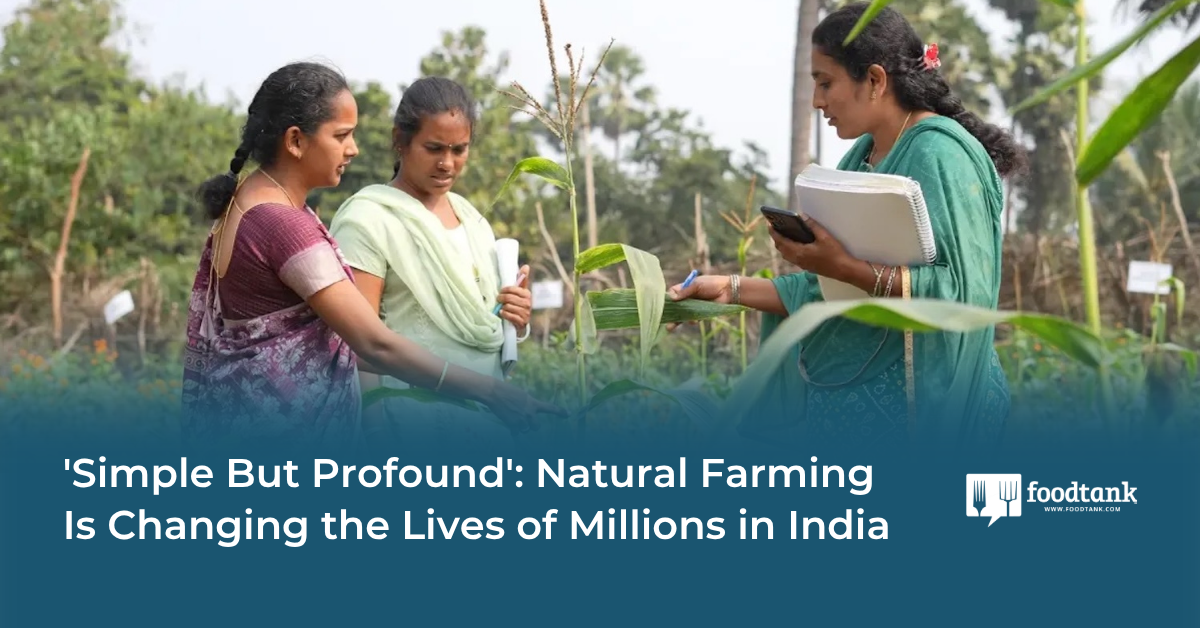
PermaNews Brief
Key Takeaways
A transformative natural farming initiative in India is improving lives and sustainability.
- Large-scale agroecology program launched in India
- Natural farming boosts community resilience
- Farmers experience higher yields and better livelihoods
- Environmental benefits include soil health improvement
- Recognition with the 2026 Food Planet Prize
Why It Matters
This initiative illustrates the potential of natural farming to enhance food security, combat climate change, and support rural economies.
What to Do Next
Explore natural farming techniques applicable to your region.
Permaculture Context
The success of Andhra Pradesh's natural farming program at scale dismantles one of the most persistent objections regenerative practitioners face: that these methods can't feed large populations. When millions of smallholder farmers demonstrate measurable yield improvements alongside soil regeneration — without synthetic inputs — it shifts the conversation from idealism to evidence. For those of us building resilient homesteads, food forests, or community growing systems, this matters in two concrete ways. First, it validates the core toolkit: jeevamrit (fermented microbial inoculants), seed saving, and minimal tillage are no longer fringe practices but proven infrastructure at a national level. Second, it signals a policy window. Programs like this attract institutional funding, research infrastructure, and legal protections for non-chemical farming that can eventually benefit practitioners everywhere. The practical takeaway is to document your own yields and soil health meticulously right now — because as these models scale globally, local data from distributed practitioners becomes leverage for policy change, grant access, and community trust. What India is proving systemically, you can be proving locally.
Recommended for: Farmers, community leaders, and sustainability advocates.
Andhra Pradesh Community Managed Natural Farming received the 2026 Food Planet Prize for leading one of the world's largest agroecology programs.
The post ‘Simple But Profound’: Natural Farming Is Changing the Lives of Millions in India appeared first on Food Tank.
Source: foodtank.com
Related Analysis
- Is Home Canning Worth It? What a Season Actually Pays Back — Home canning's financial case is real but conditional: the setup pays off fastest when you supply your own garden produc…
- What a Backyard Food Forest Actually Costs in Year One — Establishing a backyard food forest in year one costs between $800 and $4,500 (modeled estimate, US, 2026) for a 500–1,0…
Related on PermaNews
- Designing Regenerative Resilience: Participatory Living Labs (How-To Guide)
- Amazonas: Chakra Waldgärten – Dynamische Agroforst-Wunder (Case Study)
- Nagaland's Jhum-Alder Agroforestry: Climate-Smart Farming (Article)
- CIT-ED Pioneers Tribal Food Forest for Climate & Food Security (Case Study)
- weADAPT: 100+ Climate Case Studies & Indigenous Practices (Case Study)
- Water Cycle Restoration Research: Indigenous Wisdom Meets Permaculture (Article)
Explore more in Food Systems & Growing — the full hub for this knowledge area.