Fiordland Overnight: Part 1 - Sustainable Dive & Camp
By Self Sufficient Rhys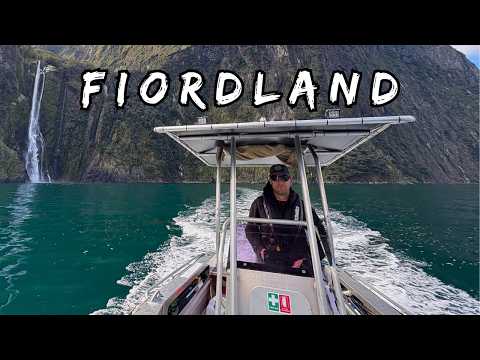
TL;DR: A group practices sustainable seafood foraging and remote camping in Fiordland, New Zealand, emphasizing self-sufficiency and environmental connection.
- Sustainable seafood foraging in pristine waters.
- Adhering to local fishing regulations and quotas.
- Connecting with nature through diving.
- Preparing fresh seafood in a remote camp.
- Navigating challenging marine environments.
Why it matters: This approach demonstrates how to integrate sustainable foraging with outdoor adventure, fostering self-sufficiency and a deeper respect for marine ecosystems.
Do this next: Watch the video to see how to sustainably harvest seafood and set up a remote camp in a challenging environment.
Recommended for: Anyone interested in sustainable foraging, remote camping, and self-sufficient living in challenging natural environments.
This article details the initial stages of a multi-day permaculture-focused adventure in Fiordland, New Zealand, undertaken by a group of individuals with a shared interest in sustainable living and foraging. The expedition aimed to combine diving for seafood with camping in a remote, natural setting, emphasizing self-sufficiency and a deep connection with the environment.
The journey began with the group traveling to a specific location in Fiordland, known for its pristine waters and abundant marine life. The initial phase involved navigating a boat through the fiord, a process that required careful attention to weather conditions and marine charts. The landscape was described as dramatic, with towering cliffs and lush native bush characteristic of the region.
Upon reaching their chosen anchorage, the primary activity for the day was diving. The participants, equipped with wetsuits and diving gear, entered the cold, clear waters of the fiord. The objective was to sustainably harvest seafood, primarily focusing on species like paua (abalone) and kina (sea urchin), which are highly valued for their culinary qualities and are integral to the local ecosystem. The article highlighted the importance of adhering to local fishing regulations and quotas to ensure the long-term health of marine populations. The divers carefully selected mature specimens, leaving smaller ones to grow, demonstrating a commitment to responsible foraging practices.
The underwater environment was depicted as vibrant and teeming with life. Descriptions included kelp forests swaying in the currents, various fish species, and the rocky seafloor where paua and kina typically reside. The act of diving itself was portrayed as a meditative experience, offering a unique perspective on the natural world and fostering a sense of connection to the marine ecosystem.
After a successful diving session, the group returned to the boat with their fresh catch. The next step involved preparing the seafood for consumption. This process was described as hands-on, with participants cleaning and shucking the paua and kina. The emphasis was on utilizing the entire catch efficiently, minimizing waste, and appreciating the bounty provided by nature.
As evening approached, the focus shifted to setting up camp. The chosen campsite was a secluded spot on the shoreline, accessible only by boat. The process of establishing camp involved pitching tents, organizing cooking equipment, and preparing for an overnight stay in the wilderness. The article underscored the challenges and rewards of remote camping, including the need for careful planning, resourcefulness, and resilience in the face of unpredictable weather.
The first evening's meal was a celebration of their foraging efforts, featuring the freshly harvested seafood. The preparation of the meal was a communal activity, with everyone contributing to the cooking process. The article conveyed a sense of camaraderie and shared enjoyment as the group gathered around a campfire, savoring their meal amidst the tranquil backdrop of the fiord. The experience was presented as more than just a meal; it was a culmination of their efforts, a testament to their self-sufficiency, and a moment of deep appreciation for the natural world.
The narrative concluded with the group settling in for the night, reflecting on the day's adventures and anticipating the next stages of their expedition. The overall tone was one of deep respect for nature, a passion for sustainable living, and the joy of shared experiences in a wild and beautiful environment. The article effectively conveyed the essence of a permaculture-inspired adventure, blending practical skills with an appreciation for ecological balance and community.
Source: youtube.com
Related Analysis
- Farmers Convert Six Weeks of Rhubarb Into 25-Year Supply — Initial signals suggest a rhubarb preservation technique can extend a brief seasonal harvest into 25 years of storage—a …
- Compost Builds Soil Microbiomes—But Human Waste Divides Practitioners — A small but consistent set of signals indicates composting's soil benefits are well-documented, while human-waste compos…
Related on PermaNews
- Ernst Götsch's Cacao Syntropy: Master Agroforestry Now (How-To Guide)
- Finnish Off-Grid: Rocket Mass Heater Performance in Greenhouse (Case Study)
- Berlins schwimmende Gärten: Permakultur auf dem Wasser (Case Study)
- Rodale Report 2025: Thermal Mass Boost in Solar Greenhouses (Case Study)
- AUTarcaMatricultura La Palma: Permakultur & Energieautarkie (How-To Guide)
- Earthaven Ecovillage: 30 Years Off-Grid with Hydro & Solar (Video)
Explore more in Food Systems & Growing — the full hub for this knowledge area.