Guinea Fowl: Enigmatic Pest Control for Permaculture Homesteads
By Leanne Croker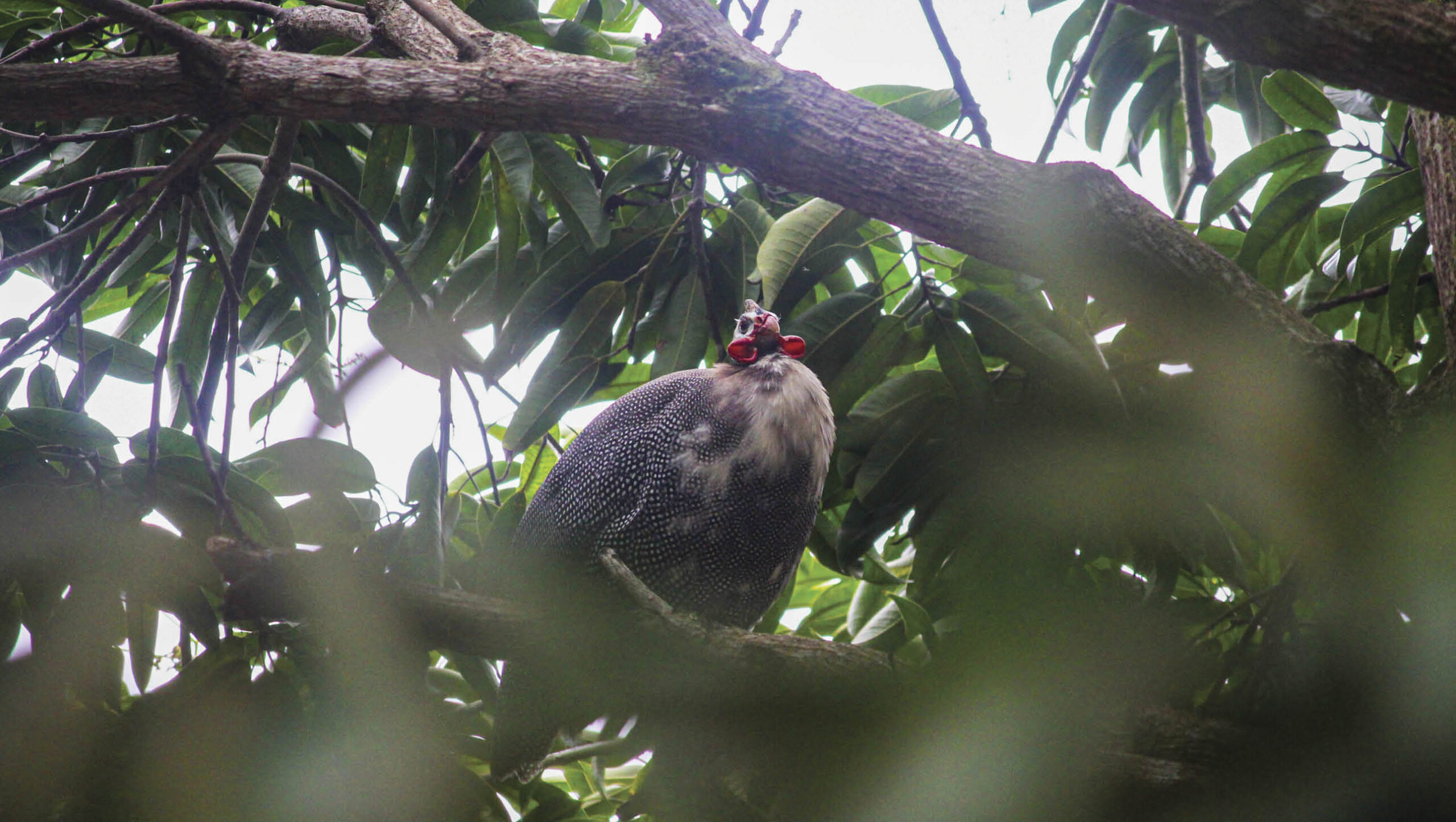
PermaNews Brief
Key Takeaways
Guinea fowl offer natural pest control and predator alerts for farms and homesteads, but their noise requires careful consideration.
- Effective natural pest control for insects, slugs, and snails.
- Provide early warning against predators with loud alarm calls.
- Can protect other vulnerable poultry like chickens.
- Require careful consideration due to their inherent noisiness.
- Valuable for diverse agricultural and homesteading environments.
Why It Matters
Integrating guinea fowl can significantly reduce reliance on chemical pesticides and enhance property security, contributing to a more sustainable and protected environment.
What to Do Next
Research local regulations and neighbor tolerance for noise before acquiring guinea fowl.
Recommended for: Homesteaders, small farmers, and gardeners seeking sustainable pest control and property security solutions.
Guinea fowl present a unique and beneficial addition to a diverse agricultural or homesteading environment, particularly due to their natural inclination to control pest populations. These birds, often described as enigmatic, possess a range of characteristics that make them valuable, though they also come with specific considerations for their successful integration into a flock.
One of the primary advantages of guinea fowl is their voracious appetite for insects and other small invertebrates. They are highly effective at foraging for ticks, grasshoppers, flies, and various garden pests, which can significantly reduce the need for chemical pesticides. This pest control capability extends beyond insects to include slugs and snails, making them a natural and organic solution for protecting crops and livestock from common nuisances and disease vectors. Their diligent foraging habits mean they constantly patrol an area, actively seeking out and consuming pests, thus contributing to a healthier ecosystem within the farm or garden.
Beyond pest control, guinea fowl also exhibit a strong protective instinct. They are known for their loud alarm calls, which they emit when they perceive a threat. This characteristic makes them excellent "watchdogs" for a property, alerting owners to the presence of predators such as foxes, hawks, or even unfamiliar human visitors. Their vocalizations can deter potential threats, safeguarding not only themselves but also other poultry, like chickens, that might be more vulnerable. This early warning system can be invaluable for preventing losses due to predation.
However, their vocal nature can also be a double-edged sword. Guinea fowl are inherently noisy birds, and their frequent, often piercing calls can be a source of disturbance, especially in suburban or densely populated areas. Prospective owners need to consider their neighbors and the potential for noise complaints before introducing guinea fowl to their property. Training them to be less vocal, or at least to only vocalize when genuinely alarmed, can be challenging.
Another aspect to consider is their semi-wild nature. Guinea fowl are not as domesticated as chickens and tend to be more independent and free-ranging. They prefer to roost in trees or high places rather than coops, and they can be prone to wandering far from their home base if not properly contained or trained. While this independence contributes to their foraging efficiency, it also means they require more space and a different management approach compared to other poultry. Establishing a strong bond with them from a young age and consistently providing food and water in a designated area can encourage them to stay closer to home.
Their social structure is also noteworthy. Guinea fowl are flock animals and thrive in groups. Introducing a single guinea fowl to an existing flock of chickens might not be successful, as they prefer the company of their own kind. It is generally recommended to start with a small group of at least three to six birds to ensure their well-being and natural social dynamics. When integrated with other poultry, they can coexist peacefully, often forming a symbiotic relationship where their alarm calls benefit the entire flock.
In terms of care, guinea fowl are relatively hardy and disease-resistant compared to some other poultry. They are excellent foragers, which can reduce feed costs, as they supplement their diet with insects and plant matter. However, they still require access to a balanced diet, fresh water, and shelter from extreme weather conditions. Their eggs are smaller than chicken eggs but are known for their rich flavor and harder shells, which give them a longer shelf life.
In summary, guinea fowl offer a compelling package of benefits, primarily their exceptional pest control capabilities and their role as natural alarm systems. Their independent nature, vocalizations, and specific social requirements necessitate careful consideration and a tailored management approach. For those seeking an organic, self-sufficient solution to pest management and enhanced farm security, and who are prepared for their unique characteristics, guinea fowl can be a highly rewarding addition to an agricultural setting.
Source: organicgardener.com.au
Related Analysis
- Regenerative Farmers Flip Cover Crop Logic From Compliance to Profit — Practitioner accounts and a new meta-analysis suggest cover cropping is being reframed from conservation practice to pro…
- Farmers Convert Six Weeks of Rhubarb Into 25-Year Supply — Initial signals suggest a rhubarb preservation technique can extend a brief seasonal harvest into 25 years of storage—a …
Related on PermaNews
- Ernst Götsch's Cacao Syntropy: Master Agroforestry Now (How-To Guide)
- Finnish Off-Grid: Rocket Mass Heater Performance in Greenhouse (Case Study)
- Berlins schwimmende Gärten: Permakultur auf dem Wasser (Case Study)
- Rodale Report 2025: Thermal Mass Boost in Solar Greenhouses (Case Study)
- AUTarcaMatricultura La Palma: Permakultur & Energieautarkie (How-To Guide)
- Earthaven Ecovillage: 30 Years Off-Grid with Hydro & Solar (Video)
Explore more in Food Systems & Growing — the full hub for this knowledge area.