Caribbean Agroforestry Institute: OffGrid 2026 Homesteading
By Caribbean Agroforestry Institute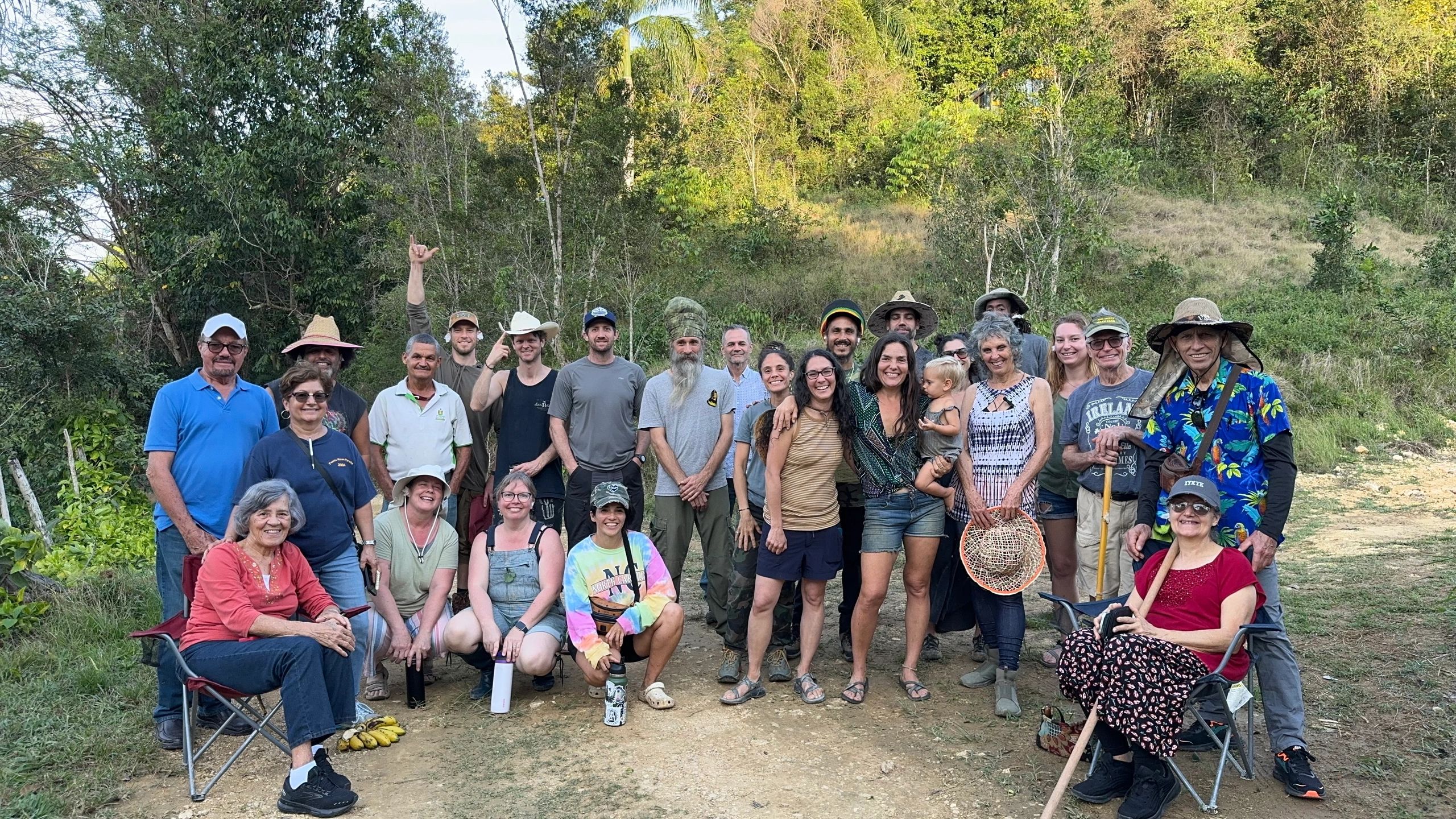
PermaNews Brief
Key Takeaways
Immerse yourself in a 4-day intensive workshop in Puerto Rico on off-grid living, permaculture, and agroforestry.
- Learn permaculture principles and agroforestry basics.
- Practical skills: site analysis, swale construction, plant guilds.
- Specialized sessions: bamboo, mushrooms, medicinal herbs.
- Gain tools for resilient, self-sufficient living.
- Connect with a community of homesteaders.
Why It Matters
This workshop provides hands-on experience and knowledge crucial for creating sustainable and productive off-grid homesteads, particularly relevant in challenging island ecosystems.
What to Do Next
Explore the Caribbean Agroforestry Institute website for upcoming workshop dates and registration details.
Recommended for: Anyone seeking to establish or enhance a resilient, productive off-grid homestead, especially in tropical or semi-tropical regions.
The OffGrid Homesteading 2026 workshop, hosted by the Caribbean Agroforestry Institute in Camuy, Puerto Rico, offers a 4-day immersive experience in permaculture, agroforestry, and off-grid living on a 36-acre off-grid homestead at 1000’ elevation. Participants engage in hands-on learning with expert instructors specializing in bamboo, mushroom cultivation, and medicinal herbs, covering project implementation and case studies for self-sufficient lifestyles. The program includes 10 farm-fresh organic meals, BYO tent/hammock camping, and is priced at $800 per student or $1200 per couple, with kids under 10 free and a $400 non-refundable deposit. The syllabus introduces permaculture principles, agroforestry basics, solar design, and water catchment systems, equipping attendees to build resilient, productive ecosystems. Activities emphasize practical skills like site analysis, zone planning, swale construction, and plant guild design, tailored to tropical Caribbean contexts. Guest instructors provide specialized knowledge on bamboo for construction and erosion control, mushroom log inoculation for protein sources, and herb propagation for medicine and cuisine. The workshop fosters community through group projects, such as establishing a mini food forest or solar-powered systems, while discussing challenges like hurricane resilience and water security. This event bridges theory and practice, inspiring participants to replicate models on their properties. It highlights permaculture's adaptability to island ecosystems, integrating agroforestry for year-round yields of fruits, nuts, and perennials. Outcomes include actionable plans, resource lists, and networks for ongoing support, positioning attendees to pioneer off-grid homesteading amid climate uncertainties.
Source: caribbeanagroforestry.org
Related Analysis
- Composting Advice Shifts From Chemistry to Microbial Biology — Several sources suggest composting guidance is pivoting from nutrient ratios toward microbial ecology—reframing what "go…
- Does Growing Your Own Food Actually Save Money? The Real Numbers — Most home gardens save money by year two — but only if the right crops are planted. Herbs and salad greens deliver 5–10x…
Related on PermaNews
- Ernst Götsch's Cacao Syntropy: Master Agroforestry Now (How-To Guide)
- Finnish Off-Grid: Rocket Mass Heater Performance in Greenhouse (Case Study)
- Berlins schwimmende Gärten: Permakultur auf dem Wasser (Case Study)
- Rodale Report 2025: Thermal Mass Boost in Solar Greenhouses (Case Study)
- AUTarcaMatricultura La Palma: Permakultur & Energieautarkie (How-To Guide)
- Earthaven Ecovillage: 30 Years Off-Grid with Hydro & Solar (Video)
Explore more in Food Systems & Growing — the full hub for this knowledge area.