Flores Agroforestry Decline: Manggarai Wisdom Fades
By Mongabay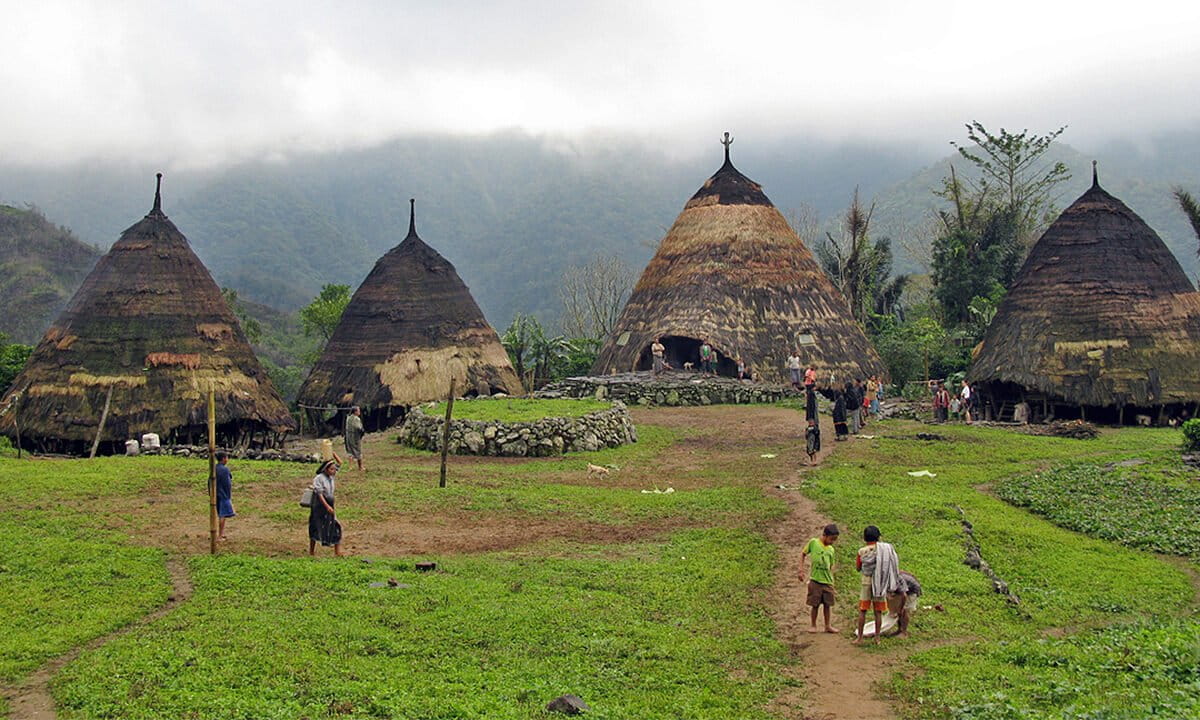
PermaNews Brief
Key Takeaways
Traditional Indonesian agroforestry practices are fading, leading to ecological decline and the loss of invaluable indigenous knowledge.
- Agroforestry decline causes ecological damage like canopy loss.
- Traditional knowledge and language are threatened by this decline.
- Loss impacts biodiversity and water regulation negatively.
- Reviving practices crucial for ecology and cultural heritage.
Why It Matters
The erosion of traditional agroforestry in Flores highlights the global impact of losing sustainable land management practices and indigenous knowledge systems critical for ecological balance and cultural identity.
What to Do Next
Research local indigenous land management practices in your region and identify ways to support their preservation or revival.
Recommended for: Anyone concerned with biodiversity loss, cultural preservation, and the future of sustainable food systems.
This article examines the decline of traditional agroforestry practices in the Flores highlands of Indonesia, where the Manggarai people historically integrated farming with forest stewardship. The reduction in agroforestry has led to ecological consequences such as diminished canopy cover, impaired water regulation, and loss of biodiversity. Additionally, the decline threatens the preservation of traditional ecological knowledge and language associated with these practices, which are integral to the community's cultural identity and sustainable land management. The article highlights the need to revive and support agroforestry to restore ecological balance and maintain cultural heritage in the region.
Source: news.mongabay.com
Related Analysis
- Food Forest Courses Shift From Theory to Build-Ready Skills — Several food forest courses now open with site assessment and guild-building rather than design theory, suggesting a dev…
- Practitioners Build Silvopasture Playbook Before Researchers Catch Up — A small but consistent set of signals from the Northeast U.S. shows farmers actively piloting silvopasture while formal …
Related on PermaNews
- Ernst Götsch's Cacao Syntropy: Master Agroforestry Now (How-To Guide)
- Lo—TEK: Indigenous Tech for Climate Solutions (Article)
- Borneo's Rainforest Revival: Dr. Smits' Sugar Palm Village Hub (Case Study)
- Federal Policy Shift: Native Regenerative Ag for Soil & Carbon (Article)
- PRI Jordan: Arid Zone Permaculture Yields 5 Tons/Hectare (Case Study)
- Indigenous Placekeeping: Regenerative Design Frameworks (How-To Guide)
Explore more in Food Systems & Growing — the full hub for this knowledge area.