Tiny City Backyard: 92% Veggie Self-Sufficiency!
By Happen Films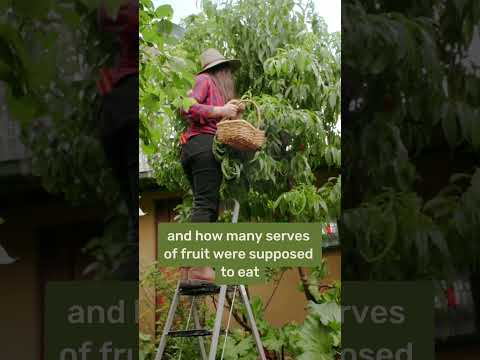
TL;DR: A city gardener achieved 92% vegetable self-sufficiency using permaculture in her small backyard.
- Maximize small spaces with vertical gardening techniques.
- Implement companion planting for pest control and growth.
- Build rich, living soil with composting and organic matter.
- Conserve water using rainwater harvesting systems.
- No-dig gardening preserves soil structure and fertility.
Why it matters: This approach demonstrates substantial food production is possible in limited urban spaces, challenging traditional gardening notions.
Do this next: Explore vertical gardening options suitable for your available space.
Recommended for: Urban dwellers and small-space gardeners interested in achieving higher levels of food self-sufficiency.
In a small urban backyard, a woman has successfully cultivated a significant portion of her household's vegetable needs, achieving an impressive 92% self-sufficiency in produce. This remarkable feat demonstrates the potential for substantial food production even within limited spaces, challenging conventional notions of what a city garden can yield. Her approach integrates various permaculture principles and intensive gardening techniques to maximize output from a compact area.
The gardener's strategy revolves around optimizing every square inch of her plot. She employs vertical gardening methods extensively, utilizing trellises, stacked planters, and hanging baskets to grow a diverse range of crops upwards rather than outwards. This vertical expansion allows her to cultivate a much larger volume of plants than would be possible with traditional ground-level beds alone. Companion planting is another cornerstone of her system, where different plant species are strategically placed together to enhance growth, deter pests, and improve soil health. For instance, she pairs plants that attract beneficial insects with those susceptible to common pests, creating a natural defense mechanism.
Soil health is paramount to her success. She prioritizes building and maintaining rich, living soil through consistent composting and the application of organic matter. All kitchen scraps, garden trimmings, and other biodegradable materials are diligently composted and returned to the garden beds, enriching the soil with essential nutrients and improving its structure. This closed-loop system minimizes waste and reduces the need for external inputs, aligning with sustainable practices. She also practices no-dig gardening, which helps preserve soil structure, microbial life, and moisture content, further contributing to the fertility and productivity of her beds.
Water conservation is another critical aspect of her urban farm. She has implemented a rainwater harvesting system, collecting precipitation from her roof and storing it for irrigation. This significantly reduces her reliance on municipal water supplies and ensures a sustainable water source for her plants. Drip irrigation and mulching are also employed to deliver water directly to the plant roots and minimize evaporation, ensuring efficient water use.
The diversity of crops grown in her small space is extensive. She cultivates a wide array of vegetables, herbs, and some fruits, carefully selecting varieties that are well-suited to her local climate and space constraints. This biodiversity not only provides a varied and nutritious diet but also contributes to the resilience of her garden ecosystem, making it less susceptible to widespread pest infestations or diseases. Crop rotation is practiced to prevent nutrient depletion and break pest cycles, ensuring long-term productivity.
Her success is not merely about growing food; it also embodies a philosophy of self-reliance and connection to nature. By actively participating in the food production process, she gains a deeper understanding of where her food comes from and the effort involved in cultivating it. This hands-on experience fosters a greater appreciation for natural cycles and sustainable living. Her garden serves as a living example of how urban dwellers can significantly reduce their ecological footprint and enhance their food security through thoughtful design and dedicated effort. The project highlights the transformative power of permaculture principles when applied to even the most constrained environments, offering inspiration for others looking to cultivate their own food in urban settings.
Source: youtube.com
Related Analysis
- Farmers Convert Six Weeks of Rhubarb Into 25-Year Supply — Initial signals suggest a rhubarb preservation technique can extend a brief seasonal harvest into 25 years of storage—a …
- Compost Builds Soil Microbiomes—But Human Waste Divides Practitioners — A small but consistent set of signals indicates composting's soil benefits are well-documented, while human-waste compos…
Related on PermaNews
- Ernst Götsch's Cacao Syntropy: Master Agroforestry Now (How-To Guide)
- Finnish Off-Grid: Rocket Mass Heater Performance in Greenhouse (Case Study)
- Berlins schwimmende Gärten: Permakultur auf dem Wasser (Case Study)
- Rodale Report 2025: Thermal Mass Boost in Solar Greenhouses (Case Study)
- AUTarcaMatricultura La Palma: Permakultur & Energieautarkie (How-To Guide)
- Earthaven Ecovillage: 30 Years Off-Grid with Hydro & Solar (Video)
Explore more in Food Systems & Growing — the full hub for this knowledge area.