Advancing Medicinal Plant Research with Artificial Intelligence
PermaNews Brief
Key Takeaways
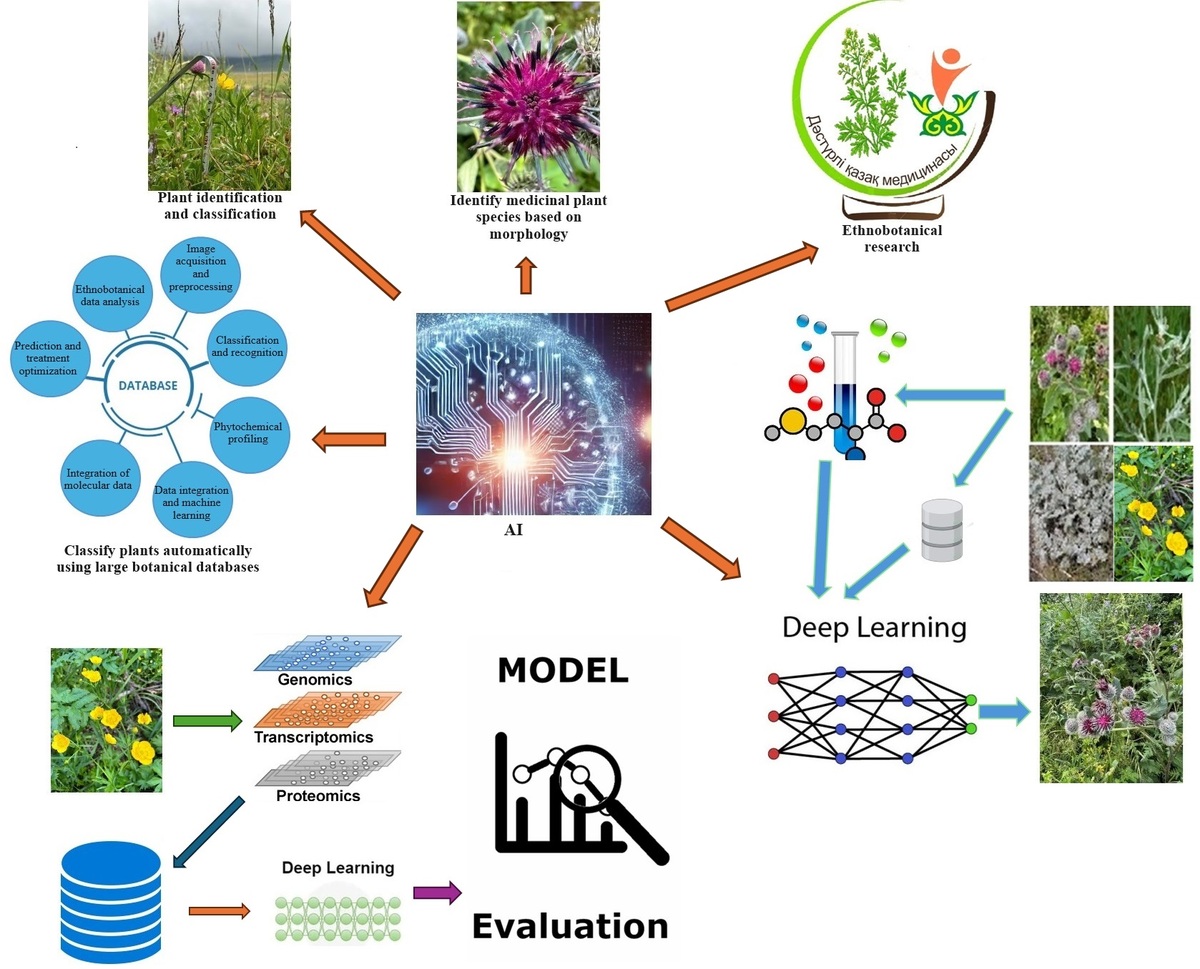
Artificial intelligence is revolutionizing the identification and analysis of bioactive compounds in medicinal plants.
- AI accelerates medicinal plant research
- Machine learning enhances species identification
- Deep learning aids chemical screening
- Natural language processing preserves traditional knowledge
- AI links sustainability with research practices
Why It Matters
By improving research efficiency, AI helps discover and utilize valuable medicinal compounds sustainably.
What to Do Next
Explore AI tools for medicinal plant research in your projects.
Permaculture Context
For those of us working at the intersection of land stewardship and plant medicine, AI-assisted research quietly solves a problem that has frustrated practitioners for decades: the enormous gap between what traditional cultures knew about local plants and what modern research has actually verified. Most permaculture designers work with a relatively narrow palette of well-documented medicinal species precisely because the research pipeline has always favored commercially viable plants over regionally specific ones. If AI tools can now process ethnobotanical literature, cross-reference chemical profiles, and flag understudied native species with genuine therapeutic potential, that dramatically expands the plant vocabulary available to people designing food forests, apothecary gardens, and community herb programs. Practically speaking, this could mean better-informed decisions about which medicinal plants deserve a permanent place in your polyculture guilds, grounded in something more rigorous than folklore alone. It also suggests that the traditional ecological knowledge embedded in oral histories and indigenous practices may finally receive the systematic attention it deserves, not as a curiosity, but as a legitimate and searchable body of evidence.
Recommended for: Researchers and practitioners in medicinal plant studies.
This article focuses on how artificial intelligence is changing medicinal plant research, especially the identification and analysis of bioactive chemicals in plants. It describes how machine learning, deep learning, and natural language processing are being used to accelerate the discovery of medicinal plants, classify compounds, and forecast therapeutic potential. The practical significance is that AI can speed up several bottlenecks that traditionally slow herbal research: species identification, biodiversity assessment, chemical screening, and disease-related prediction. That matters for both drug discovery and more grounded medicinal-plant work because it can help researchers and practitioners better understand which plants are likely to contain useful compounds and how those plants might be used safely and sustainably. The article also highlights the use of AI for ethnobotanical data analysis, which is important because it can help preserve traditional knowledge while supporting more structured research. Compared with general herbal overviews, this source is more technical and method-oriented. It is especially useful if you are interested in the research pipeline rather than consumer-facing herbal advice. The main value lies in its description of methods: AI is not presented as a vague trend but as a set of tools for classification, prediction, and knowledge extraction. For people working in medicinal plant development, pharmacognosy, or herbal product research, the article suggests a concrete direction for improving discovery speed and analytical precision. It also implies that sustainable plant use and preservation of traditional knowledge can be linked to computational approaches, not just laboratory chemistry.
Source: nrfhh.com
Related on PermaNews
- Lo—TEK: Indigenous Tech for Climate Solutions (Article)
- Borneo's Rainforest Revival: Dr. Smits' Sugar Palm Village Hub (Case Study)
- Federal Policy Shift: Native Regenerative Ag for Soil & Carbon (Article)
- Indigenous Placekeeping: Regenerative Design Frameworks (How-To Guide)
- CIT-ED Pioneers Tribal Food Forest for Climate & Food Security (Case Study)
- weADAPT: 100+ Climate Case Studies & Indigenous Practices (Case Study)