2025 Desert Swale Update: Massive Tree Growth with Rainwater!
By GrowTree Organics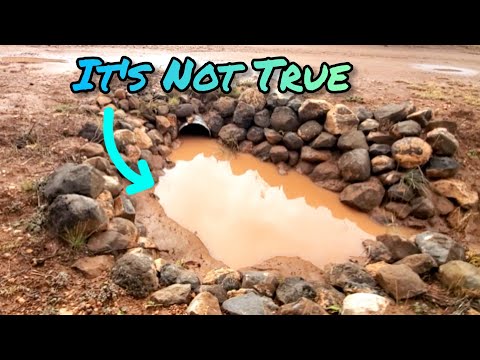
PermaNews Brief
Key Takeaways
Desert permaculture homestead transforms arid land by using swales and strategic planting to capture rainwater, dramatically increasing tree growth and creating a lush ecosystem.
- Swales capture runoff for deep soil infiltration.
- Trees along swales pump water and stabilize soil.
- Pruning junipers reduces water loss, maintains windbreaks.
- Organic matter in swales builds soil and retains moisture.
- Low-tech interventions can reverse desert degradation.
Why It Matters
Implementing small-scale, site-specific water harvesting techniques can lead to significant ecological restoration and sustainable food production in dryland environments, offering a tangible solution to desertification and groundwater depletion.
What to Do Next
Research local regulations for earthworks and water harvesting, then plan a small-scale swale system for your property using contour lines to maximize water capture.
Recommended for: Anyone interested in effective water conservation, desert greening, or resilient food systems in arid environments.
This video documents a remarkable 2025 update on a desert permaculture homestead in the American West, showcasing transformative rainwater harvesting techniques amid ongoing groundwater depletion challenges. The core focus is on desert swales, contour ditches designed to capture and slow runoff from infrequent but intense rains, allowing water to infiltrate deeply into the soil rather than rushing away. These swales have enabled massive tree growth this year, with footage revealing trees that have expanded dramatically in height and canopy since previous updates, turning arid land into a lush, hydrated landscape. The homestead demonstrates practical permaculture principles by integrating swales with pruning strategies for water efficiency—specifically, trimming junipers to reduce transpiration losses while maintaining their role as windbreaks and habitat providers. Organic materials like mulch and compost are added to swale bottoms to enhance water soakage, boost microbial activity, and build soil structure, creating a 'sponge' effect that retains moisture for extended periods during dry spells.
The project counters narratives of inevitable desertification by proving that low-tech, site-specific interventions can reverse degradation. Key insights include the synergy between swales and vegetation: trees planted along swale edges act as living pumps, drawing up water via transpiration and stabilizing soil with roots, which prevents erosion and fosters biodiversity. The video highlights challenges like extreme heat and low rainfall—typical of the region—yet shows yields of fruits, nuts, and forage crops thriving without supplemental irrigation after establishment. Pruning techniques are detailed, emphasizing removal of lower branches on junipers to minimize water use while preserving upper foliage for shade and bird perches. Organic amendments, sourced locally from trimmings and manure, improve infiltration rates, with visuals of water disappearing rapidly into amended swales versus bare soil.
Broader context ties into regional groundwater concerns, where overpumping aquifers threatens long-term viability. This homestead serves as a model for scaling up: swales mimic natural wadi systems, recharging aquifers passively and reducing flood risks downstream. The 2025 growth spurt is attributed to cumulative effects—multi-year swale maturation, microbial buildup, and adaptive planting of drought-tolerant species like mesquite, acacia, and pinyon pine. Maintenance tips include annual mulching and debris clearance to sustain functionality. The narrative challenges defeatist views on desert living, asserting that with observation of local patterns (e.g., runoff from rocky slopes), anyone can 'green the desert.' Comparisons to earlier years show exponential improvements, with tree diameters doubling and understory vegetation exploding. This approach aligns with permaculture ethics of earth care, people care, and fair share, offering replicable strategies for homesteaders facing climate volatility. Detailed shots of tools—shovels, levels for contouring—and plant metrics underscore accessibility, requiring minimal investment beyond labor. Ultimately, the video inspires action, proving rainwater harvesting builds resilience, enhances food security, and restores ecosystems in water-scarce environments.
Source: youtube.com
Related Analysis
- Practitioners Pivot From Water Restriction to Soil-Cycle Design — Early signals suggest regenerative gardeners are shifting from water-restriction rules to system-level design — using so…
- California Homesteaders Retrofit Greywater Before Drought Season — Several sources suggest CA homesteaders are retrofitting greywater systems ahead of drought season, prioritizing water r…
Related on PermaNews
- Ernst Götsch's Cacao Syntropy: Master Agroforestry Now (How-To Guide)
- Finnish Off-Grid: Rocket Mass Heater Performance in Greenhouse (Case Study)
- Berlins schwimmende Gärten: Permakultur auf dem Wasser (Case Study)
- Rodale Report 2025: Thermal Mass Boost in Solar Greenhouses (Case Study)
- AUTarcaMatricultura La Palma: Permakultur & Energieautarkie (How-To Guide)
- Finca Bellavista: Costa Rica's 200-Acre Water System Innovation (Case Study)
Explore more in Water, Climate & Adaptation — the full hub for this knowledge area.