UK Cosmos Seed Sowing: Grow Vibrant Flowers from Scratch
By Seedling Success UK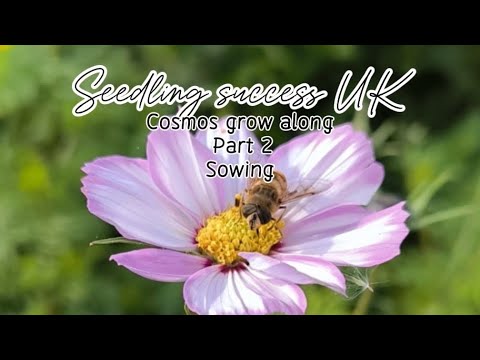
TL;DR: Grow vibrant cosmos flowers from seed in the UK with this comprehensive guide, suitable for all gardening levels.
- Sow indoors late March-mid April for best results.
- Use peat-free compost for healthy seedlings.
- Sow seeds thinly and cover lightly.
- Bottom-water to avoid disturbing seeds.
- Provide ample light post-germination to prevent legginess.
Why it matters: Cultivating cosmos adds vibrant color and biodiversity to your garden, enhancing aesthetic appeal and supporting pollinators through straightforward methods.
Do this next: Prepare your seed trays and peat-free compost for indoor cosmos sowing.
Recommended for: Gardeners in the UK seeking easy-to-grow, beautiful annuals that support local ecosystems.
This guide provides comprehensive instructions for cultivating cosmos from seed, specifically tailored for a UK growing environment. It emphasizes the ease of growing these vibrant flowers, making them suitable for both novice and experienced gardeners.
The optimal time for sowing cosmos seeds indoors in the UK is typically from late March to mid-April. This timing allows the seedlings to establish themselves before the last frost, ensuring they are ready for transplanting outdoors when the weather warms up. For those in milder regions or with protected growing spaces, sowing can begin slightly earlier. Alternatively, direct sowing outdoors is an option after the risk of frost has completely passed, usually from late April to May, though this might result in a slightly later flowering period.
When preparing for indoor sowing, it's recommended to use seed trays or small pots filled with a good quality, peat-free seed compost. This type of compost provides the necessary nutrients and drainage for healthy seedling development. Before sowing, lightly moisten the compost. Cosmos seeds are relatively small, so it's advisable to sow them thinly to prevent overcrowding. A common technique is to sprinkle the seeds evenly over the surface of the compost and then lightly cover them with a thin layer of vermiculite or sieved compost, about 0.5 cm deep. This helps to retain moisture and provides a dark environment for germination.
After sowing, gently water the trays or pots, preferably from the bottom, by placing them in a shallow tray of water until the surface of the compost becomes moist. This method prevents dislodging the seeds. The ideal temperature for cosmos germination is around 18-21°C (65-70°F). Placing the trays in a warm spot, such as on a heated propagator or a sunny windowsill, will encourage germination, which typically occurs within 7-14 days. Once seedlings emerge, it's crucial to provide them with ample light to prevent them from becoming leggy. A bright windowsill or under grow lights are suitable options.
Once the seedlings have developed their first set of true leaves, they are ready for pricking out. This involves carefully transplanting individual seedlings into larger pots, typically 7-9 cm (3-3.5 inches) in diameter. Handle the seedlings by their leaves, not their stems, to avoid damage. Use a general-purpose potting compost for this stage. This process gives each seedling more space to grow and develop a strong root system. After pricking out, water the seedlings thoroughly and continue to provide them with good light.
Before transplanting cosmos seedlings outdoors, it's essential to harden them off. This process gradually acclimatizes them to outdoor conditions, reducing transplant shock. Over a period of 7-10 days, progressively expose the seedlings to increasing periods outdoors, starting with a few hours in a sheltered spot and gradually increasing the duration and exposure to sun and wind. Bring them indoors at night, especially if there's a risk of cold temperatures.
Cosmos are ready for planting out into their final positions in the garden after the last frost has passed, usually from late May to early June in the UK. Choose a sunny location with well-drained soil. Cosmos are not particularly fussy about soil type but thrive in moderately fertile conditions. Space the plants about 30-45 cm (12-18 inches) apart to allow for their mature size and good air circulation, which helps prevent fungal diseases. Dig a hole slightly larger than the root ball, place the plant in, backfill with soil, and water well.
Throughout the growing season, cosmos require minimal care. Regular watering is important, especially during dry spells, but avoid overwatering, as this can lead to root rot. Deadheading, which involves removing spent flowers, is crucial for encouraging continuous blooming throughout the summer and into autumn. This redirects the plant's energy from seed production to producing more flowers. While cosmos don't typically require heavy feeding
Source: youtube.com
Related Analysis
- Farmers Convert Six Weeks of Rhubarb Into 25-Year Supply — Initial signals suggest a rhubarb preservation technique can extend a brief seasonal harvest into 25 years of storage—a …
- Compost Builds Soil Microbiomes—But Human Waste Divides Practitioners — A small but consistent set of signals indicates composting's soil benefits are well-documented, while human-waste compos…
Related on PermaNews
- Sowings in June to keep beds full as early crops finish (Video)
- 9 Productive Vegetables to Sow This June (Pack Your Garden with Food!) (Video)
- Planting Out & Sowing Seeds in the No Dig Market Garden (Video)
- April Permaculture Tour: Interplanting, Early Harvests, No-Dig UK (Video)
- Winter Squash Sowing: UK Gardeners - Part 2 (Video)
- UK Blueberries: Pruning & Feeding for Best Harvest (Video)
Explore more in Food Systems & Growing — the full hub for this knowledge area.