UK Blueberries: Pruning & Feeding for Best Harvest
By Seedling Success UK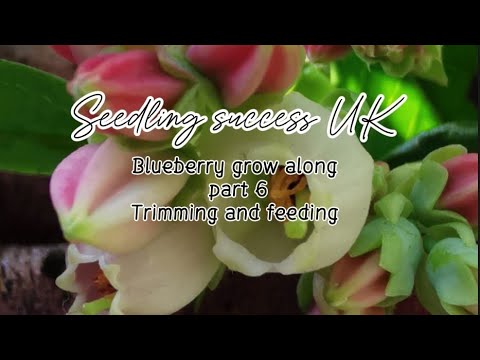
TL;DR: Blueberries thrive in acidic soil and require specific feeding and pruning for successful growth and fruit production.
- Acidic soil (pH 4.5-5.5) is crucial for blueberry growth.
- Container planting with ericaceous compost works for non-acidic soil.
- Consistent, light feeding with ericaceous liquid feed is best.
- Prune in late winter for better yields and plant health.
- Remove old wood and maintain an open structure when pruning.
Why it matters: Understanding blueberry-specific needs ensures a bountiful harvest, even in challenging soil conditions. Proper care prevents common issues and boosts fruit quality.
Do this next: Assess your garden's soil pH or plan for container planting with ericaceous compost.
Recommended for: Gardeners looking to cultivate healthy and productive blueberry bushes through informed soil management, feeding, and pruning practices.
Growing blueberries successfully in the UK involves understanding their specific needs, particularly regarding soil, feeding, and pruning. These plants thrive in acidic conditions, ideally with a pH between 4.5 and 5.5. If your garden soil is not naturally acidic, growing them in containers is a highly recommended approach. For container planting, a compost mix specifically designed for ericaceous plants is essential. This type of compost provides the necessary acidity and nutrient balance.
When it comes to feeding, blueberries are not heavy feeders, but consistent nourishment is important for good fruit production. During the growing season, which typically runs from spring through summer, a liquid feed formulated for ericaceous plants should be applied every two to four weeks. This ensures they receive a steady supply of nutrients without over-fertilizing, which can be detrimental. In late winter or early spring, before new growth begins, a slow-release granular fertilizer designed for acid-loving plants can be incorporated into the soil around the base of the plant or mixed into the top layer of compost in containers. This provides a foundational nutrient boost for the upcoming growing season.
Pruning is a critical aspect of blueberry cultivation, influencing both the quantity and quality of the fruit. The best time to prune blueberries is in late winter or early spring, while the plant is still dormant and before bud break. The primary goals of pruning are to remove old, unproductive wood, encourage new growth, and maintain an open structure for good air circulation and light penetration.
For young blueberry plants, typically in their first two to three years, minimal pruning is required. The focus should be on removing any weak, damaged, or crossing branches. The aim is to establish a strong framework. Once the plant is more mature, usually from its fourth year onwards, a more structured pruning approach is necessary. This involves removing about 20-30% of the oldest, thickest canes each year, cutting them back to the ground level. These older canes tend to produce less fruit and can become less vigorous over time.
In addition to removing old canes, it's important to thin out any weak, spindly, or overcrowded shoots. Any branches that are growing inwards or rubbing against other branches should also be removed to prevent disease and improve air circulation. The overall shape of the bush should be kept open and vase-like, allowing sunlight to reach all parts of the plant, which is crucial for fruit ripening.
Regular pruning not only encourages the plant to produce more fruit on younger, more vigorous wood but also helps to prevent the plant from becoming overgrown and unproductive. It also reduces the risk of fungal diseases by improving air flow through the canopy. After pruning, it's a good practice to apply a fresh layer of mulch, such as pine needles or wood chips, around the base of the plant. This helps to retain moisture, suppress weeds, and slowly acidify the soil as it decomposes.
By consistently addressing these key areas – providing the correct acidic soil conditions, offering appropriate and timely feeding, and implementing a thoughtful pruning strategy – gardeners in the UK can cultivate healthy, productive blueberry bushes that yield an abundance of delicious fruit.
Source: youtube.com
Related Analysis
- Farmers Convert Six Weeks of Rhubarb Into 25-Year Supply — Initial signals suggest a rhubarb preservation technique can extend a brief seasonal harvest into 25 years of storage—a …
- Compost Builds Soil Microbiomes—But Human Waste Divides Practitioners — A small but consistent set of signals indicates composting's soil benefits are well-documented, while human-waste compos…
Related on PermaNews
- Full Garden Tour For May 2026! GROWING 99% Of Our Fresh Food In Containers (Video)
- It's Priceless Eating What You Grow. We Grow Food In Containers On The Rocks All Year Round (Video)
- 🍅 Cómo sembrar tomates en maceta correctamente | Guía básica para balcones y terrazas (Video)
- Sowings in June to keep beds full as early crops finish (Video)
- Plantas que Producen Durante Años en Macetas | Fresa, Arándano, Perejil (Video)
- How To GROW GIANT PINEAPPLES In Containers! Anywhere In The World! Easy And Fast! (Video)
Explore more in Food Systems & Growing — the full hub for this knowledge area.