NZ Solo Van Life: Seafood & Beach Camping Adventure
By Self Sufficient Rhys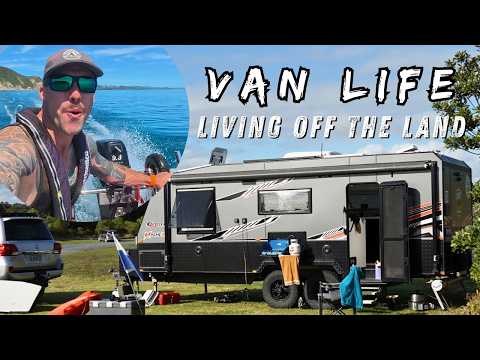
TL;DR: A solo van lifer in New Zealand demonstrates sustainable seafood gathering and self-sufficient beach camping.
- Embrace self-sufficiency in remote natural settings.
- Learn safe and effective seafood foraging techniques.
- Manage resources for extended off-grid living.
- Connect deeply with nature through direct sourcing.
- Adapt to challenges of solo travel and coastal rhythms.
Why it matters: This approach offers a blueprint for sustainable living, blending adventure with responsible resource utilization and a deep connection to the environment.
Do this next: Research local regulations for foraging in coastal areas.
Recommended for: Anyone interested in permaculture, sustainable living, van life, or seafood foraging.
The provided content describes a solo van life experience in New Zealand, focusing on seafood gathering and beach camping during the summer. The individual recounts their journey and activities, highlighting the self-sufficiency aspects of their lifestyle.
The narrative begins with the individual arriving at a beach campsite, emphasizing the appeal of the location for its natural beauty and opportunities for foraging. They detail the process of setting up their van for an extended stay, which involves preparing their living space and ensuring they have the necessary equipment for their planned activities. A significant portion of the experience revolves around obtaining food directly from the ocean. The individual describes their methods for gathering seafood, which includes both diving and shoreline foraging. They mention specific types of marine life they target, such as shellfish and potentially other edible creatures found in the coastal environment. The act of diving is presented as a key skill, requiring knowledge of the local marine ecosystem and safe practices.
The preparation and consumption of the gathered seafood are also central to the story. The individual explains how they process their catch, often cooking it fresh on-site. This aspect underscores the direct connection between their efforts and their meals, a core principle of self-sufficiency. The description often includes details about the flavors and enjoyment derived from eating food sourced directly from nature.
Beyond food acquisition, the experience encompasses the broader aspects of solo van life. This includes managing resources like water and power, maintaining their vehicle, and adapting to the challenges and freedoms of living on the road. The individual touches upon the solitude inherent in solo travel, contrasting it with the rich engagement with the natural world. They describe the daily rhythms of beach camping, which might involve waking up to ocean sounds, spending days exploring or foraging, and evenings under the stars.
The New Zealand summer setting plays a crucial role, providing favorable weather conditions for outdoor activities and making the coastal environment particularly inviting. The narrative often conveys an appreciation for the natural landscapes, from the beaches and ocean to the surrounding flora and fauna. The individual's interactions with the environment are presented as respectful and sustainable, aligning with principles of minimal impact living.
The overall tone suggests a deep satisfaction with this lifestyle. The individual finds fulfillment in their ability to provide for themselves, connect with nature, and experience the freedom of solo travel. The account serves as an illustration of how one can live a self-sufficient life while exploring the natural beauty of New Zealand's coastlines, particularly during the summer months. The emphasis is on practical skills, environmental appreciation, and the personal rewards of a minimalist, nature-focused existence.
Source: youtube.com
Related Analysis
- Farmers Convert Six Weeks of Rhubarb Into 25-Year Supply — Initial signals suggest a rhubarb preservation technique can extend a brief seasonal harvest into 25 years of storage—a …
- Compost Builds Soil Microbiomes—But Human Waste Divides Practitioners — A small but consistent set of signals indicates composting's soil benefits are well-documented, while human-waste compos…
Related on PermaNews
- Purslane Bruschetta: Weed or Wonder Food? Eat Your Weeds! (Video)
- NOT a Dandelion #selfsufficienttanya #foraging #medicinal (Video)
- Foraging Safety: Is It Edible? FAQ Answered (Video)
- NZ Man's Tiny Home Thrives Inside Giant Greenhouse (Video)
- Permakultur Skills (1.08): Gestaltung f. Zonen 4 & 5 (Video)
- NZ Passive Solar: Building Science for Sustainable Design (How-To Guide)
Explore more in Food Systems & Growing — the full hub for this knowledge area.