Purslane Bruschetta: Weed or Wonder Food? Eat Your Weeds!
By Self Sufficient Mama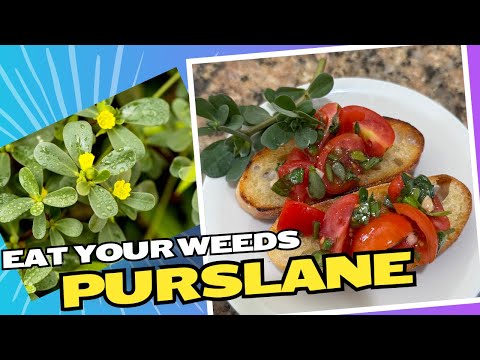
TL;DR: Transform common garden purslane from a weed into a delicious, nutritious culinary ingredient, enriching meals with its unique flavor and health benefits.
- Purslane is a nutritious, edible weed rich in omega-3s, vitamins, and minerals.
- Easily incorporate purslane into your diet with simple recipes like bruschetta.
- Harvest young, tender purslane for optimal flavor and texture.
- Embrace self-sufficiency by utilizing readily available garden resources.
- Purslane thrives in various climates, making it accessible for many.
Why it matters: Utilizing purslane reduces food waste, enhances diet diversity, and promotes sustainable gardening practices by valuing common, resilient plants.
Do this next: Try the Purslane Bruschetta recipe mentioned in the source for a simple, tasty introduction to edible weeds.
Recommended for: Ideal for gardeners, foragers, and home cooks interested in sustainable eating and incorporating wild edibles into their meals.
The article from Self Sufficient Mama introduces purslane, often considered a weed, as a valuable and nutritious plant suitable for culinary use, particularly in a bruschetta recipe. It highlights purslane's widespread presence in gardens and its surprising nutritional profile, which includes high levels of omega-3 fatty acids, vitamins, and minerals. The author suggests that instead of discarding this common garden plant, individuals can incorporate it into their diet, thereby embracing a more self-sufficient and sustainable approach to food.
The article details the characteristics of purslane, describing its succulent leaves and stems, which give it a slightly tart and lemony flavor with a crunchy texture. It notes that purslane thrives in various climates and soil conditions, making it an easily accessible wild edible for many. The author emphasizes the plant's resilience and ability to grow without much intervention, aligning with permaculture principles of utilizing readily available resources.
The featured recipe, Purslane Bruschetta, is presented as a simple yet elegant way to enjoy this often-overlooked plant. The preparation involves toasting bread, typically a baguette or sourdough, and then topping it with a mixture that prominently features fresh purslane. The article suggests combining chopped purslane with other ingredients such as diced tomatoes, garlic, olive oil, and balsamic vinegar. This combination aims to balance purslane's slightly acidic taste with the sweetness of tomatoes and the richness of olive oil, creating a flavorful appetizer or light meal.
The author provides practical advice for harvesting purslane, recommending that it be picked when young and tender for the best flavor and texture. They also touch upon the importance of identifying purslane correctly to avoid confusion with other plants, although they do not delve into specific identification details in this particular piece. The overall tone encourages readers to view "weeds" not as nuisances but as potential food sources, fostering a deeper connection to their garden and the natural world.
Beyond the recipe, the article implicitly promotes the broader concept of foraging and incorporating wild edibles into one's diet. It suggests that by recognizing the value in plants like purslane, individuals can reduce food waste, increase food security, and diversify their nutritional intake. The emphasis on purslane's health benefits, particularly its omega-3 content, positions it as a superfood that is freely available to many gardeners. The article concludes by encouraging readers to experiment with purslane in various dishes, extending beyond bruschetta to salads, stir-fries, and other culinary creations, thereby fully embracing its potential as a versatile and nutritious ingredient. This approach aligns with the permaculture ethos of observing nature and utilizing its abundance for human benefit.
Source: youtube.com
Related Analysis
- Farms Build Resilience, Pivot to Regenerative Soil — New initiatives and analysis explicitly frame regenerative agriculture as a direct solution for climate resilience, focu…
- Federal Policy Pivots, Builds Indigenous Agriculture Frameworks — Federal policy trends are integrating Indigenous knowledge with soil science in regenerative agriculture, shifting polic…
Related on PermaNews
- Autarke Solar-Wind-Systeme: LiFePO4 Batterie-Management-Guide (How-To Guide)
- Holmgren's RetroSuburbia: Permaculture for Resilient Living (Article)
- Full Garden Tour For May 2026! GROWING 99% Of Our Fresh Food In Containers (Video)
- The Chicken Tractor That Does EVERYTHING (Free Plans) (Video)
- Rising Food Prices Makes Growing Your Food More Important Than Ever (Video)
- Family wanted to start over. They helped build opt-in village, applications open (Video)
Explore more in Food Systems & Growing — the full hub for this knowledge area.