Optimal Straw Application Times for Garden & Farm
By The Permaculture Consultant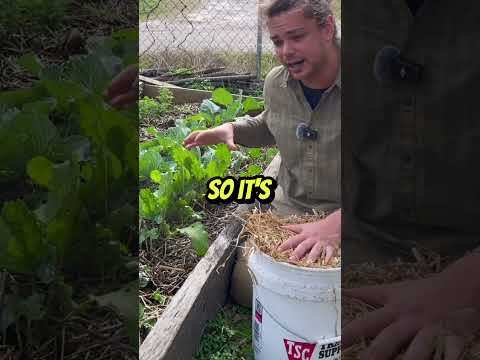
TL;DR: Straw works as an effective, versatile mulch, suppressing weeds, retaining moisture, and regulating soil temperature.
- Straw mulch reduces weed growth and minimizes manual weeding.
- It conserves water by reducing evaporation from the soil.
- Straw insulates soil, protecting roots from temperature extremes.
- Decomposing straw improves soil structure and microbial life.
Why it matters: Using straw mulch can significantly reduce maintenance efforts in gardening while improving plant health and soil quality.
Do this next: Consider applying straw mulch to your garden beds to experience these benefits.
Recommended for: Gardeners and farmers seeking sustainable and efficient ways to improve soil health and reduce garden maintenance.
Straw, a versatile agricultural byproduct, offers numerous benefits in gardening and farming applications, primarily serving as an effective mulch. Its utility extends across various stages of plant growth and different environmental conditions.
One of the primary advantages of using straw as mulch is its ability to suppress weed growth. By creating a physical barrier, straw blocks sunlight from reaching weed seeds, significantly reducing their germination and establishment. This minimizes the need for manual weeding or chemical herbicides, saving time and effort for gardeners and farmers.
Beyond weed control, straw plays a crucial role in moisture retention. When spread over the soil surface, it acts as an insulating layer, reducing evaporation caused by sun and wind. This is particularly beneficial in dry climates or during periods of drought, as it helps maintain consistent soil moisture levels, reducing the frequency of watering and conserving water resources. The consistent moisture also benefits plant roots, preventing stress from fluctuating hydration.
Temperature regulation is another key benefit of straw mulch. In hot weather, the straw layer helps to keep the soil cooler by reflecting sunlight and providing insulation. Conversely, in colder temperatures, it can help to insulate the soil, protecting plant roots from extreme cold and frost damage. This thermal buffering effect creates a more stable and favorable environment for plant growth throughout the year.
Straw also contributes to soil health and structure. As it slowly decomposes, it adds organic matter to the soil. This organic matter improves soil aggregation, enhancing its ability to hold water and nutrients, and promoting better aeration. Improved soil structure facilitates root penetration and overall plant vigor. Furthermore, the decomposition process encourages beneficial microbial activity, enriching the soil ecosystem.
When considering the application of straw, it's important to differentiate it from hay. While both are dried plant materials, hay typically contains seeds, which can introduce unwanted weeds into the garden. Straw, on the other hand, is primarily composed of the stalks of grain plants after the seeds have been harvested, making it a cleaner option for mulching.
The timing and method of straw application are also important. It can be applied around established plants, in garden beds, or even in pathways. A layer of several inches is generally recommended for effective weed suppression and moisture retention. However, care should be taken not to apply it too thickly directly around young seedlings, as it could potentially smother them or create an environment conducive to pests if not managed properly.
In summary, straw is a valuable resource for sustainable gardening and farming practices. Its multifaceted benefits, including weed suppression, moisture retention, temperature regulation, and soil improvement, make it an excellent choice for those looking to enhance plant health, conserve resources, and promote a thriving garden ecosystem. Its natural decomposition also ensures that it contributes positively to the long-term fertility and structure of the soil.
Source: youtube.com
Related Analysis
- Farms Build Resilience, Pivot to Regenerative Soil — New initiatives and analysis explicitly frame regenerative agriculture as a direct solution for climate resilience, focu…
- Federal Policy Pivots, Builds Indigenous Agriculture Frameworks — Federal policy trends are integrating Indigenous knowledge with soil science in regenerative agriculture, shifting polic…
Related on PermaNews
- Bauhaus Earth S2: Bio-Based Buildings & Materials Deep Dive (How-To Guide)
- So wirst du Unkraut im Garten los - 9 bewährte Tipps ohne Chemie! (Video)
- LfL Jahresbericht 2023: Mulchsaat & Moorland-Management in Bayern (How-To Guide)
- Easy Weed Control: Soil Damage Proof & Better Methods (Video)
- 12+ Hugelkultur Mulches: A Comprehensive Review (Video)
- Growers Daily 368: Mulch Mastery for Weed Control & Soil Health (Podcast)
Explore more in Food Systems & Growing — the full hub for this knowledge area.