Green/Wet Wood Heating: Home Efficiency & Challenges
By paul wheaton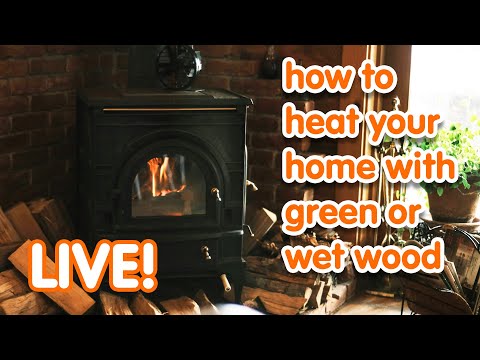
TL;DR: Burning unseasoned wood for heat is inefficient, creates more pollution, and increases fire risk compared to using dry, seasoned wood.
- Wet wood reduces heat output significantly.
- Incomplete combustion creates more creosote.
- Creosote buildup raises chimney fire risk.
- Burning wet wood increases air pollution.
- More fuel is needed to achieve warmth.
Why it matters: Understanding the properties of different wood fuels is crucial for efficient, safe, and environmentally responsible home heating, impacting both your wallet and air quality.
Do this next: Prioritize using seasoned wood for your stove to maximize efficiency and safety.
Recommended for: Homeowners, off-gridders, and anyone considering wood as a primary or secondary heating source.
Heating a home with green or wet wood presents unique challenges and opportunities, primarily due to the high moisture content inherent in such fuel. Unlike seasoned wood, which has been dried for an extended period, green wood contains a significant amount of water, often exceeding 50% of its total weight. This moisture directly impacts the combustion process, the efficiency of the heating system, and the overall environmental footprint.
One of the primary considerations when burning green or wet wood is the reduced heat output. A substantial portion of the energy released during combustion is consumed in evaporating the water within the wood before the actual wood fibers can ignite and burn efficiently. This process lowers the net heat delivered to the living space, meaning more fuel is required to achieve the same level of warmth compared to burning dry wood. Furthermore, the lower combustion temperatures associated with wet wood can lead to incomplete burning, resulting in the production of more smoke and creosote.
Creosote, a tar-like substance, is a significant concern when burning wet wood. It forms when unburnt gases and particulate matter condense on cooler surfaces, such as the inside of a chimney or flue pipe. This buildup is highly flammable and can lead to dangerous chimney fires if not regularly cleaned. The increased creosote production from burning wet wood necessitates more frequent chimney inspections and cleanings, adding to the maintenance burden and potential safety risks.
Beyond creosote, burning wet wood also contributes to increased air pollution. The incomplete combustion releases a higher concentration of particulate matter, volatile organic compounds (VOCs), and other harmful pollutants into the atmosphere. This can negatively impact local air quality and contribute to respiratory problems for individuals living nearby. From an environmental perspective, while wood is a renewable resource, inefficient burning practices diminish its sustainability benefits.
Despite these drawbacks, there are situations where burning green or wet wood might be considered, particularly in emergency scenarios or if no other fuel source is readily available. In such cases, specific techniques can help mitigate some of the negative effects. One strategy involves combining wet wood with a small amount of very dry, seasoned wood or other highly combustible materials to help initiate and sustain the burn. The dry fuel can provide the initial high temperatures needed to start evaporating the moisture from the wet wood.
Another technique is to allow the wet wood to dry out as much as possible before burning, even if it's only for a short period. Storing it in a sheltered, well-ventilated area can help reduce its moisture content. When loading a stove or fireplace with wet wood, it's often recommended to use smaller pieces to increase the surface area exposed to heat, facilitating faster drying and more complete combustion. Maintaining a hot firebox temperature is also crucial; a hotter fire can more effectively drive off moisture and burn the wood more completely. This might involve ensuring adequate airflow and avoiding overpacking the firebox, which can stifle the flames.
Ultimately, while it is technically possible to burn green or wet wood, it is generally not recommended as a primary heating strategy due to its inefficiency, increased maintenance requirements, and environmental impact. The ideal practice for wood heating remains using well-seasoned wood with a moisture content below 20%, which ensures optimal heat output, minimizes creosote buildup, and reduces air pollution.
Source: youtube.com
Related Analysis
- Homeowners Retrofit Properties with Renewable Energy Solutions — Renewable energy retrofitting gains traction as regenerative agriculture principles inform home upgrades. Experts point …
- New Practices Build Climate-Resilient Cob Homes — Cob construction emerges as a key strategy in enhancing resilience against ecological challenges in permaculture systems…
Related on PermaNews
- Extreme Cold Home Heating: Minus 100°F Survival Guide, Pt. 1 (How-To Guide)
- Extreme Cold: Heating Your Home at -100°F During a Storm (Video)
- Slash Winter Bills: Save $1000 & Boost Comfort Now! (Video)
- 8-Minute Guide: 12 Rocket Mass Heater Builds & Designs (Video)
- DIY Rocket Mass Heater: $0 Build, Thousands Saved! (Video)
- Pebble Rocket Mass Heater: 3D Plans for Off-Grid Heat (How-To Guide)
Explore more in Shelter, Energy & Infrastructure — the full hub for this knowledge area.