Homestead Blessings: Our Beautiful Mini Herd Thrives
By Self Sufficient Homesteading & Gardening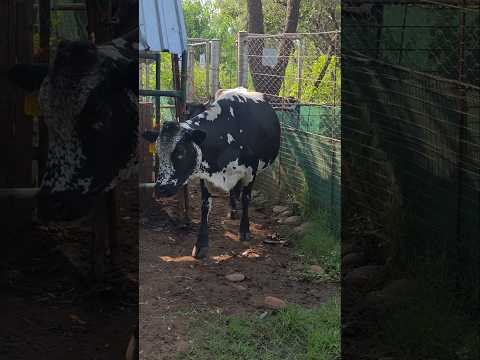
TL;DR: Integrating a small, diverse livestock herd contributes significantly to homesteading self-sufficiency and overall well-being.
- Livestock provides diverse food resources like milk, eggs, and meat.
- Animals contribute to a balanced and healthy homestead ecosystem.
- Raising livestock offers educational benefits for the whole family.
- A small herd fosters deeper connection to food production and nature.
Why it matters: A small herd can greatly enhance food independence and ecological balance on a homestead, enriching the daily lives of those who care for them.
Do this next: Consider starting with a small, manageable herd that fits your space and resources.
Recommended for: Anyone interested in diversifying their homestead production and deepening their connection to sustainable food systems.
The article from "Self Sufficient Homesteading & Gardening" discusses the benefits and practicalities of raising a small herd of livestock, emphasizing the positive impact it has had on the author's homesteading journey. The author expresses a deep appreciation for their animals, highlighting the joy and fulfillment derived from their presence and the contributions they make to a self-sufficient lifestyle.
The narrative begins by establishing the emotional connection the author has with their livestock, referring to them as a "beautiful little herd" and using the term "blessings" to convey the positive sentiment. This sets a tone of gratitude and highlights the intrinsic value the animals bring beyond their practical uses. The article then delves into the specific advantages of integrating livestock into a homesteading operation.
One of the primary benefits discussed is the provision of food resources. The author details how the animals contribute to a more sustainable and independent food supply, mentioning products like milk, eggs, and meat. This reduces reliance on external food systems and offers a greater degree of control over the quality and origin of what is consumed. The article implicitly suggests that this direct connection to food production fosters a deeper understanding and appreciation for the food chain.
Beyond food, the article touches upon the ecological benefits of livestock. While not explicitly detailing complex ecological processes, it alludes to how animals can play a role in maintaining the health and fertility of the land. This could include aspects like natural fertilization through manure, pest control, or even land management through grazing, though these are not elaborated upon in great detail. The general implication is that the animals are an integral part of a balanced homestead ecosystem.
The author also emphasizes the educational aspect of raising livestock, particularly for families. It provides opportunities for learning about animal husbandry, life cycles, and responsible care. This hands-on experience is presented as invaluable for developing practical skills and fostering a connection with nature. The daily routines associated with animal care are portrayed as grounding and rewarding, contributing to a sense of purpose and routine on the homestead.
Furthermore, the article subtly conveys the economic advantages of having a small herd. By producing their own food and potentially other animal products, homesteaders can reduce their grocery expenses. While not framed as a profit-making venture, the self-sufficiency aspect inherently leads to cost savings and a more resilient household economy.
The article also addresses the commitment and responsibility involved in animal care. While the tone is overwhelmingly positive, there's an underlying acknowledgment of the work and dedication required. This includes daily feeding, watering, shelter maintenance, and health monitoring. However, the author frames these responsibilities as worthwhile and ultimately fulfilling, reinforcing the idea that the rewards outweigh the effort.
In essence, the article from "Self Sufficient Homesteading & Gardening" serves as an endorsement for incorporating a small herd into a self-sufficient lifestyle. It highlights the multifaceted benefits, ranging from food security and ecological contributions to educational opportunities and emotional well-being. The author's personal experience underscores the deep satisfaction and sense of blessing that comes from living closely with and caring for animals on a homestead.
Source: youtube.com
Related Analysis
- Farmers Convert Six Weeks of Rhubarb Into 25-Year Supply — Initial signals suggest a rhubarb preservation technique can extend a brief seasonal harvest into 25 years of storage—a …
- Compost Builds Soil Microbiomes—But Human Waste Divides Practitioners — A small but consistent set of signals indicates composting's soil benefits are well-documented, while human-waste compos…
Related on PermaNews
- Ernst Götsch's Cacao Syntropy: Master Agroforestry Now (How-To Guide)
- Finnish Off-Grid: Rocket Mass Heater Performance in Greenhouse (Case Study)
- Berlins schwimmende Gärten: Permakultur auf dem Wasser (Case Study)
- Rodale Report 2025: Thermal Mass Boost in Solar Greenhouses (Case Study)
- AUTarcaMatricultura La Palma: Permakultur & Energieautarkie (How-To Guide)
- Earthaven Ecovillage: 30 Years Off-Grid with Hydro & Solar (Video)
Explore more in Food Systems & Growing — the full hub for this knowledge area.