Connecting Communities Through Urban Farming – Towards Resiliency
PermaNews Brief
Key Takeaways
Urban farming fosters community resilience through food education and ecological benefits.
- Enhances community bonds and social cohesion
- Provides nutritional education and local food access
- Offers environmental benefits like lower runoff
- Contributes to economic growth and health
- Supports biodiversity and local ecology
Why It Matters
This approach positions urban farming as a civic asset, improving community resilience while fostering ecological health.
What to Do Next
Explore local urban farming initiatives and consider joining or supporting them.
Permaculture Context
For permaculture practitioners, the framing of urban agriculture as civic infrastructure rather than hobby gardening is a meaningful shift worth paying attention to. When a community garden gets positioned alongside stormwater systems and air quality improvements in policy conversations, it becomes harder to dismiss and easier to fund, protect, and scale. This matters practically for anyone building resilience at the neighborhood level: the language you use to advocate for a food forest or school garden can determine whether it survives the next budget cycle or zoning dispute. Regenerative practitioners often design brilliant systems that remain isolated because they lack a compelling civic narrative. This research hands you one. Beyond advocacy, the ecological connectivity argument is significant — urban growing spaces that support biodiversity are not just productive; they function as nodes in a larger living network, extending the reach of regenerative principles into densely populated landscapes where they are most urgently needed. If you are working at the intersection of food, community, and land, this framing gives your work institutional legitimacy without requiring you to compromise its depth.
Recommended for: Individuals interested in community development and sustainability.
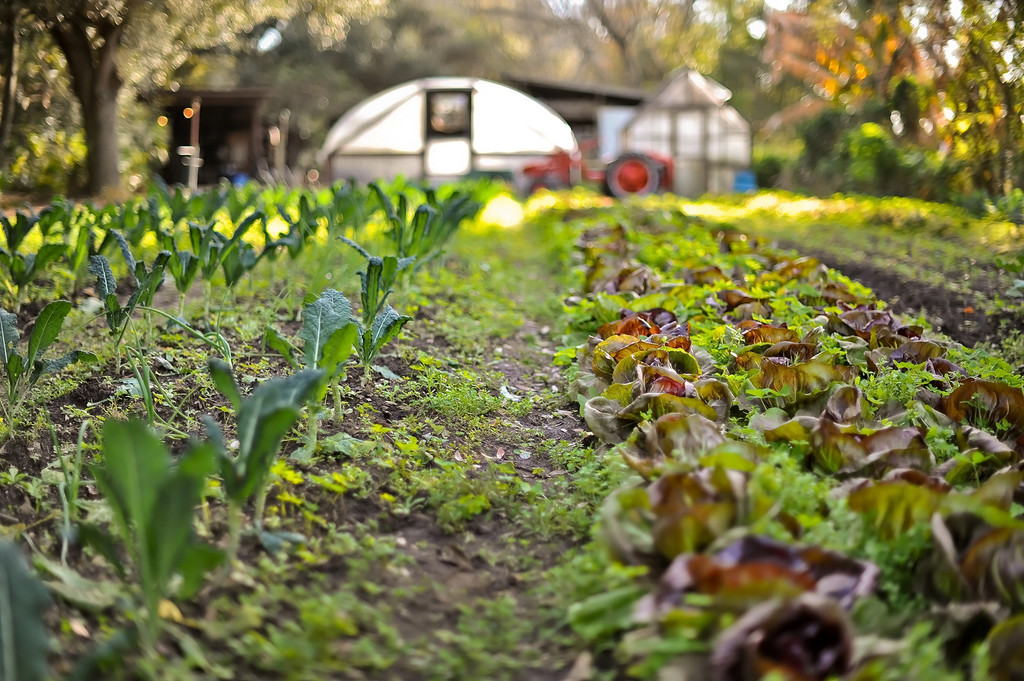
This article presents urban farming as a multifunctional community resilience strategy rather than simply a method of food production. It describes how urban farms and community gardens can teach children, teens, and adults where food comes from, while also supporting nutrition education, local farmers markets, and neighborhood-based food access. The piece is useful because it connects practice to outcomes: it explains that urban agriculture can strengthen community bonds, create recreational and therapeutic opportunities, and contribute to economic growth and health. It also outlines several environmental and infrastructure benefits that practitioners can use when advocating for projects. These include reducing food transportation costs, lowering stormwater runoff, improving infiltration by replacing impervious surfaces, supporting composting and waste reduction, and improving air and soil quality. The article further argues that urban agriculture creates habitat and strengthens local ecology, showing that community gardens can serve biodiversity as well as people. For implementation-minded readers, the article offers a broad but concrete framework for positioning urban farms as civic assets. It is especially relevant for organizers working on neighborhood resilience, school gardens, food-system education, or green-infrastructure projects that need a clear narrative about multiple benefits. While it is not a step-by-step guide, it provides practical language and a clear set of use cases that can help justify community gardening and urban farming in planning, education, and public-health contexts. The article’s strength is its emphasis on resilience through community building, ecological function, and local food access working together.
Source: iqc.ou.edu
Related Analysis
- Compost Researchers Pivot From Soil Mass to Microbial Precision — Several sources suggest compost is being repositioned from a soil amendment to a targeted microbial intervention — with …
- Regenerative Farmers Push Soil Biology Metrics Beyond Yield Data — Several sources suggest regenerative practitioners are moving toward microbial soil metrics as practical management tool…
Related on PermaNews
- Berlins schwimmende Gärten: Permakultur auf dem Wasser (Case Study)
- Soil Strategies for Transitioning to Small Scale Organic Regenerative Ag (Event)
- Transatlantic Lessons from Community Gardens and Farms (Video)
- We Grow Urban Farm: Regenerative Urban Agriculture Case Study (Video)
- Regeneratives Stadtgärtnern: Ökosysteme heilen & neu beleben (How-To Guide)
- Global Urban Food Forests: Cultivating Green Oases & Community (Article)
Explore more in Food Systems & Growing — the full hub for this knowledge area.