Container Native Plants: Small Spaces, Big Impact
PermaNews Brief
Key Takeaways
Cultivate native plants in containers to bring permaculture to urban spaces, optimizing growth and managing conditions effectively.
- Container-grown natives suit limited spaces like balconies and patios.
- Tailor soil and drainage for specific native plant needs.
- Move potted plants for optimal sun, wind, and weather protection.
- Select appropriate container sizes for mature plant growth.
- Diverse edible native plants thrive in containers for urban food production.
Why It Matters
Growing native plants in containers offers a flexible way to boost urban biodiversity and food security, making permaculture accessible to more people.
What to Do Next
Research native plant species suitable for container growing in your local area.
Recommended for: Urban dwellers, renters, or those with small spaces looking to grow native plants and promote biodiversity.
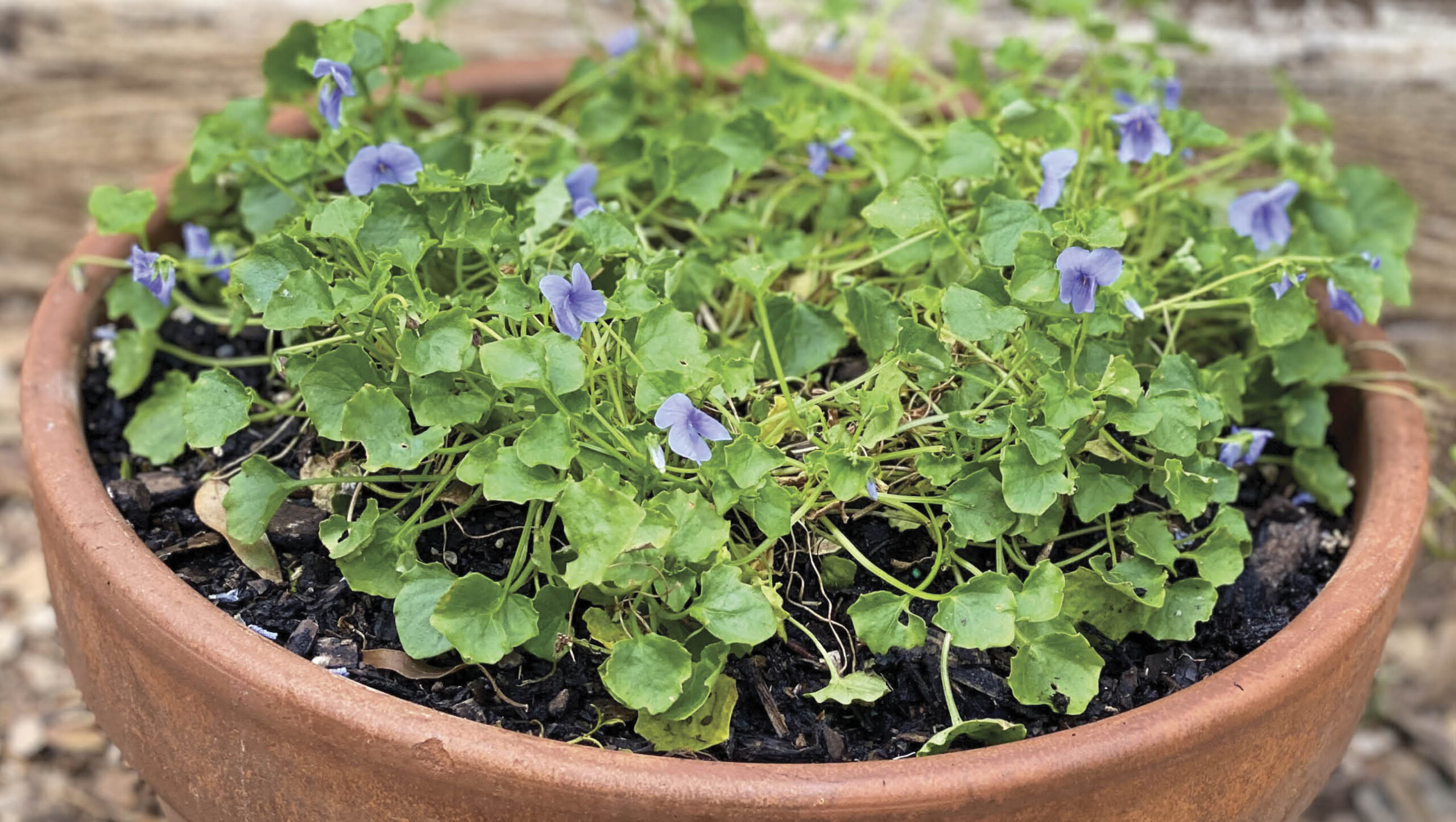
Growing native plants in containers offers a practical and rewarding solution for individuals with limited outdoor space, such as small gardens, patios, or balconies. This method allows for the cultivation of a diverse range of edible native species, bringing the benefits of permaculture and sustainable food production to urban environments.
One significant advantage of container gardening for native plants is the ability to control growing conditions more precisely. Soil composition can be tailored to the specific needs of each plant, which is particularly beneficial for native species that may have unique soil pH or nutrient requirements. Furthermore, drainage can be optimized, preventing waterlogging that can be detrimental to many native plants. The mobility of potted plants also allows growers to adjust their exposure to sunlight and wind throughout the day or across seasons, ensuring optimal growth and protection from harsh weather.
Choosing the right container is crucial for the success of potted native plants. The size of the pot should be appropriate for the mature size of the plant, allowing ample room for root development. Larger pots generally provide more stable growing conditions, reducing the frequency of watering and nutrient depletion. Materials like terracotta, plastic, or glazed ceramic each have their own advantages and disadvantages regarding weight, water retention, and durability. Regardless of the material, adequate drainage holes are essential to prevent root rot.
The selection of native plant species suitable for container growing is vast. Many smaller, shrub-like natives, groundcovers, and even some compact tree varieties can thrive in pots. When selecting plants, it's important to consider their mature size, growth habit, and environmental preferences. For edible natives, factors like yield, taste, and culinary uses also come into play. Examples of edible native plants that often perform well in containers include various bush foods, herbs, and some fruiting plants. Researching the specific needs of each chosen species is vital for successful cultivation.
Proper potting mix is another critical element. A high-quality potting mix designed for native plants or a custom blend that mimics their natural soil environment is recommended. This typically involves a well-draining, aerated mix that may include components like sand, perlite, and compost. Avoiding heavy garden soil, which can compact and impede drainage in containers, is generally advised. Regular fertilization, using organic fertilizers tailored for native plants, can help replenish nutrients that are leached out of the soil through watering.
Ongoing care for potted native plants includes consistent watering, especially during dry periods, as containers tend to dry out more quickly than garden beds. Monitoring for pests and diseases is also important, and addressing any issues promptly with organic solutions can help maintain plant health. Pruning can be used to maintain plant shape, encourage bushier growth, and improve air circulation, which can reduce the risk of fungal diseases. Repotting may be necessary every few years as plants grow and become root-bound, or when the potting mix degrades.
In summary, cultivating edible native plants in containers offers a flexible and sustainable approach to gardening, particularly for those with limited space. By carefully selecting plants and containers, preparing appropriate potting mixes, and providing consistent care, individuals can successfully grow a variety of native species, contributing to biodiversity and enjoying fresh, locally grown food from their own small-scale permaculture systems. This method not only enhances urban green spaces but also connects people with their local ecology and promotes a deeper understanding of native flora.
Source: organicgardener.com.au
Related Analysis
- Regenerative Farmers Flip Cover Crop Logic From Compliance to Profit — Practitioner accounts and a new meta-analysis suggest cover cropping is being reframed from conservation practice to pro…
- Farmers Convert Six Weeks of Rhubarb Into 25-Year Supply — Initial signals suggest a rhubarb preservation technique can extend a brief seasonal harvest into 25 years of storage—a …
Related on PermaNews
- Rodale Institute's 50-Year Regenerative Organic Journey (Article)
- Rodale FST: 40+ Years of Organic vs. Conventional Farming (Case Study)
- Seed Saving: A Revolutionary Act for Biodiversity & Food (Article)
- Regenerative Crops: Avocados, Citrus, Strawberries Summit (Event)
- La Junquera's Keyline Design: Water Retention & Climate Resilience (Video)
- Global Summit: Organic Farming & Resilient Agriculture (Event)
Explore more in Food Systems & Growing — the full hub for this knowledge area.