Create a Self-Powered Homestead with Integrated Clean Energy Systems
By 5th World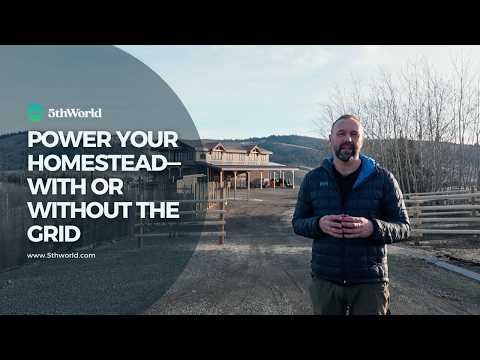
PermaNews Brief
Key Takeaways
Explore diverse clean energy systems for a resilient, self-powering home.
- Combine multiple energy sources effectively
- Emphasize storage and backup systems
- Conduct load analysis for efficiency
- Plan for seasonal energy variability
- Achieve self-sufficiency through layered resources
Why It Matters
Designing a self-sustaining energy system enhances resilience against outages and environmental variability.
What to Do Next
Watch the video to gain insights on energy system integration.
Permaculture Context
For permaculture designers, the real significance of multi-source energy integration is not technical — it is philosophical. A homestead powered by a single input, whether grid electricity or even a standalone solar array, carries the same fragility as a monoculture crop. Redundancy, stacking, and edge relationships are foundational permaculture principles precisely because nature does not rely on one pathway to meet any critical need. Translating that logic into energy design means treating your power system the way you treat your food system: layered, locally calibrated, and capable of graceful degradation when one element underperforms. Practically, this matters most during seasonal transitions, when solar yield drops and heating or preservation loads climb simultaneously. Practitioners who have already mapped their site for water, sun, and wind as part of a design process are halfway to a rigorous energy assessment — the data is often already there. The missing step for most is connecting that site intelligence to load prioritization before purchasing any hardware. Get that sequencing right, and energy self-sufficiency becomes an extension of good design rather than an expensive retrofit.
Recommended for: Individuals interested in sustainable living and energy independence.
This video focuses on how to combine clean energy systems into a self-powering homestead, with relevance to both off-grid and grid-tied resilience planning. Its main value is in showing that a household can be designed around multiple energy inputs rather than a single utility dependency. That makes it useful for people interested in regenerative living, emergency preparedness, or phased transitions from grid dependence to energy self-sufficiency.
Although the search snippet does not provide the full technical breakdown, the title indicates a systems-level approach. That suggests the content likely compares how solar, storage, and possibly other generation methods can work together to provide steady home power. For practitioners, this matters because the most robust homestead energy systems usually integrate production, storage, and backup rather than optimizing only one piece of the setup. Even a modest system can be highly effective if loads are managed carefully and the generation mix matches local conditions.
The broader utility of a video like this is educational sequencing. Many off-grid newcomers begin with equipment shopping, but effective homestead power design usually starts with load analysis, then resource assessment, then component selection. A guide that frames the problem around system integration can help viewers avoid oversized or mismatched installs. It can also clarify how to balance everyday loads such as lighting, refrigeration, internet, water pumping, and device charging with seasonal variability and backup contingencies.
For resilience-oriented readers, the most important takeaway is likely the design principle of self-powering through layered resources. That usually means using solar as the main source, batteries for storage, and an additional fallback such as a generator or another renewable source. This approach reduces vulnerability to weather, equipment downtime, and supply interruptions. It is especially relevant where the goal is not full isolation from infrastructure, but a practical homestead that can function independently during outages or in remote settings.
Source: youtube.com
Related Analysis
- Heat Pump vs Wood Heat: Real Install and Running Costs for Rural Homes — For a rural or off-grid cabin in the US, a single-zone cold-climate air-source heat pump (mini-split) costs $3,500–$7,00…
- Community Microgrid Cost Per Household: $8,000–$18,000, Payback 7–14 Years — A hybrid solar-plus-storage community microgrid serving 8–20 households in the US costs roughly $8,000–$18,000 per house…
Related on PermaNews
- Borneo's Rainforest Revival: Dr. Smits' Sugar Palm Village Hub (Case Study)
- Holmgren's 40 Yrs: Abundant Permaculture Design Webinar 3 (Video)
- Nut and Fruit Tree Culture: NYNGA English Walnut Tour (Event)
- Reviving Heritage Cereals: Triple Yields with Agroecological Methods (Video)
- E62: Homesteader AJ Richards Talks Ag Policy with USDA Secretary (Podcast)
- Homesteader AJ Richards Shares Insights from Ag Secretary Meeting (Podcast)
Explore more in Shelter, Energy & Infrastructure — the full hub for this knowledge area.