Donna Horn Putney: Tinctures & Glycerites, Feb 28, 2026
By Donna Horn Putney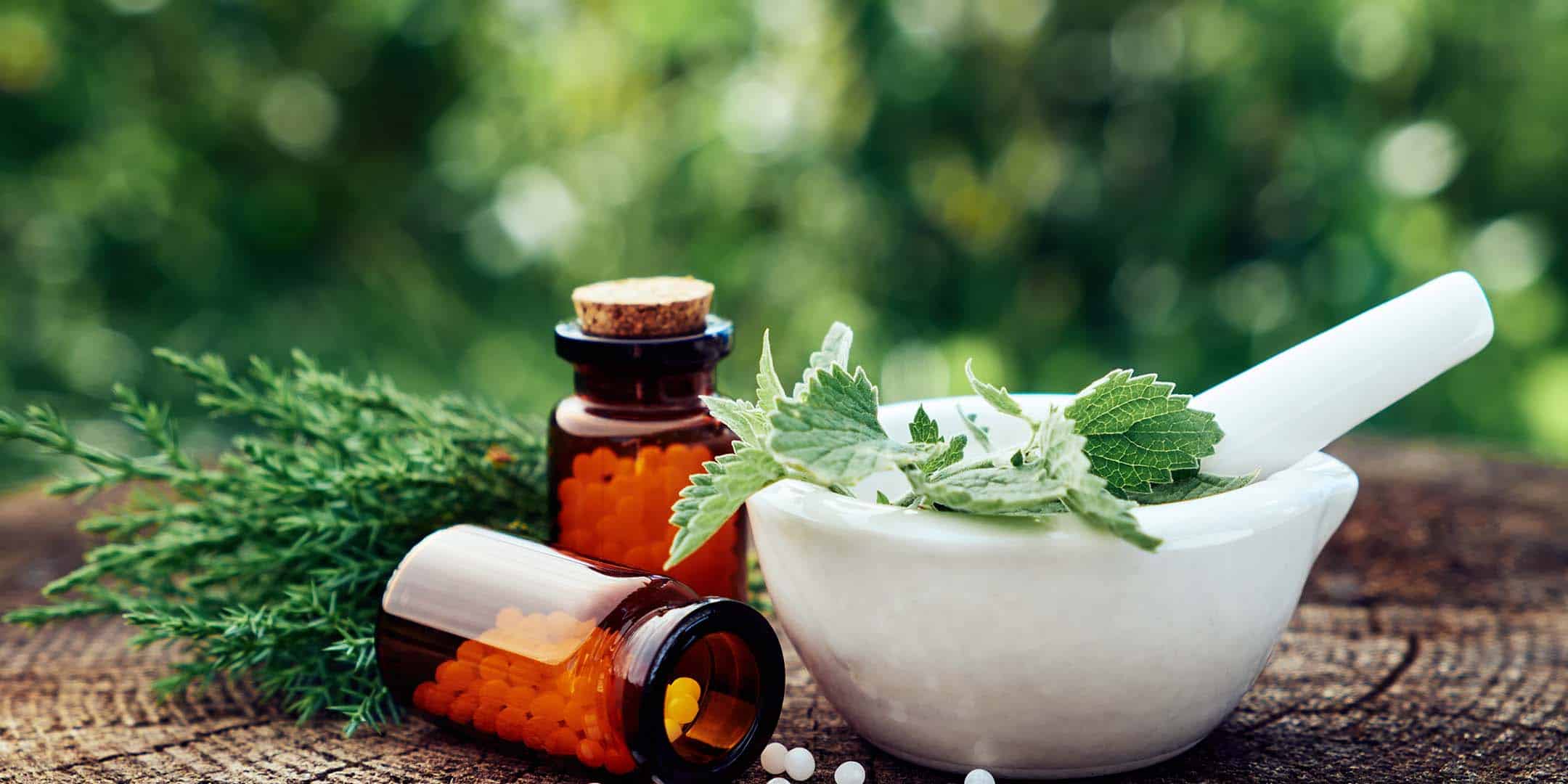
TL;DR: Learn to create herbal tinctures and glycerites from foraged plants like Perilla and Bee Balm in a hands-on workshop.
- Master folk maceration and percolation techniques.
- Identify and safely harvest medicinal herbs.
- Understand dosing, shelf-life, and integration.
- Learn about Perilla and Bee Balm benefits.
- Connect permaculture to medicinal plant use.
Why it matters: Acquiring skills in herbal medicine making fosters self-reliance and provides natural health solutions, directly supporting a resilient lifestyle.
Do this next: Research local foraging guidelines and identify common medicinal plants in your area.
Recommended for: Those interested in learning practical herbal medicine-making skills using foraged plants, with a focus on self-reliance and permaculture principles.
Building on her renowned series, Donna Horn Putney hosts another hands-on 'Plant Medicine 102a' class on February 28, 2026, at Hagood Mill, focusing on tinctures and glycerites from foraged Perilla and Bee Balm. As 'Donna Mother Herb,' Putney draws from 20+ years managing Putney Farm—a permaculture food forest, poultry operation, nursery, and herbal haven co-created with husband Lenard in Upstate. The 10:00 AM–2:00 PM workshop (with lunch break) splits into foraging/identification (10-12 PM) and remedy-making (12:30-2 PM). Antimicrobial Perilla (antioxidant, rosmarinic acid-rich) and Bee Balm (thyme-like monarda, for colds/digestion) are spotlighted, with traditional uses, modern research, and safe harvesting discussed. Techniques: folk method maceration, percolation for efficiency; glycerin for sweet, non-alcoholic extracts. Participants craft, label, and take home products, learning shelf-life (2+ years), dosing (drops in water), and integrations (teas, salves). Putney's nursing background ensures protocols for allergies, pregnancies. Her local food advocacy via Upstate Locally Grown underscores sustainability. Classes vary by season/plants, keeping fresh. Q&A covers home distillation, sourcing. Permaculture tie-in: farm's biodiversity yields medicinals amid edibles, modeling resilience. Compared to January session, February emphasizes late-winter plants. Attendees gain apothecary basics, inspired for gardens. Safety: positive ID, quality alcohol (80-100 proof). Farm details: multilayered perennials, poultry manure compost, no sprays. Putney's online/Facebook presence extends learning. This event complements her ointments/Native American classes. In self-reliance era, empowers natural health. Detailed: 1:5 ratio, shake daily, dark storage. Cultural notes: Bee Balm in Osage remedies. Small groups ensure mastery. Post-event feedback highlights confidence boosts. Putney's holistic naturopathy blends science/folk. Hagood Mill venue adds heritage. Upcoming in 2026, perfect for spring prep.
Source: visithagoodmill.com
Related Analysis
- Farmers Convert Six Weeks of Rhubarb Into 25-Year Supply — Initial signals suggest a rhubarb preservation technique can extend a brief seasonal harvest into 25 years of storage—a …
- Compost Builds Soil Microbiomes—But Human Waste Divides Practitioners — A small but consistent set of signals indicates composting's soil benefits are well-documented, while human-waste compos…
Related on PermaNews
- Natural Healing Herbs You Need To Know! Harvesting My Own Medicine (Video)
- 3000-Year-Old Joint Herb Banned: The Untold Story (Video)
- Purslane Bruschetta: Weed or Wonder Food? Eat Your Weeds! (Video)
- NOT a Dandelion #selfsufficienttanya #foraging #medicinal (Video)
- Foraging Safety: Is It Edible? FAQ Answered (Video)
- Permakultur Skills (1.08): Gestaltung f. Zonen 4 & 5 (Video)
Explore more in Food Systems & Growing — the full hub for this knowledge area.