UConn's $500K Initiative Aims for Climate-Resilient Coasts
PermaNews Brief
Key Takeaways
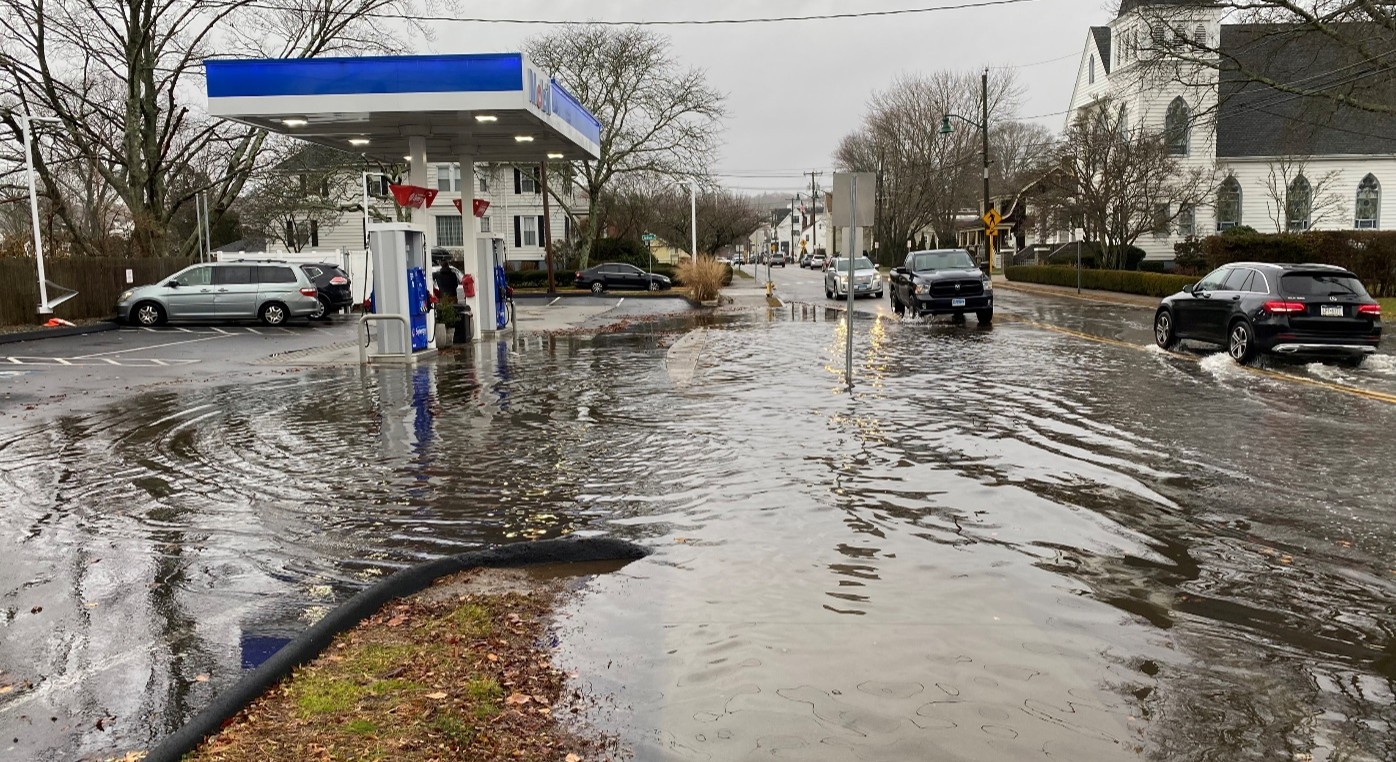
A new initiative helps coastal communities address climate challenges through practical strategies and expert collaboration.
- $500,000 initiative supports resilience planning
- Focus on rising sea levels and storms
- Collaboration enhances climate adaptation efforts
- Technical assistance is vital for local strategies
- Competition fosters innovative climate solutions
Why It Matters
This project equips communities with necessary tools for effective climate adaptation, addressing a crucial gap in local expertise and resources.
What to Do Next
Explore local partnerships to implement climate resilience strategies.
Permaculture Context
For permaculture designers and regenerative land stewards working in coastal zones, this kind of institutional infrastructure matters more than it might first appear. When municipalities gain better access to climate modeling, flood risk data, and technical implementation guidance, the downstream effect is that local zoning codes, stormwater ordinances, and land-use plans become more grounded in actual ecological realities — which directly shapes what regenerative practitioners can legally build, where they can build it, and what community support they can access. Too often, permaculture projects in flood-prone or transitional coastal landscapes stall not because the design is wrong, but because the regulatory environment hasn't caught up with what the landscape actually needs. Initiatives that close the gap between earth-science data and municipal decision-making create openings for swales, living shorelines, food forests, and water-retention earthworks to be recognized as legitimate resilience infrastructure rather than fringe experiments. If you're developing a coastal property or advising a community land project in the Northeast, now is a practical moment to engage your local planning office — the tools and expertise to have that conversation are becoming more available.
Recommended for: Local government officials, urban planners, and community resilience practitioners.
This article describes a two-year, $500,000 NSF-funded initiative led by researchers at the Connecticut Institute for Resilience and Climate Adaptation (CIRCA) at UConn, designed to help coastal communities develop and implement climate-resilient strategies and policies. The project is focused on a practical problem: communities facing rising sea levels, intensifying storms, and increasing flood risk often lack direct access to the expertise, data, models, and technical standards needed to turn climate science into local action. To address that gap, the team has built a collaborative network of scientists, engineers, policy experts, and other stakeholders to support communities with usable tools and implementation guidance. The project’s stated objective is to identify barriers that prevent municipalities and neighborhoods in the U.S. Northeast from using modern earth-science results to accelerate adaptation and resilience planning. That makes the piece valuable for practitioners because it goes beyond generic calls for resilience and instead describes the institutional machinery needed to make adaptation happen: technical assistance, stakeholder coordination, and decision-support infrastructure. The article also notes that the project is part of a broader competition in which sixteen groups nationwide will compete for Phase II projects with larger budgets and multi-year durations, which underscores that this work sits within an emerging research-and-practice pipeline for climate adaptation. For local governments, planners, and resilience practitioners, the concrete lesson is that effective coastal adaptation depends not only on engineering or policy ideas, but on making those ideas accessible, credible, and actionable at the municipal scale through partnerships and implementation support.
Source: today.uconn.edu
Related Analysis
- California Homesteaders Retrofit Greywater Before Drought Season — Several sources suggest CA homesteaders are retrofitting greywater systems ahead of drought season, prioritizing water r…
- Earthworks Retrofits Outperform Tech in Farm Drought-Proofing — Several regenerative farm case studies show earthworks and cascading storage systems achieving 2–3x water retention gain…
Related on PermaNews
- Designing Regenerative Resilience: Participatory Living Labs (How-To Guide)
- Amazonas: Chakra Waldgärten – Dynamische Agroforst-Wunder (Case Study)
- Nagaland's Jhum-Alder Agroforestry: Climate-Smart Farming (Article)
- CIT-ED Pioneers Tribal Food Forest for Climate & Food Security (Case Study)
- weADAPT: 100+ Climate Case Studies & Indigenous Practices (Case Study)
- Water Cycle Restoration Research: Indigenous Wisdom Meets Permaculture (Article)
Explore more in Water, Climate & Adaptation — the full hub for this knowledge area.