Grain Revival Guide
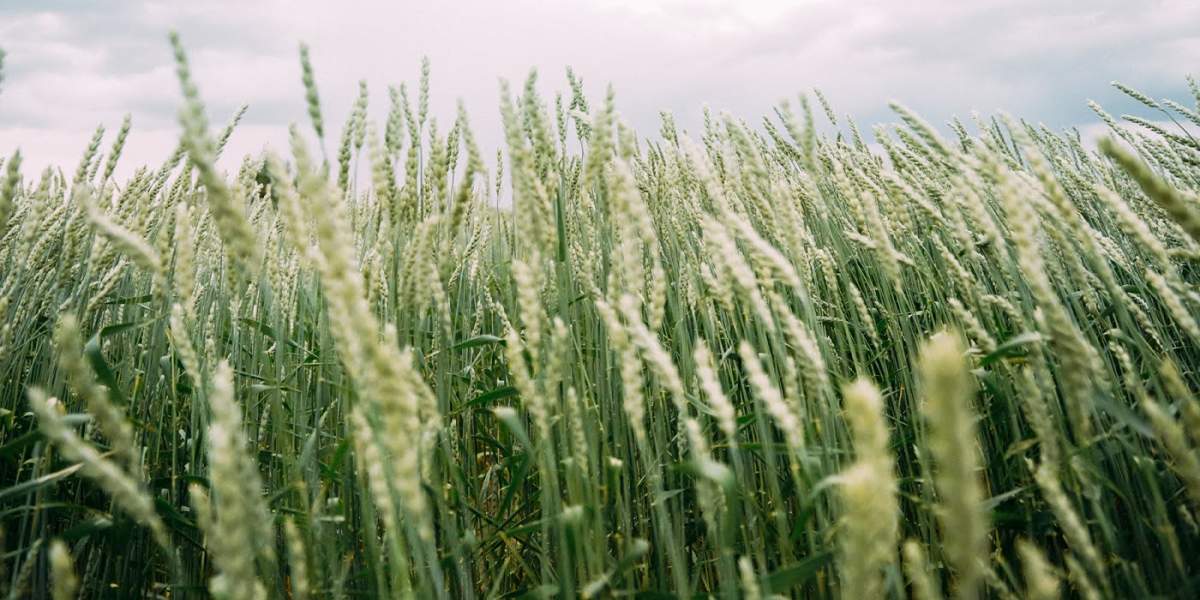
This guide centers on the revival of ancient and heritage grains within regenerative farming systems and highlights seed stewardship as a practical strategy for regional adaptation. The snippet indicates that farmers will save and swap ancient and heritage varieties that have adapted to local climate and soils over time, which is a significant detail for anyone focused on seed sovereignty, local resilience, and low-input production. The emphasis on saving and swapping suggests that the guide is not just about growing grain, but about building an exchange network that helps keep adapted genetics circulating among farmers. That is especially relevant in regenerative systems where diversity, adaptability, and place-based breeding matter. The guide likely serves as a bridge between ecological farming principles and the concrete work of selecting, maintaining, and disseminating grain varieties that can thrive under changing conditions. Because ancient and heritage grains are associated with local adaptation, the article is useful for farmers seeking varieties with better alignment to their own soils, rainfall patterns, and management style. Its framing under regenerative farming suggests the guide also connects grain revival to soil health, rotational systems, or reduced-input management, although the snippet only explicitly confirms the seed-saving and swapping component. For practitioners, the key value is the combination of agronomic and community-based resilience: grain revival is presented not merely as nostalgia, but as an active strategy for preserving useful genetics and strengthening farm systems over time. That makes it relevant to growers, seed savers, and regional food system organizers looking for concrete pathways to maintain heritage grains in working agricultural landscapes.
Source: madagriculture.org
Related Analysis
- Regenerative Farmers Flip Cover Crop Logic From Compliance to Profit — Practitioner accounts and a new meta-analysis suggest cover cropping is being reframed from conservation practice to pro…
- Farmers Convert Six Weeks of Rhubarb Into 25-Year Supply — Initial signals suggest a rhubarb preservation technique can extend a brief seasonal harvest into 25 years of storage—a …
Related on PermaNews
- Traditional Seed Saving: Crop Diversity & Resilience Secrets (How-To Guide)
- Milkwood: Build a Seed Bank – Save Tomato & Cucumber Seeds (Video)
- Seed Saving Mastery: Permaculture's Genetic Diversity Key (How-To Guide)
- Seed Saving: A Revolutionary Act for Biodiversity & Food (Article)
- Seed Saving Revival: Cultivating Self-Sufficiency (How-To Guide)
- Seedition Revealed: Your Guide to Regenerative Seed Saving (How-To Guide)
Explore more in Food Systems & Growing — the full hub for this knowledge area.