Tony Santoro Remodel & Deceptive Orchid Pollination
By Crime Pays But Botany Doesn't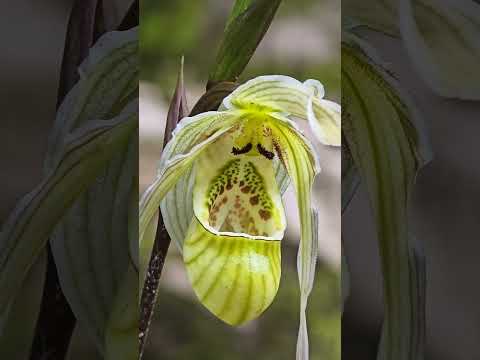
PermaNews Brief
Key Takeaways
A video exploring home renovation and unusual orchid pollination highlights diverse aspects of natural and built environments.
- Kitchen and bathroom remodels enhance home utility and value.
- Cypripedioid orchids use deceptive pollination strategies.
- Orchids mimic reward-providing plants to attract pollinators.
- Specialized floral structures aid orchid reproduction.
- Consider both practical home improvements and natural wonders.
Why It Matters
Understanding renovation choices can improve living spaces, while observing deceptive pollination reveals nature’s ingenuity in survival.
What to Do Next
Watch the video to see how these seemingly disparate topics are connected and explored.
Recommended for: Those interested in the intersection of practical home improvements and fascinating natural history.
This article presents a dual topic, exploring both practical home renovation and a fascinating aspect of botanical biology. The first part delves into a kitchen and bathroom remodeling project, presumably led by or featuring Tony Santoro. While the specifics of the renovation are not detailed in the provided information, the mention of these two key areas suggests a focus on functional and aesthetic improvements within a residential setting. Kitchen and bathroom remodels are significant undertakings, often involving complex planning, material selection, and skilled labor. Such projects typically aim to enhance usability, update outdated designs, increase property value, and improve overall living comfort. The involvement of an individual like Tony Santoro implies a level of expertise or a particular approach to these renovations, which could range from design philosophy to construction techniques. Without further details, it's difficult to ascertain the scale, style, or specific challenges and solutions encountered in this particular remodeling endeavor. However, the pairing of these two rooms indicates a comprehensive approach to modernizing essential areas of a home.
The second, seemingly unrelated, part of the article shifts focus dramatically to the intricate world of botany, specifically addressing "deceptive pollination in Cypripedioid orchids." This topic highlights a remarkable evolutionary strategy employed by certain orchid species to ensure their reproduction. Deceptive pollination refers to a mechanism where a plant attracts pollinators without offering any reward, such as nectar or pollen. Instead, these orchids mimic other plants that do offer rewards, or they exploit the innate behaviors or sensory biases of their pollinators.
Cypripedioid orchids, commonly known as lady's slipper orchids, are particularly renowned for their elaborate floral structures and their often highly specialized pollination systems. Their distinctive pouch-like labellum (petal) plays a crucial role in trapping insects, guiding them through a specific pathway that ensures pollen transfer. In the context of deceptive pollination, these orchids might employ various tactics. For instance, they could mimic the appearance or scent of flowers that are rich in nectar, thereby luring insects that are searching for food. Alternatively, they might resemble potential mates or oviposition sites for certain insect species, exploiting their reproductive instincts. Some deceptive orchids even mimic the presence of other insects, attracting predatory or parasitic insects that then inadvertently pollinate the flower.
The "deceptive" aspect implies that the pollinator expends energy and time visiting the orchid without receiving any benefit in return. This strategy is considered evolutionarily advantageous for the orchid because it avoids the metabolic cost of producing nectar or excess pollen, while still achieving successful reproduction. However, it also presents a challenge for the orchid, as it must maintain a delicate balance to avoid completely deterring pollinators. If too many visits are unrewarding, pollinators may learn to avoid these flowers. Therefore, the mimicry or deception must be sufficiently convincing and the pollinator population large enough to ensure continued success.
The juxtaposition of these two topics – practical home renovation and complex botanical evolution – suggests a diverse range of interests or perhaps an attempt to present seemingly disparate subjects under a broader theme of design, function, or natural processes. While one deals with human-engineered environments and the other with natural biological systems, both touch upon intricate designs and successful strategies for survival or improvement within their respective contexts.
Source: youtube.com
Related Analysis
- Homeowners Retrofit Properties with Renewable Energy Solutions — Renewable energy retrofitting gains traction as regenerative agriculture principles inform home upgrades. Experts point …
- New Practices Build Climate-Resilient Cob Homes — Cob construction emerges as a key strategy in enhancing resilience against ecological challenges in permaculture systems…
Related on PermaNews
- Ernst Götsch's Cacao Syntropy: Master Agroforestry Now (How-To Guide)
- Finnish Off-Grid: Rocket Mass Heater Performance in Greenhouse (Case Study)
- Berlins schwimmende Gärten: Permakultur auf dem Wasser (Case Study)
- Rodale Report 2025: Thermal Mass Boost in Solar Greenhouses (Case Study)
- AUTarcaMatricultura La Palma: Permakultur & Energieautarkie (How-To Guide)
- Earthaven Ecovillage: 30 Years Off-Grid with Hydro & Solar (Video)
Explore more in Shelter, Energy & Infrastructure — the full hub for this knowledge area.