Spotting Clogged Gutters: 6 Red Flags to Watch For
By Ricardo Orlando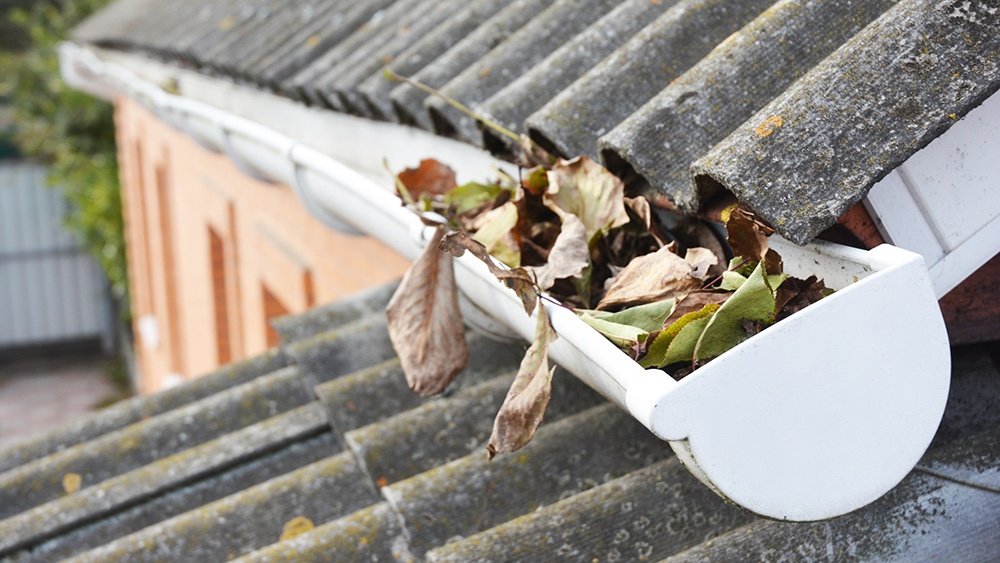
PermaNews Brief
Key Takeaways
Clogged gutters can cause significant and costly damage to your home, so recognizing the warning signs is crucial for preventative action.
- Overflowing water indicates blockages.
- Standing water breeds pests and stresses gutters.
- Visible debris signals immediate cleaning needs.
- Wall stains point to prolonged moisture exposure.
- Sagging gutters show structural failure imminent.
Why It Matters
Maintaining clear gutters protects your home’s foundation, walls, and landscaping from water damage, preventing costly repairs and enhancing the longevity of your property.
What to Do Next
Inspect your gutters for visible debris and clear any blockages immediately; consider professional cleaning if accumulations are severe.
Recommended for: Homeowners, renters, and property managers seeking to prevent water damage and maintain their buildings efficiently.
Gutters, often overlooked components of a building's exterior, play a vital role in directing rainwater away from the foundation, walls, and landscaping. Neglecting their maintenance can lead to significant and costly damage over time. Recognizing the signs of clogged gutters is crucial for preventative action and ensuring the long-term health of a structure.
One of the most immediate and visible indicators of a blockage is water overflowing from the gutters, particularly during rainfall. Instead of flowing smoothly through the downspouts, water will spill over the edges, often creating cascades or waterfalls. This overflow can saturate the ground directly around the foundation, potentially leading to basement flooding, foundation cracks, and erosion of landscaping.
Another clear sign is the presence of standing water within the gutters themselves. After a rain event, gutters should drain completely. If water remains stagnant, it indicates an obstruction preventing proper flow. This standing water can become a breeding ground for mosquitoes and other insects, and its weight can put undue stress on the gutter system, potentially causing it to sag or detach from the fascia board.
Visible debris protruding from the gutters or downspouts is a strong indicator of a clog. Leaves, twigs, dirt, and even bird nests can accumulate and become compacted, forming a barrier to water flow. If you can see these materials overflowing or jammed in the downspout opening, it's a clear signal that a cleaning is overdue.
Stains or discoloration on the exterior walls of the house, particularly beneath the gutters, can also point to a problem. When gutters are clogged, water can spill over and run down the siding, leaving behind streaks of dirt, mildew, or algae. These stains not only detract from the aesthetic appeal of the home but can also indicate prolonged moisture exposure, which can lead to more serious issues like rot or mold growth.
Sagging or pulling away of the gutters from the roofline is a more severe warning sign. The weight of accumulated debris and trapped water can become substantial, exceeding the structural capacity of the gutter hangers and fasteners. This excessive weight can cause the gutters to deform, pull away from the fascia, or even collapse entirely. Such damage often requires professional repair or replacement in addition to clearing the blockage.
Finally, the absence of water flowing from the downspout during a rainstorm, especially when other parts of the gutter system are overflowing, is a definitive sign of a complete blockage. If water is entering the gutter but not exiting through the downspout, it means the entire system is backed up. This situation is particularly problematic as it forces water to find alternative paths, often leading to water intrusion into the attic or behind exterior walls.
Regular inspection and cleaning of gutters, ideally twice a year in spring and fall, can prevent these issues. Addressing these warning signs promptly can save homeowners from costly repairs and maintain the integrity of their property.
Source: urbanfarmonline.com
Related Analysis
- Homeowners Retrofit Properties with Renewable Energy Solutions — Renewable energy retrofitting gains traction as regenerative agriculture principles inform home upgrades. Experts point …
- New Practices Build Climate-Resilient Cob Homes — Cob construction emerges as a key strategy in enhancing resilience against ecological challenges in permaculture systems…
Related on PermaNews
- Hamburg: KREIS macht Jenfelder Au zur Pionierin der Wasserwirtschaft (Case Study)
- Design Starts with Water (Video)
- Dürrefest gärtnern: Permakultur übersteht Klimakrise (How-To Guide)
- Restoring An Ancient Floodplain (Video)
- Smartes Stadtgrün: Digitale Bewässerung & KI gegen Dürre (How-To Guide)
- Keyline-Design: Wassermanagement in Süddeutschland – Praxistest (How-To Guide)
Explore more in Shelter, Energy & Infrastructure — the full hub for this knowledge area.