Permaculture Patterns: See Them, Can't Unsee Them
By Discover Permaculture with Geoff Lawton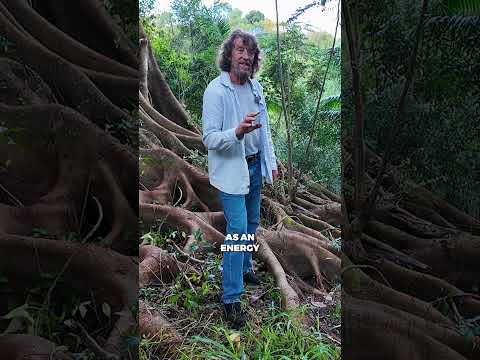
PermaNews Brief
Key Takeaways
Recognizing recurring natural patterns is fundamental to permaculture design, transforming one's perception of ecosystems and human systems.
- Pattern recognition boosts understanding of natural and designed systems.
- Natural patterns offer efficient, resilient design blueprints.
- Branching and spiraling patterns optimize resource distribution.
- Apply successful natural strategies across different domains.
- Understanding cycles allows working with natural rhythms.
Why It Matters
Understanding universal patterns allows for more effective and harmonious integration of human endeavors with natural processes, leading to sustainable outcomes.
What to Do Next
Start observing the branching patterns in trees, rivers, and even your own circulatory system to see the underlying similarities.
Recommended for: Anyone interested in permaculture, sustainable design, or a deeper understanding of natural systems.
The concept of pattern recognition is a fundamental aspect of understanding and applying permaculture principles. Once an individual develops the ability to identify these patterns, their perception of the natural world and human systems undergoes a significant transformation, making it difficult to revert to a previous, less informed perspective. This heightened awareness allows for a deeper comprehension of how various elements interact and influence one another within an ecosystem or a designed system.
Permaculture emphasizes observing natural patterns as a blueprint for sustainable design. These patterns are not merely aesthetic; they represent efficient and resilient strategies developed over eons of natural selection. For instance, the branching pattern of a tree, the spiraling growth of a fern, or the meandering course of a river are not random occurrences. Each pattern serves a specific function, optimizing resource distribution, maximizing surface area for light or water absorption, or dissipating energy efficiently.
When one begins to "see" these patterns, they start to notice their recurrence across different scales and contexts. The branching pattern of a tree, for example, can be observed in the circulatory system of an animal, the flow of water through a watershed, or even the organizational structure of a complex network. This recognition allows for the transfer of successful strategies from one domain to another. If a branching pattern efficiently distributes nutrients in a tree, perhaps a similar design could be applied to an irrigation system to optimize water delivery.
Furthermore, pattern recognition extends beyond static forms to dynamic processes. The cyclical nature of seasons, the ebb and flow of tides, or the succession of plant communities in an ecosystem are all examples of temporal patterns. Understanding these cycles enables designers to work with, rather than against, natural rhythms, leading to more harmonious and productive outcomes. For instance, planting crops that align with seasonal rainfall patterns reduces the need for artificial irrigation.
The ability to discern patterns also highlights the interconnectedness of all things. A change in one part of a system often has ripple effects throughout the entire system. For example, deforestation in an upland area can lead to increased erosion, sedimentation in rivers, and reduced water availability downstream. Recognizing these causal patterns allows for more holistic problem-solving, addressing root causes rather than merely treating symptoms.
This shift in perception also empowers individuals to identify and critique unsustainable patterns prevalent in conventional human systems. The linear "take-make-dispose" model of production, for instance, stands in stark contrast to the cyclical, regenerative patterns found in nature. Once this disparity is recognized, the inefficiencies and environmental consequences of such linear systems become glaringly obvious, prompting a desire for more circular and restorative approaches.
In essence, developing an eye for patterns in permaculture is akin to acquiring a new language for understanding the world. It provides a framework for analysis, design, and intervention that is deeply rooted in ecological principles. This newfound clarity not only enhances one's ability to create sustainable systems but also fosters a profound appreciation for the intricate beauty and inherent wisdom of the natural world. Once this perspective is gained, it becomes an integral part of how one perceives and interacts with their environment, making it truly impossible to "unsee" the patterns that govern life.
Source: youtube.com
Related Analysis
- Rainforest Alliance Launches Certification Tied to Soil Results — A developing direction in regenerative ag certifications demands measurable soil outcomes, not just practice adoption. R…
- Campbell's Corporate Grants Push Farmers Into Regenerative Trials — Campbell's Grower Grants are funding real-acre regenerative trials, offering a corporate-backed mechanism for on-farm ex…
Related on PermaNews
- Ernst Götsch's Cacao Syntropy: Master Agroforestry Now (How-To Guide)
- Finnish Off-Grid: Rocket Mass Heater Performance in Greenhouse (Case Study)
- Berlins schwimmende Gärten: Permakultur auf dem Wasser (Case Study)
- Rodale Report 2025: Thermal Mass Boost in Solar Greenhouses (Case Study)
- AUTarcaMatricultura La Palma: Permakultur & Energieautarkie (How-To Guide)
- Earthaven Ecovillage: 30 Years Off-Grid with Hydro & Solar (Video)
Explore more in Food Systems & Growing — the full hub for this knowledge area.