Master Seed Saving: 17 Expert Tips for Permaculture
PermaNews Brief
Key Takeaways
Master seed saving with practical techniques for both dry and wet extraction methods to ensure future harvests.
- Learn dry and wet seed saving for different plant types.
- Proper drying prevents mold and maintains seed viability.
- Fermentation improves germination for some wet seeds.
- Store seeds correctly to extend their shelf life.
- Gentle handling is crucial to avoid seed damage.
Why It Matters
Saving seeds fosters self-sufficiency and preserves plant varieties, directly supporting resilient food systems and biodiversity in your garden.
What to Do Next
Set aside a few plants this season specifically for seed saving to begin your own collection.
Recommended for: Gardeners of all levels interested in sustainable practices, food preservation, and building resilient food systems.
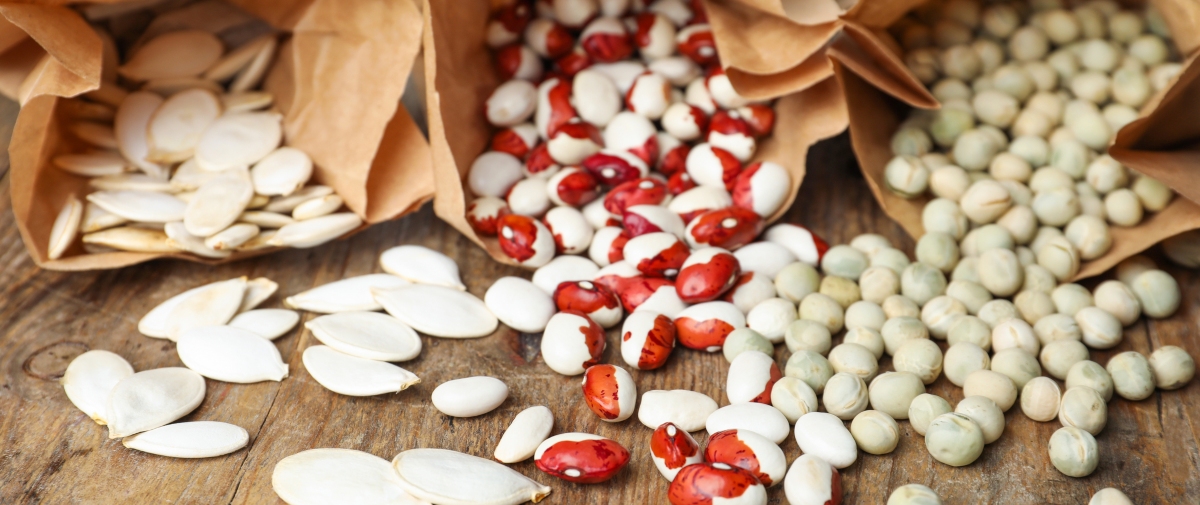
This comprehensive guide provides detailed step-by-step instructions on how to save seeds from various types of plants using different methods such as the dry process for seeds in pods (peas, beans, leeks) and the wet process for seeds in fleshy fruits (melons, squashes). It explains how to properly dry seeds, extract them, and prepare them for storage to maintain viability. The guide also covers specific examples like saving bean, pea, and tomato seeds, including fermentation techniques to improve germination rates. Additional tips include handling seeds carefully to avoid damage and ensuring seeds are fully dried before storage to prevent mold or rot. This resource is practical for gardeners interested in sustainable seed saving practices aligned with permaculture and regenerative agriculture principles.
Source: grocycle.com
Related Analysis
- High-Salt Fertilizers Block Soil Microbes, Kempf Says — High-salt fertilizers disrupt soil microbes and microbial colonization, trapping farmers in chemical dependency. Biologi…
- Fertilizer Shortage Forces Reckoning on Nitrogen Sources — Fertilizer supply crisis drives farms toward nitrogen-fixing cover crops, compost, and legume rotations as alternatives.
Related on PermaNews
- Ernst Götsch's Cacao Syntropy: Master Agroforestry Now (How-To Guide)
- Finnish Off-Grid: Rocket Mass Heater Performance in Greenhouse (Case Study)
- Designing Regenerative Resilience: Participatory Living Labs (How-To Guide)
- Berlins schwimmende Gärten: Permakultur auf dem Wasser (Case Study)
- Lo—TEK: Indigenous Tech for Climate Solutions (Article)
- Rodale Report 2025: Thermal Mass Boost in Solar Greenhouses (Case Study)
Explore more in Food Systems & Growing — the full hub for this knowledge area.