Guard Geese: Permaculture's Feathery Protectors
By Justin Rhodes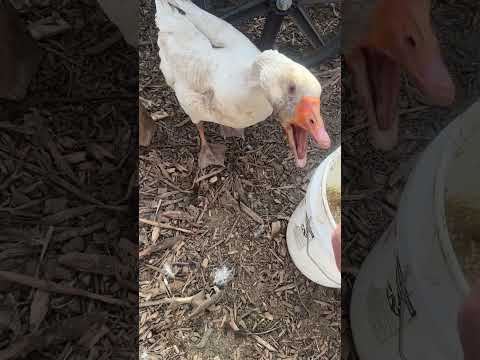
PermaNews Brief
Key Takeaways
Geese offer multifaceted benefits like guarding, weeding, and fertilizing, making them a valuable addition to permaculture systems.
- Geese deter predators and alert to threats with honking.
- They safeguard other livestock effectively.
- Geese forage on weeds and insect pests.
- Their droppings enrich soil nutrients.
- Geese require relatively low maintenance.
Why It Matters
Integrating geese can significantly reduce predation, naturally manage weeds, and improve soil health, enhancing farm productivity and sustainability.
What to Do Next
Consider how geese might fit into your existing farm ecosystem for natural pest control and protection.
Recommended for: Farmers and homesteaders seeking natural, multi-functional solutions for predator control, weed management, and soil enrichment.
The article discusses the benefits of integrating geese into a permaculture system, particularly highlighting their role as effective guardians. Geese are presented as a valuable asset for small farms and homesteads, offering a range of advantages beyond just their protective instincts.
One of the primary points emphasized is the geese's natural inclination to guard. They are described as territorial animals that will actively deter predators and unwanted visitors. Their loud honking serves as an excellent alarm system, alerting farmers to any potential threats. This protective behavior extends to other livestock, such as chickens, ducks, and even smaller animals, making them a natural choice for safeguarding a diverse farm ecosystem. The article suggests that a well-integrated goose can significantly reduce losses due to predation, a common challenge for many small-scale agricultural operations.
Beyond their guarding capabilities, geese contribute to the farm's overall health and productivity in several other ways. They are excellent foragers, consuming weeds and some insect pests, which can reduce the need for manual weeding and chemical interventions. This natural pest control and weed management aligns perfectly with permaculture principles, promoting a more self-sustaining and less labor-intensive system. Their foraging habits also mean they can help clear areas for planting or prepare ground for other uses.
Furthermore, geese contribute to soil fertility. Their droppings act as a natural fertilizer, enriching the soil with essential nutrients. This organic matter improves soil structure, water retention, and microbial activity, fostering a healthier environment for plant growth. The article implicitly suggests that by allowing geese to roam and forage, they are actively participating in the nutrient cycling of the farm, a core tenet of permaculture design.
The article also touches upon the relatively low maintenance requirements of geese compared to some other livestock. They are generally hardy birds that can thrive on pasture and supplemental feed, making them a cost-effective addition to a farm. Their ability to forage for a significant portion of their diet reduces reliance on purchased feed, further enhancing the economic viability of their integration.
While highlighting their benefits, the article also implicitly acknowledges the need for proper management. While their guarding instincts are valuable, their territorial nature means they might require careful introduction to other animals and people. Understanding their behavior and providing appropriate space and resources are crucial for successful integration. The overall tone suggests that with thoughtful planning, geese can be a highly beneficial and integral part of a permaculture system, offering protection, natural pest and weed control, and soil enrichment, all while being relatively easy to care for. Their multifaceted contributions make them a valuable and often overlooked resource for sustainable farming practices.
Source: youtube.com
Related Analysis
- Does Growing Your Own Food Actually Save Money? The Real Numbers — Most home gardens save money by year two — but only if the right crops are planted. Herbs and salad greens deliver 5–10x…
- Regenerative Farmers Flip Cover Crop Logic From Compliance to Profit — Practitioner accounts and a new meta-analysis suggest cover cropping is being reframed from conservation practice to pro…
Related on PermaNews
- Ernst Götsch's Cacao Syntropy: Master Agroforestry Now (How-To Guide)
- Finnish Off-Grid: Rocket Mass Heater Performance in Greenhouse (Case Study)
- Berlins schwimmende Gärten: Permakultur auf dem Wasser (Case Study)
- Rodale Report 2025: Thermal Mass Boost in Solar Greenhouses (Case Study)
- AUTarcaMatricultura La Palma: Permakultur & Energieautarkie (How-To Guide)
- Earthaven Ecovillage: 30 Years Off-Grid with Hydro & Solar (Video)
Explore more in Food Systems & Growing — the full hub for this knowledge area.