Ecological Pest Control: Companion Planting Through Animal Eyes
By Willows Green Permaculture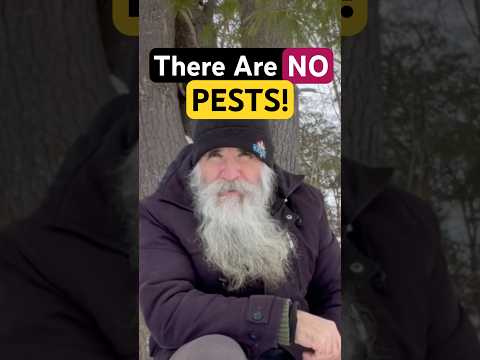
TL;DR: Rethink "pests" as integral ecosystem components and use companion planting to guide animal behavior, fostering natural balance.
- "Pests" are ecological roles, not just problems.
- Integrate animals into balanced garden ecosystems.
- Companion planting aids plant and animal interactions.
- Redirect animal behavior instead of eradicating them.
- Understand animal preferences for natural management.
Why it matters: Shifting your perspective on garden "pests" allows for more resilient, biodiverse, and naturally controlled growing spaces, reducing reliance on harmful interventions.
Do this next: Consider what "pest" issues you're facing and how you might reframe them as ecological interactions to manage naturally.
Recommended for: Gardeners of all levels looking to adopt a more holistic and ecological approach to "pest" management and foster biodiversity.
The concept of "pests" in gardening is often a human construct, as from an ecological perspective, every organism plays a role in the natural system. Instead of viewing certain insects or animals as inherently detrimental, a permaculture approach encourages understanding their function and integrating them into a balanced ecosystem. This perspective shifts the focus from eradication to fostering biodiversity and creating a resilient environment where natural controls are in place.
One key aspect of this approach is companion planting, which involves strategically placing different plant species near each other to achieve various benefits. While often discussed in terms of plant-to-plant interactions, such as deterring unwanted insects or attracting beneficial ones, companion planting can also be considered from the animal's point of view. This means understanding what attracts certain animals to a garden and what might deter them, not through harmful means, but by providing alternative resources or creating an environment that naturally discourages their presence in specific areas.
For instance, if deer are browsing on young fruit trees, instead of erecting tall fences, one might consider planting their preferred forage plants away from the trees, or interspersing the trees with plants that deer find unpalatable. This doesn't eliminate the deer but redirects their feeding habits. Similarly, if slugs are an issue, understanding their preference for moist, sheltered environments can lead to strategies like improving drainage, reducing excessive mulch in certain areas, or introducing natural predators like ducks or ground beetles. The goal is not to eliminate slugs entirely, as they contribute to decomposition, but to manage their populations and prevent them from causing significant damage to desired crops.
Birds, often seen as beneficial for insect control, can sometimes become "pests" when they consume ripening fruit. From an animal's perspective, they are simply seeking food. Companion planting in this context might involve planting berry bushes that ripen earlier or later than the desired fruit, providing an alternative food source for the birds. Alternatively, creating perching spots away from the fruit trees can encourage birds to spend time elsewhere.
Even insects commonly labeled as "pests," such as aphids, have a role. They are a food source for ladybugs, lacewings, and other beneficial insects. Instead of immediately reaching for an insecticide, a permaculture approach would focus on attracting these predators by planting their preferred nectar and pollen sources. This creates a self-regulating system where the aphid population is kept in check naturally.
The underlying principle is to observe, understand, and then design. By observing the behavior of animals and insects in the garden, one can gain insights into their needs and preferences. This understanding then informs the design of the garden, creating a diverse and interconnected ecosystem where each element supports the others. This might involve creating habitat for beneficial insects, providing water sources for birds and small mammals, or planting a variety of species to offer diverse food sources and shelter.
Ultimately, the "no pests" philosophy encourages a shift from a confrontational mindset to one of integration and cooperation with nature. It recognizes that every organism has a place and a function, and by understanding these roles, gardeners can create thriving, resilient ecosystems that require less intervention and produce abundant yields. This holistic approach to companion planting, viewed from the animal's perspective, is a cornerstone of permaculture design.
Source: youtube.com
Related Analysis
- Farms Build Resilience, Pivot to Regenerative Soil — New initiatives and analysis explicitly frame regenerative agriculture as a direct solution for climate resilience, focu…
- Federal Policy Pivots, Builds Indigenous Agriculture Frameworks — Federal policy trends are integrating Indigenous knowledge with soil science in regenerative agriculture, shifting polic…
Related on PermaNews
- PRI Jordan: Arid Zone Permaculture Yields 5 Tons/Hectare (Case Study)
- Nachhaltigkeit neu gedacht: Natur, Mensch, Markt vereint (Article)
- Aboriginal Cool Burns: Permaculture's Ancient Fire Wisdom (Case Study)
- Crop Rotation Boosts Soil Biodiversity: Global Meta-analysis (Article)
- The 10 Crops That Can Turn Arid Lands Into Biodiversity And Food Security Hotspots (Article)
- Insecticides Gravely Threaten Honey Bee Gut Microbiome, Study Findings Expand on Previous Research (Article)
Explore more in Food Systems & Growing — the full hub for this knowledge area.