Jerusalem Artichoke: Health Benefits & Preparation
By Urban Farmer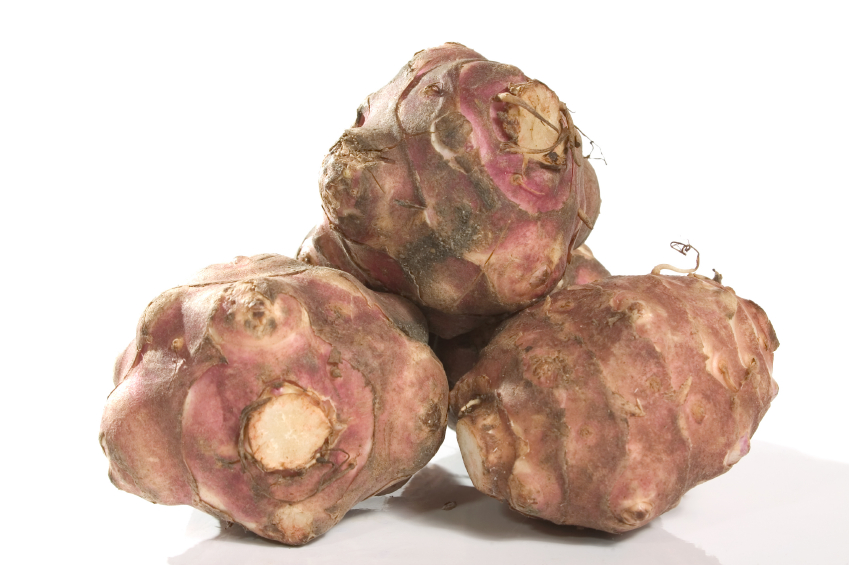
PermaNews Brief
Key Takeaways
Jerusalem artichokes offer significant health benefits, particularly for gut health and blood sugar regulation, due to their rich inulin and nutrient content.
- High in inulin for gut health.
- Helps regulate blood sugar levels.
- Good source of iron and potassium.
- Provides essential B vitamins.
- Low in calories, nutrient-dense.
Why It Matters
Incorporating Jerusalem artichokes into your diet can lead to improved digestion, more stable energy, and better overall nutrient intake.
What to Do Next
Try roasting Jerusalem artichokes with herbs and a drizzle of olive oil for a simple, nutritious side dish.
Recommended for: Home gardeners and health-conscious individuals interested in nutritious, easy-to-grow root vegetables.
Jerusalem artichoke, scientifically known as *Helianthus tuberosus*, is a root vegetable belonging to the sunflower family. This plant is recognized globally for its health benefits and nutritional content. The skin of the tuber can vary in color from light brown to shades of purple and red, and it is edible once properly cleaned.
One of the primary health advantages of Jerusalem artichoke stems from its high fiber content, particularly inulin. Inulin is a type of soluble fiber that acts as a prebiotic, meaning it feeds beneficial bacteria in the gut. This contributes to a healthy digestive system, potentially improving gut flora balance and aiding in nutrient absorption. The presence of inulin also means that the carbohydrates in Jerusalem artichoke are digested and absorbed more slowly than many other starches. This slow release of sugars into the bloodstream can help regulate blood sugar levels, making it a potentially beneficial food for individuals managing diabetes or those looking to maintain stable energy levels.
Beyond its fiber content, Jerusalem artichoke is a good source of various vitamins and minerals. It contains notable amounts of iron, which is crucial for oxygen transport in the blood and preventing anemia. Potassium is another abundant mineral, important for maintaining proper fluid balance, nerve function, and muscle contractions. The tuber also provides a range of B vitamins, including thiamine (B1) and niacin (B3), which play vital roles in energy metabolism and overall cellular function. Additionally, it offers some vitamin C, an antioxidant that supports the immune system and skin health.
The nutritional profile of Jerusalem artichoke extends to its protein content, offering a modest but valuable amount of plant-based protein. It is also relatively low in calories, making it a nutrient-dense food that can contribute to a balanced diet without excessive caloric intake. Its natural sweetness, derived from its carbohydrate composition, allows it to be a flavorful addition to meals without the need for added sugars.
When it comes to preparation, Jerusalem artichoke is quite versatile. The tubers can be eaten raw, offering a crisp texture and a slightly nutty, sweet flavor, often compared to water chestnuts or jicama. For raw consumption, they can be thinly sliced and added to salads, providing a refreshing crunch.
Cooking methods are diverse. Jerusalem artichokes can be roasted, which brings out their sweetness and gives them a tender interior with a slightly caramelized exterior. They can be boiled or steamed until tender, then mashed or pureed to create a creamy side dish, similar to mashed potatoes but with a distinct flavor. Frying is another option, yielding crispy chips or sautéed pieces that can accompany various main courses. They can also be incorporated into soups and stews, where they contribute to the texture and flavor profile of the dish. Due to their earthy and slightly sweet taste, they pair well with a variety of herbs and spices, as well as other root vegetables. Proper cleaning, which involves scrubbing the skin thoroughly, is recommended, especially if the skin is to be consumed. Peeling is optional, as the skin is edible and contains additional nutrients.
Source: urbanfarmonline.com
Related Analysis
- Food Forest Courses Shift From Theory to Build-Ready Skills — Several food forest courses now open with site assessment and guild-building rather than design theory, suggesting a dev…
- Practitioners Build Silvopasture Playbook Before Researchers Catch Up — A small but consistent set of signals from the Northeast U.S. shows farmers actively piloting silvopasture while formal …
Related on PermaNews
- Ernst Götsch's Cacao Syntropy: Master Agroforestry Now (How-To Guide)
- Finnish Off-Grid: Rocket Mass Heater Performance in Greenhouse (Case Study)
- Berlins schwimmende Gärten: Permakultur auf dem Wasser (Case Study)
- Rodale Report 2025: Thermal Mass Boost in Solar Greenhouses (Case Study)
- AUTarcaMatricultura La Palma: Permakultur & Energieautarkie (How-To Guide)
- Earthaven Ecovillage: 30 Years Off-Grid with Hydro & Solar (Video)
Explore more in Food Systems & Growing — the full hub for this knowledge area.