Beginner Seed Saving - Carolina Farm Stewardship Association
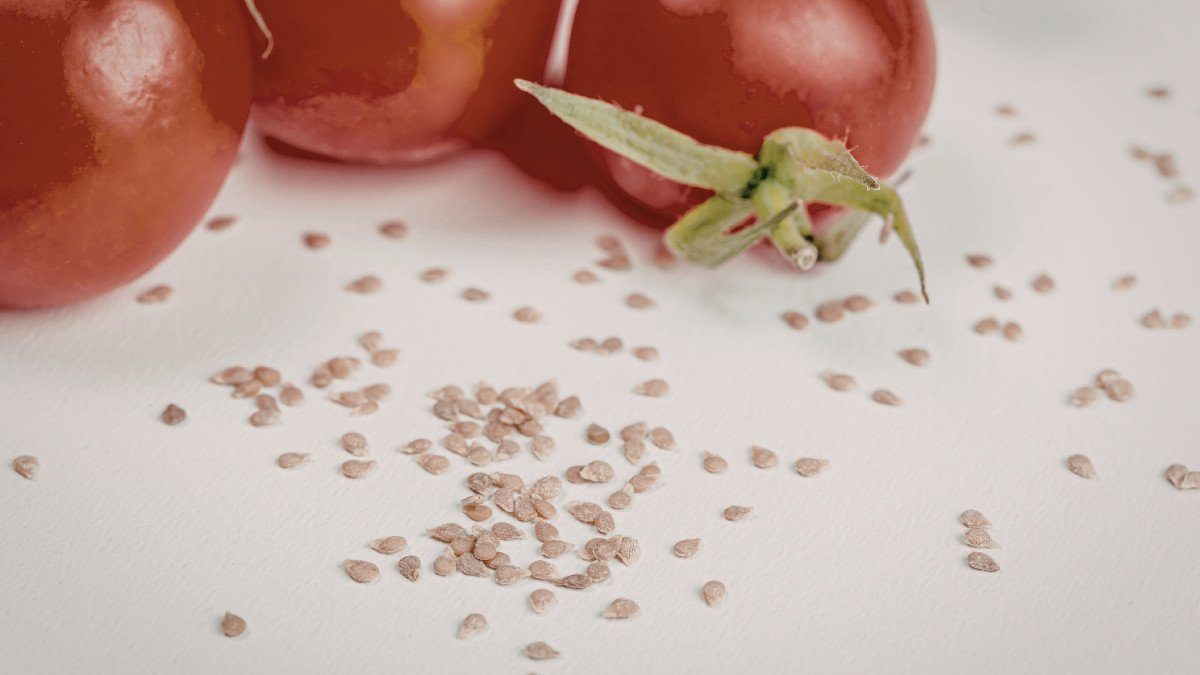
This workshop is a practical, hands-on introduction to seed saving, designed for participants who want to build foundational skills rather than simply hear a general overview. The event takes place at CFSA’s Lomax Farm and combines a farm tour with field-based instruction, which makes it especially useful for growers who learn best by seeing crops in context. The description indicates that attendees will first tour the farm and then move into a hands-on portion focused on harvesting and cleaning tomato seed. That makes the session concrete and actionable: instead of discussing seed saving in the abstract, it appears to teach the actual sequence of collecting mature seed, separating it from fruit material, and preparing it for storage or future planting.
For practitioners, tomato seed saving is a strong entry point because tomatoes are one of the most approachable crops for beginning seed savers. They are widely grown, easy to recognize at maturity, and useful for learning core concepts such as selecting healthy parent plants, identifying ripe fruit, extracting seed, removing pulp, and drying seed properly. A workshop like this can also help participants understand the difference between saving seed for home use and saving seed for maintaining varietal purity or for larger-scale farm production. Since the event is hosted on a working farm, attendees may also gain insight into crop spacing, isolation considerations, timing of harvest, and how environmental conditions affect seed quality.
The practical value of the event is that it likely helps participants avoid common beginner mistakes such as harvesting seed too early, failing to clean it adequately, or storing it while it is still moist. Those details matter because improper handling can reduce germination or encourage mold. The farm-based setting also suggests that learners may be able to ask questions about tools, drying surfaces, labeling, and storage containers, making it more than a basic lecture. Overall, this is a useful entry-level training for gardeners, small-scale farmers, and homesteaders who want to start saving their own seed with confidence and learn a repeatable process they can apply to future crops.
Source: carolinafarmstewards.org
Related Analysis
- Stacking Functions Emerges as Key to Resilience Practices — Emerging evidence shows stacking functions enhances community resilience through interlinked systems focused on efficien…
- Homesteading Moves Beyond Skill Acquisition to Durability — Homesteading is evolving beyond initial skill acquisition, with practitioners increasingly prioritizing long-term mainte…
Related on PermaNews
- Traditional Seed Saving: Crop Diversity & Resilience Secrets (How-To Guide)
- Milkwood: Build a Seed Bank – Save Tomato & Cucumber Seeds (Video)
- Seed Saving Mastery: Permaculture's Genetic Diversity Key (How-To Guide)
- Seed Saving: A Revolutionary Act for Biodiversity & Food (Article)
- Seed Saving Revival: Cultivating Self-Sufficiency (How-To Guide)
- Seedition Revealed: Your Guide to Regenerative Seed Saving (How-To Guide)
Explore more in Skills, Preparedness & Self-Reliance — the full hub for this knowledge area.