Missile Silo Transformed: 4-Gen Family's Container Fourplex
By Kirsten Dirksen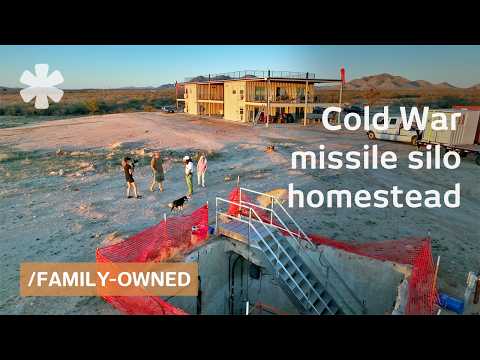
PermaNews Brief
Key Takeaways
A four-generation family built a sustainable container home atop a decommissioned missile silo, showcasing innovative multi-generational living and resourceful architecture.
- Repurpose industrial structures into unique homes.
- Shipping containers offer modular, cost-effective building units.
- Design for multi-generational living with shared and private spaces.
- Incorporate rainwater harvesting and solar panels.
- Insulate effectively for energy efficiency.
Why It Matters
This project demonstrates how derelict infrastructure can be creatively transformed into sustainable, community-focused housing, offering solutions for resource scarcity and intergenerational living challenges.
What to Do Next
Explore local regulations for repurposing industrial structures or using shipping containers in your area.
Recommended for: Anyone interested in radical architectural reuse, sustainable living, and multi-generational housing models.
A family spanning four generations embarked on an ambitious project to construct a four-unit dwelling using shipping containers, strategically placed atop a decommissioned missile silo. This unique architectural endeavor represents a blend of sustainable living, resourcefulness, and a deep connection to the land. The project was initiated by the patriarch, who had a vision for a multi-generational living space that was both innovative and environmentally conscious.
The chosen site, a former Atlas F missile silo, presented both challenges and opportunities. The silo itself, a massive underground structure, offered a stable and secure foundation, as well as a degree of natural insulation. However, integrating modern living spaces with such a robust, industrial relic required careful planning and engineering. The family opted for shipping containers due to their inherent strength, modularity, and cost-effectiveness. These containers, typically used for international freight, were repurposed and modified to create comfortable and functional living units.
The design of the fourplex was meticulously planned to maximize space and natural light, while also ensuring privacy for each family unit. Each container was strategically cut and reinforced to accommodate windows, doors, and internal partitions. The units were then arranged in a way that created communal outdoor spaces, fostering interaction among family members while still allowing for individual retreats. The exterior of the containers was treated to withstand the elements, and various insulation techniques were employed to regulate internal temperatures, minimizing energy consumption.
One of the key aspects of this project was its emphasis on self-sufficiency and sustainable practices. The family incorporated a range of eco-friendly features into the design. Rainwater harvesting systems were installed to collect and store water for various uses, reducing reliance on external water sources. Solar panels were integrated into the roof structure to generate electricity, aiming for a significant reduction in the dwelling's carbon footprint. Waste management was also a priority, with plans for composting and recycling systems to minimize landfill contributions.
The interior design of each unit reflected a minimalist yet comfortable aesthetic. The industrial nature of the containers was embraced, with exposed metal elements often contrasted with warm wood finishes and natural textures. The family members actively participated in the construction process, contributing their skills and labor, which not only reduced costs but also instilled a sense of ownership and pride in their home. This hands-on approach also allowed for flexibility and customization throughout the building phase, adapting to the specific needs and preferences of each generation.
Living atop a former missile silo also presented a unique narrative, connecting the family to a piece of history. The transformation of a structure once associated with defense and potential destruction into a vibrant, sustainable home for a family underscores a powerful message of repurposing and renewal. The project serves as a testament to creative problem-solving and the potential for unconventional spaces to be reimagined for modern living. It highlights how discarded industrial infrastructure can be given a new lease on life, contributing to a more sustainable and resilient future. The multi-generational aspect of the project further emphasizes the importance of family, community, and shared vision in creating a truly unique and meaningful home.
Source: youtube.com
Related Analysis
- Homeowners Retrofit Properties with Renewable Energy Solutions — Renewable energy retrofitting gains traction as regenerative agriculture principles inform home upgrades. Experts point …
- New Practices Build Climate-Resilient Cob Homes — Cob construction emerges as a key strategy in enhancing resilience against ecological challenges in permaculture systems…
Related on PermaNews
Explore more in Shelter, Energy & Infrastructure — the full hub for this knowledge area.