Mariko Gifford: Moringa's Permaculture Powerhouse
By Diego Footer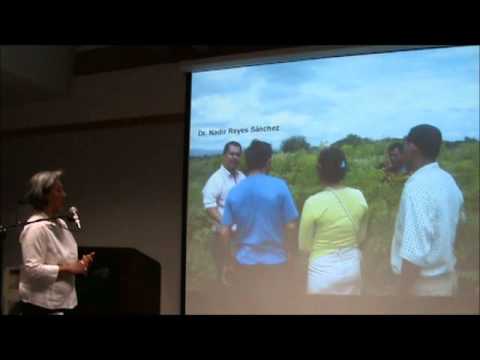
PermaNews Brief
Key Takeaways
Moringa is a fast-growing, nutritious, and adaptable tree that significantly enhances permaculture systems and food security.
- Moringa offers rapid growth for biomass and shade.
- It is highly nutritious, rich in vitamins and minerals.
- The tree thrives in warm climates and various soils.
- Effective propagation is from seeds or cuttings.
- Regular pruning boosts leaf production and manages size.
Why It Matters
Moringa provides a sustainable solution for improving nutrition and creating resilient food systems, especially in resource-limited areas.
What to Do Next
Consider cultivating moringa for its nutritional and permaculture benefits.
Recommended for: Home gardeners, permaculture practitioners, and food security advocates looking for resilient and nutritious crops.
Mariko Gifford, a permaculture practitioner, shared insights into the cultivation and utilization of moringa, a highly nutritious and versatile tree. Her discussion highlighted the plant's rapid growth, adaptability, and numerous benefits, making it a valuable asset for permaculture systems and food security initiatives.
Gifford emphasized moringa's remarkable growth rate, noting its ability to reach significant heights in a short period. This characteristic makes it an excellent choice for establishing quick biomass and providing shade in developing food forests. She explained that moringa thrives in warm climates and can tolerate a range of soil conditions, although it prefers well-drained soil. While it can withstand some drought, consistent moisture generally promotes more vigorous growth and leaf production.
A key aspect of Gifford's presentation revolved around moringa's nutritional profile. She detailed its abundance of vitamins, minerals, and antioxidants, positioning it as a "superfood." The leaves, in particular, are a rich source of protein, iron, calcium, and vitamins A and C. This nutritional density makes moringa a powerful tool for combating malnutrition, especially in regions with limited access to diverse food sources. Gifford also touched upon the medicinal properties attributed to moringa, including its anti-inflammatory and antimicrobial effects, though she focused primarily on its dietary benefits.
Cultivation techniques were another central theme. Gifford explained that moringa can be propagated from seeds or cuttings. She recommended direct seeding in warmer climates or starting seeds indoors in cooler regions to give them a head start. For cuttings, she advised selecting mature, woody stems and planting them directly into the soil. Regular pruning is crucial for maintaining a manageable size and encouraging continuous leaf production. Gifford suggested a "chop and drop" method for pruning, where pruned branches are left on the ground to decompose, enriching the soil and providing organic matter. This practice aligns well with permaculture principles of nutrient cycling and soil building.
Gifford also discussed various ways to incorporate moringa into the diet. The fresh leaves can be added to salads, smoothies, and stir-fries. They can also be dried and powdered, offering a convenient way to preserve their nutrients and add them to a wider range of dishes, including soups, stews, and baked goods. She highlighted the mild, slightly peppery flavor of moringa leaves, which makes them palatable to many. Beyond the leaves, Gifford mentioned that moringa pods, flowers, and even roots are edible, though the leaves are the most commonly consumed part.
The discussion extended to the broader ecological benefits of moringa within a permaculture context. Its deep taproot system helps to break up compacted soil and access water from deeper layers, contributing to soil health and water retention. As a fast-growing tree, it can provide quick shade for understory plants and act as a living fence or windbreak. Furthermore, its flowers attract pollinators, enhancing biodiversity in the garden. Gifford emphasized moringa's role in creating a resilient and productive ecosystem.
In summary, Mariko Gifford's insights into moringa underscored its significance as a versatile and highly beneficial plant for permaculture practitioners and those interested in sustainable food systems. Her presentation covered its rapid growth, nutritional value, cultivation methods, culinary applications, and ecological contributions, painting a comprehensive picture of this remarkable tree.
Source: youtube.com
Related Analysis
- Food Forest Courses Shift From Theory to Build-Ready Skills — Several food forest courses now open with site assessment and guild-building rather than design theory, suggesting a dev…
- Practitioners Build Silvopasture Playbook Before Researchers Catch Up — A small but consistent set of signals from the Northeast U.S. shows farmers actively piloting silvopasture while formal …
Related on PermaNews
- Ernst Götsch's Cacao Syntropy: Master Agroforestry Now (How-To Guide)
- Finnish Off-Grid: Rocket Mass Heater Performance in Greenhouse (Case Study)
- Berlins schwimmende Gärten: Permakultur auf dem Wasser (Case Study)
- Rodale Report 2025: Thermal Mass Boost in Solar Greenhouses (Case Study)
- AUTarcaMatricultura La Palma: Permakultur & Energieautarkie (How-To Guide)
- Earthaven Ecovillage: 30 Years Off-Grid with Hydro & Solar (Video)
Explore more in Food Systems & Growing — the full hub for this knowledge area.