War on Waste: New Recruits' Essential Guide
By Australian Broadcasting Corporation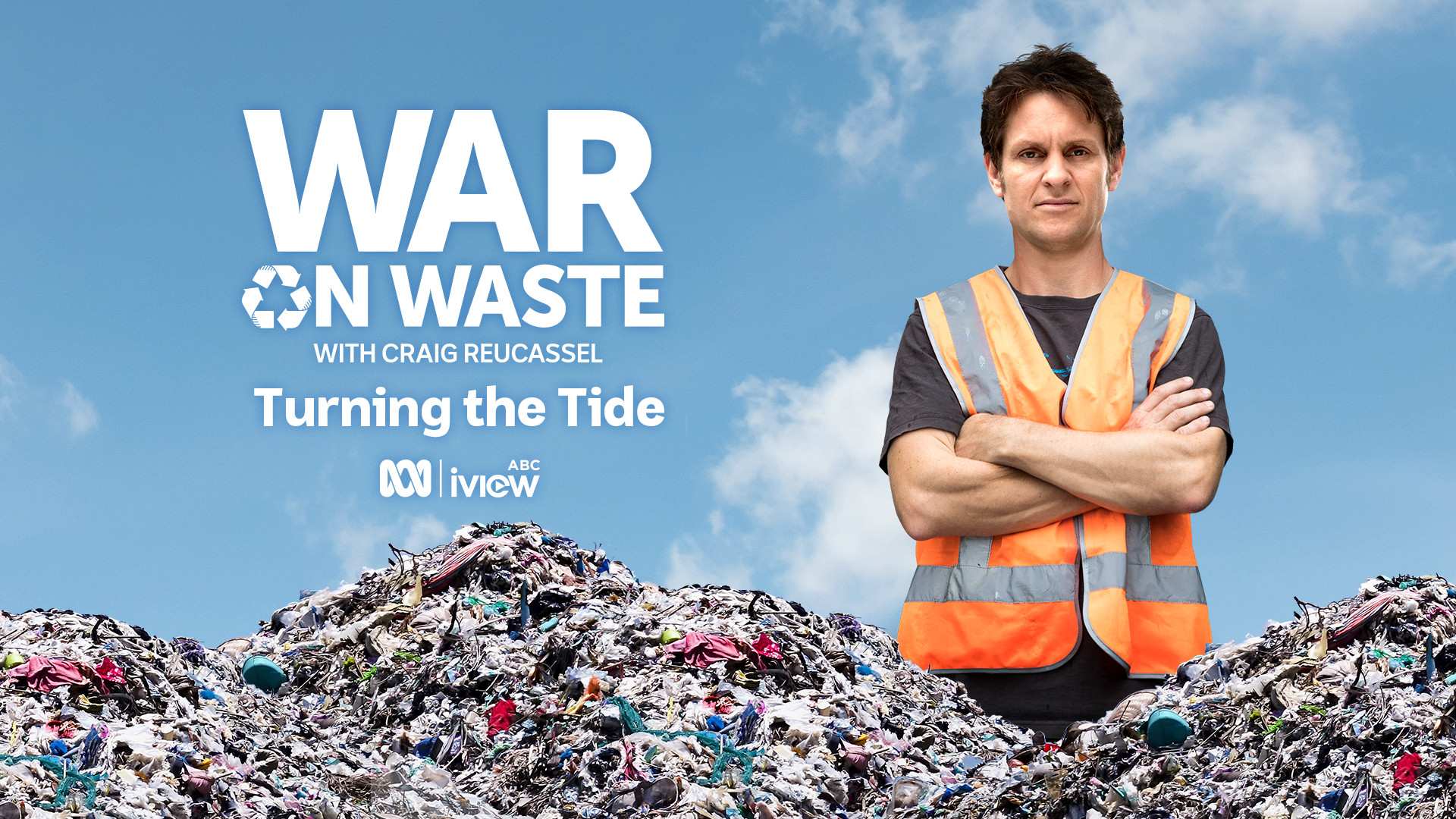
PermaNews Brief
Key Takeaways
New participants in the "War on Waste" initiative should start with Episode 1 to understand its history and ongoing efforts.
- Initiative frames waste as a problem needing dedicated response.
- Military language signals a serious collective undertaking.
- Participants are active contributors, not just observers.
- Episode 1 provides foundational knowledge for new members.
- Understanding history is crucial for effective participation.
Why It Matters
Understanding the context and origins of a community initiative empowers new members to contribute effectively from the outset, fostering a sense of shared purpose and informed action.
What to Do Next
Listen to Episode 1 of the "War on Waste" podcast to gain foundational knowledge.
Recommended for: New participants in community-driven initiatives or organizers looking to effectively onboard new members.
This article, titled "Information for new recruits," serves as an introductory message for individuals who are new to the "War on Waste" initiative. It functions as a welcome and a guide for those unfamiliar with the project's origins and ongoing efforts. The core message is an invitation for these new participants to engage with the initiative from its inception, suggesting a structured approach to understanding its goals and activities.
The phrase "War on Waste" itself implies a significant, concerted effort to address issues related to waste generation and management. This framing suggests that the initiative views waste as a substantial problem requiring a dedicated and comprehensive response, akin to a campaign or a battle. The use of military-themed language, such as "recruits" and "join the fray," reinforces this perception of a serious and collective undertaking. It positions participants not merely as observers but as active contributors to a larger cause.
The instruction to "jump back to episode 1" is a key piece of guidance for new entrants. This indicates that the "War on Waste" is not a static concept but rather an ongoing series of discussions, investigations, or actions that have a chronological progression. By directing new recruits to the first "episode," the initiative aims to provide them with the foundational knowledge and context necessary to fully comprehend the current state of affairs and the rationale behind various strategies. This suggests that understanding the historical development of the initiative is crucial for effective participation. It implies that there are established narratives, initial challenges, and foundational principles that were laid out at the beginning, which new members need to assimilate.
The article's brevity suggests that its primary purpose is to act as a signpost rather than a detailed explanation. It assumes that the "War on Waste" is a recognized entity and that new recruits will understand the general concept of addressing waste. The focus is on onboarding and integration into an existing framework. The tone is direct and encouraging, aiming to motivate new participants to actively engage with the content and become part of the community or movement.
In essence, this brief article functions as a call to action for newcomers, inviting them to immerse themselves in the "War on Waste" from its very beginning. It highlights the importance of understanding the initiative's history and foundational elements to become an informed and effective participant in the ongoing efforts to combat waste. The language used underscores the seriousness and collective nature of the endeavor, positioning new recruits as valuable additions to a dedicated cause.
Source: abc.net.au
Related Analysis
- A $1.4B Initiative Pushes Midwest Farming Toward Regenerative Systems — Ivana Gazibara's $1.4B initiative to reshape Midwest regenerative agriculture marks one of the first explicit large-scal…
- IUCN Rewilding Guidelines Move Practice Beyond Advocacy — The IUCN's new Global Guidelines for Rewilding give conservation practitioners a codified operational framework, marking…
Related on PermaNews
- Ep. 424: 10 Free Feeds from Waste – Permaculture for Meat (Podcast)
- Concrete Composting: Urban Permaculture Solution #shorts (Video)
- Compost Alternatives: Easy Waste Solutions (Video)
- Permakultur-Einführung: Auenhof Feldbach, Juli 2026 (How-To Guide)
- No-Till & Living Fences: Reduce Waste, Boost Regeneration (Video)
- Composting Made Easy: 2 Flips for Efficient Results (Video)
Explore more in Community, Policy & Systems Change — the full hub for this knowledge area.