Every Seed Has a Story
PermaNews Brief
Key Takeaways
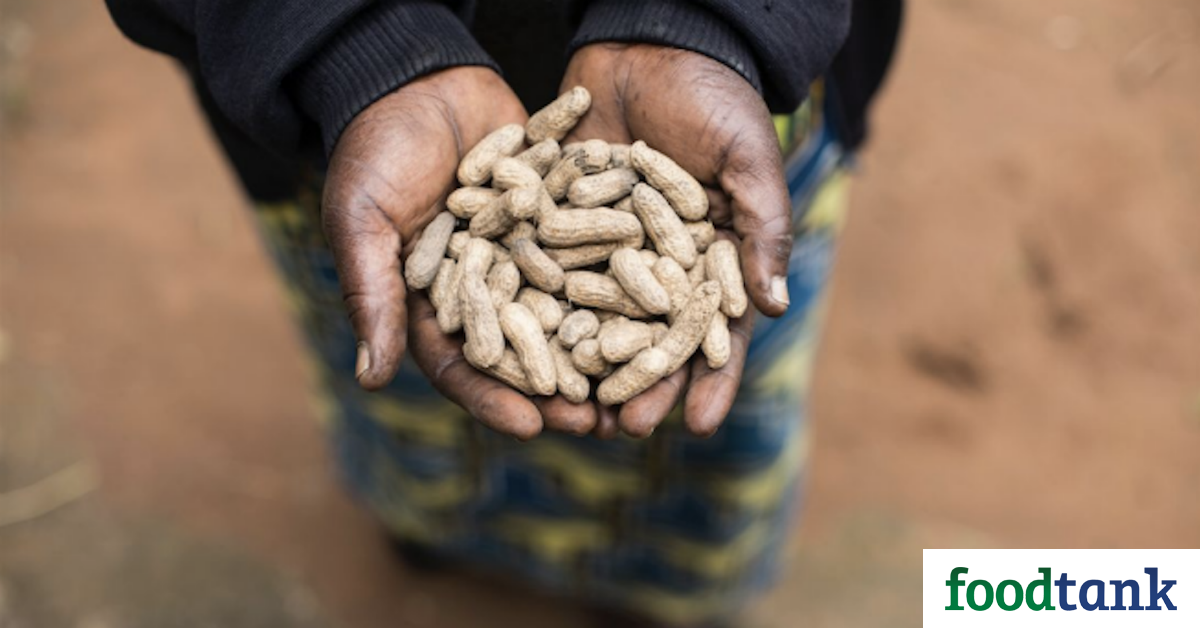
Seeds embody cultural histories and local adaptations that strengthen farming resilience.
- Seeds as community cultural records
- Importance of seed saving for biodiversity
- Locally adapted varieties enhance resilience
- Women play key roles in seed conservation
- Seed banks are vital for food sovereignty
Why It Matters
Focusing on seed conservation fosters community resilience and food security by ensuring diverse agricultural practices tailored to local environments.
What to Do Next
Start a community seed bank to preserve local varieties.
Permaculture Context
For permaculture designers and homesteaders, this framing reorients seed saving from a quaint hobby into a core systems practice. When you save seed from a tomato that survived your unusually wet August, or a bean that set pods during your driest July on record, you are not just cutting costs — you are conducting site-specific plant breeding, compressing generations of adaptation into your particular microclimate. That is something no commercial seed catalogue can replicate for your land. The practical implication is that seed saving deserves the same design priority as water harvesting or soil building: it belongs in your zone planning, your annual calendar, and your community relationships. Joining or forming a local seed library transforms that practice from individual resilience into collective intelligence, because the diversity held across ten neighboring gardens is far more robust than any single collection. At a time when climate variability is accelerating faster than institutional breeding programs can respond, the most future-proof seed stock may already exist in the hands of gardeners willing to observe carefully, select deliberately, and share freely.
Recommended for: Anyone interested in sustainable agriculture and local food systems.
This Food Tank article frames seeds as cultural and biological records shaped by communities over time. It argues that each seed carries a history of folklore, tradition, and local knowledge, and uses that idea to explain why seed saving matters beyond yield alone. The piece connects seed conservation to women’s organizing, village savings groups, and farmer-led seed banks, showing that seed systems can be community institutions rather than just commercial markets. A major insight is the article’s emphasis on locally developed varieties: it explains that a community selects and replants seeds each season for traits such as pest resistance, drought tolerance, and high yield, thereby adapting crops to specific conditions over time. That makes the article particularly relevant to practical resilience because it shows how seed selection is an iterative process of breeding through use. The article also highlights the threat posed by the Green Revolution and related policy pressures, noting that traditional varieties have been lost or discouraged in some regions. It cites a large potential loss of local diversity and describes seed banks as essential for protecting this biodiversity and supporting food sovereignty. For practitioners, the value of the piece is in its clear link between seed saving and adaptive agriculture: locally maintained seed lines can hold solutions for climate variability, extreme weather, and changing growing conditions because they were developed under those realities. The article also underscores food and nutrition benefits by noting that community-selected varieties reflect local tastes and traditions, which helps preserve dietary diversity alongside crop diversity. Overall, it is a strong case-study style narrative about how seed saving supports ecological adaptation, cultural continuity, and farmer autonomy at the community level.
Source: foodtank.com
Related Analysis
- Global Water Bankruptcy Forces Agricultural Adaptation — UN report reveals water bankruptcy across surface waters, glaciers, and groundwater, forcing immediate agricultural adap…
Related on PermaNews
- Designing Regenerative Resilience: Participatory Living Labs (How-To Guide)
- Federal Policy Shift: Native Regenerative Ag for Soil & Carbon (Article)
- Amazonas: Chakra Waldgärten – Dynamische Agroforst-Wunder (Case Study)
- Nagaland's Jhum-Alder Agroforestry: Climate-Smart Farming (Article)
- CIT-ED Pioneers Tribal Food Forest for Climate & Food Security (Case Study)
- weADAPT: 100+ Climate Case Studies & Indigenous Practices (Case Study)
Explore more in Food Systems & Growing — the full hub for this knowledge area.