Mosquito Larvae Control: Your How-To Guide
By Ricardo Orlando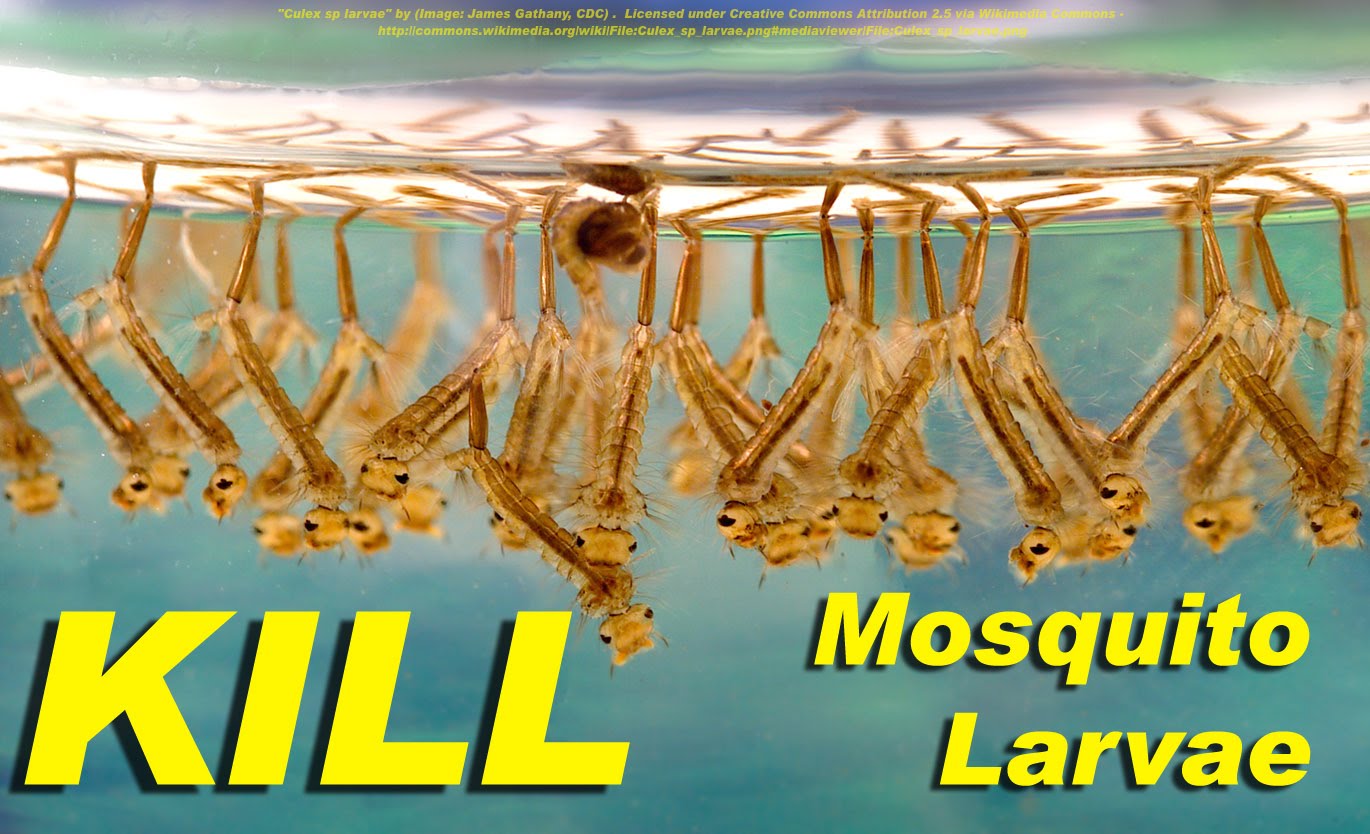
PermaNews Brief
Key Takeaways
Targeting mosquito larvae in standing water is a highly effective and environmentally friendly way to control mosquito populations.
- Eliminate standing water to prevent mosquito breeding.
- Regularly clean and drain common breeding sites.
- Introduce mosquito-eating fish for undrainable water features.
- Quick intervention is key due to rapid development.
- Understanding mosquito life cycle is crucial for control.
Why It Matters
Mosquitoes are not just a nuisance; they carry diseases like West Nile Virus, making effective control essential for public health.
What to Do Next
Inspect your property for standing water and drain or treat it today.
Recommended for: Homeowners, gardeners, and community members looking for environmentally friendly ways to manage mosquito populations.
The arrival of warmer weather often brings with it an increased presence of mosquitoes, which are not only a nuisance but also potential carriers of diseases such as West Nile Virus. While adult mosquitoes are a common focus for control efforts, targeting their larval stage can be a highly effective strategy for managing populations. Mosquitoes undergo a complete metamorphosis, with distinct egg, larval, pupal, and adult stages. The larval stage, often referred to as "wrigglers," is aquatic, meaning these immature mosquitoes develop in water.
Understanding the mosquito life cycle is crucial for effective control. Female mosquitoes lay their eggs in or near standing water. These eggs hatch into larvae, which feed on microorganisms and organic matter in the water. After several days, the larvae transform into pupae, and eventually, adult mosquitoes emerge from the pupal casing. The entire process, from egg to adult, can take as little as a week, depending on environmental conditions like temperature. This rapid development highlights the importance of consistent intervention.
One of the most straightforward and environmentally friendly methods for controlling mosquito larvae is source reduction. This involves eliminating or treating standing water where mosquitoes can breed. Common breeding sites include bird baths, clogged gutters, old tires, unmaintained swimming pools, pet water bowls, and even small puddles that persist after rain. Regularly emptying and cleaning these containers, or ensuring they are properly drained, can significantly reduce mosquito populations. For larger water features like ponds or rain barrels, specific strategies may be needed.
For water sources that cannot be easily drained, such as ornamental ponds or water gardens, biological control methods offer a sustainable solution. One popular approach is introducing mosquito-eating fish, such as guppies or mosquito fish (Gambusia affinis). These fish actively consume mosquito larvae, providing continuous control without the need for chemical intervention. It's important to research local regulations before introducing any non-native species into a water body.
Another biological control option involves the use of *Bacillus thuringiensis israelensis* (Bti). Bti is a naturally occurring bacterium that produces toxins specifically harmful to mosquito and black fly larvae, but is harmless to humans, pets, and other wildlife. Bti is available in various formulations, including "mosquito dunks" or "mosquito bits," which can be placed in standing water. When larvae ingest the Bti, their digestive system is disrupted, leading to their demise. This method is particularly useful for larger water bodies or areas where draining is not feasible.
Physical barriers can also play a role in preventing mosquito breeding. For instance, covering rain barrels or other water storage containers with fine mesh screens can prevent adult mosquitoes from laying eggs in the water. Similarly, ensuring that window and door screens are in good repair can help keep adult mosquitoes out of homes, reducing the likelihood of them laying eggs in indoor water sources like plant saucers.
Chemical larvicides are another option, though they are generally considered a last resort due to potential environmental impacts. These products are designed to kill mosquito larvae on contact or ingestion. However, their use should be carefully considered, and instructions must be followed precisely to minimize harm to non-target organisms. Many permaculture practitioners prioritize non-chemical methods due to their commitment to ecological balance.
Beyond direct intervention, maintaining a healthy ecosystem can indirectly contribute to mosquito control. Encouraging natural predators of mosquitoes, such as dragonflies, damselflies, and certain bird species, can help keep populations in check. Creating a diverse and thriving garden environment can attract these beneficial insects and animals.
In summary, effectively managing mosquito populations involves a multi-faceted approach that prioritizes targeting the larval stage. This includes diligent source reduction by eliminating standing water, employing biological controls like mosquito-eating fish or Bti, utilizing physical barriers, and, when necessary, carefully considering chemical larvicides. By understanding the mosquito life cycle and implementing these strategies, individuals can significantly reduce the presence of these pests and mitigate the risks they pose.
Source: urbanfarmonline.com
Related Analysis
- What Climate-Adapted Natural Building Actually Costs in Germany — Climate-adapted natural building in Germany — spanning straw bale, rammed earth, hempcrete, and Passive House-certified …
- Natural Builders Swap Whole-Structure Cob for Hybrid Wall Systems — Several sources suggest natural builders are dividing straw bale and cob by solar orientation within single homes—a func…
Related on PermaNews
- Berlins schwimmende Gärten: Permakultur auf dem Wasser (Case Study)
- Soil Strategies for Transitioning to Small Scale Organic Regenerative Ag (Event)
- Transatlantic Lessons from Community Gardens and Farms (Video)
- We Grow Urban Farm: Regenerative Urban Agriculture Case Study (Video)
- Regeneratives Stadtgärtnern: Ökosysteme heilen & neu beleben (How-To Guide)
- Global Urban Food Forests: Cultivating Green Oases & Community (Article)
Explore more in Shelter, Energy & Infrastructure — the full hub for this knowledge area.