Grow 100kg Veg in 10sqm: The Ultimate Gardening Challenge
By Huw Richards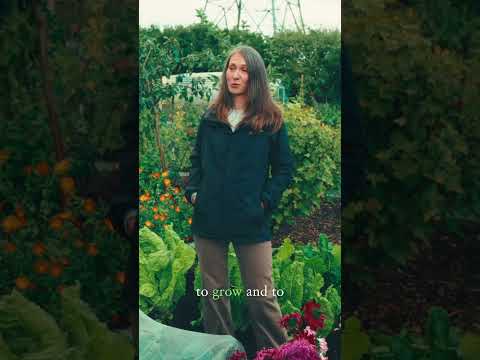
PermaNews Brief
Key Takeaways
Ambitious gardeners can produce 100kg of vegetables from just 10 square meters by focusing on intensive cultivation, strategic crop selection, and optimal soil health.
- Maximize yield from small spaces.
- Select high-yielding, dense crops.
- Prioritize healthy, fertile soil.
- Utilize vertical and succession planting.
- Achieve 100kg from 10sqm.
Why It Matters
This challenge provides a tangible goal for gardeners to significantly increase their food production within limited areas, thereby enhancing food security and self-sufficiency.
What to Do Next
Explore high-yielding crop varieties and intensive planting techniques suitable for your garden space.
Recommended for: Gardeners aiming to significantly increase their home food production within a limited area using intensive methods.
The 100kg Vegetable Gardening Challenge is a practical endeavor aimed at encouraging gardeners to maximize their yield from a relatively small space, specifically a 10 square meter plot. The challenge emphasizes efficient gardening techniques to produce a substantial amount of food, equivalent to 220 pounds, within a single growing season. This initiative is designed to be accessible to a wide range of gardeners, from beginners to those with more experience, by focusing on fundamental principles of intensive cultivation.
A core aspect of achieving this ambitious goal involves strategic plant selection. The challenge recommends prioritizing high-yielding crops that offer a good return on space and effort. Examples of such crops include potatoes, which can produce a significant weight from a small area, especially when grown in methods like potato towers or grow bags. Other recommended vegetables often include squash varieties, which are prolific producers, and root vegetables like carrots and beets, which can be grown densely. Leafy greens, while not as heavy individually, can contribute substantially to the overall weight through successive harvests. The strategy also suggests incorporating climbing plants like beans and peas, which utilize vertical space efficiently, thereby increasing the effective growing area.
Beyond crop choice, the challenge highlights the importance of soil health and preparation. Building rich, fertile soil is presented as a foundational step, as healthy soil directly translates to healthier, more productive plants. This often involves incorporating compost, well-rotted manure, and other organic matter to improve soil structure, water retention, and nutrient availability. The article implicitly suggests that a thriving soil microbiome is crucial for plant vigor and disease resistance, further contributing to higher yields.
Efficient use of space is another critical component. Techniques such as succession planting are encouraged, where new crops are planted immediately after old ones are harvested, ensuring continuous production throughout the growing season. Intercropping, the practice of growing two or more crops in close proximity, is also a valuable strategy. This can involve pairing fast-growing crops with slower-growing ones, or companion planting to deter pests and improve growth. Vertical gardening methods, such as trellises for climbing plants or stacked planters, are also key to maximizing output from a limited footprint.
Water management is also a significant consideration. The challenge implicitly advocates for efficient irrigation practices, such as drip irrigation or soaker hoses, to deliver water directly to plant roots, minimizing waste and ensuring consistent moisture levels. Proper watering is essential for plant growth and fruit development, directly impacting the final yield.
Pest and disease management are addressed through preventative measures and organic solutions. Maintaining plant health through good cultural practices, such as proper spacing and adequate nutrition, is often the first line of defense. The use of companion planting, beneficial insects, and organic pest control methods are also implied as ways to protect crops without resorting to harmful chemicals, ensuring a healthy and productive garden.
The 100kg Vegetable Gardening Challenge is not just about the quantity of food produced; it also serves as an educational tool. It encourages gardeners to observe their plants closely, understand their needs, and adapt their strategies based on environmental conditions and plant performance. This iterative learning process helps gardeners refine their techniques and become more skilled and efficient over time. Ultimately, the challenge aims to demonstrate that even with limited space, it is possible to grow a significant amount of fresh, healthy produce, contributing to food security and promoting sustainable living practices.
Source: youtube.com
Related Analysis
- New Research Splits Silvopasture's Profit Case From Its Ecology — A small but consistent set of signals indicates silvopasture is shifting from ecological ideal to quantified economic ca…
- Seed-Saving Teachers Shift Focus to On-Farm Crop Trialing — Early signals suggest structured seed-saving workshops are coupling genetic diversity education with on-farm crop triali…
Related on PermaNews
- 4 Pflanzen, 620 kg Tomaten: Permakultur-Erfolg! (Video)
- Concrete Composting: Urban Permaculture Solution #shorts (Video)
- 16 Kilo Gemüse auf nur 0,8 m² Anbaufläche ernten (Video)
- Container Garden Harvest: Epic Food from Small Spaces (Video)
- Rooftop Garden Design: Key Ideas & Tips for Urban Spaces (Article)
- Ep. 426: Unconventional Garden Spots Explored (Video)
Explore more in Food Systems & Growing — the full hub for this knowledge area.