March Sowing: Hardy Veg Seeds to Start Now
By Charles Dowding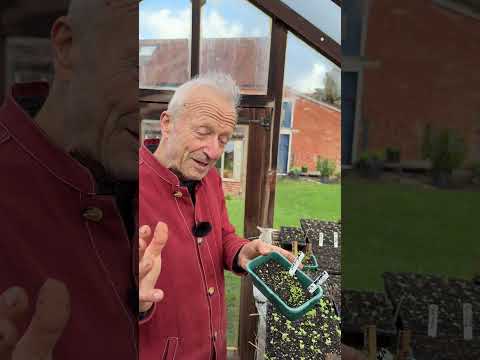
TL;DR: March is ideal for sowing hardy vegetable seeds like brassicas, root vegetables, and leafy greens to ensure a bountiful harvest in temperate climates.
- Start brassicas indoors for early transplanting and strong growth.
- Direct sow root vegetables into workable, stone-free soil.
- Plant fast-growing leafy greens for quick harvests.
- Utilize cool temperatures to prevent bolting in spring crops.
- Select varieties suited for early maturity and resilience to cold.
- Plan for successive sowings to extend your harvest window.
Why it matters: Sowing the right vegetables in March gives them a crucial head start, maximizing growing seasons and yields before warmer weather arrives.
Do this next: Begin planning your March sowing schedule based on your local last frost dates.
Recommended for: Home gardeners in temperate regions looking for actionable advice on early spring vegetable sowing.
As March arrives, gardeners in temperate climates can begin to sow a variety of hardy vegetable seeds, taking advantage of the lengthening days and gradually warming soil. This period is crucial for establishing crops that will provide harvests throughout the spring and summer. The focus during this month is on vegetables that can withstand cooler temperatures and even light frosts, as the weather can still be unpredictable.
One of the primary categories for March sowing includes brassicas. Cabbage, for instance, can be started indoors or in a protected environment like a greenhouse or cold frame. Early varieties are particularly suitable, as they mature relatively quickly. Broccoli and cauliflower also fall into this group. Starting these seeds now allows for the development of strong young plants that can be transplanted into the garden once the risk of hard frost has passed, typically in April or May depending on the specific climate. This head start is vital for maximizing their growing season and ensuring a good yield.
Root vegetables are another important group for March planting. Carrots, parsnips, and radishes can be sown directly into the garden soil, provided it is workable and not waterlogged. For carrots and parsnips, a fine, stone-free soil is ideal to encourage straight root development. Radishes are a quick-growing crop, offering an early harvest, often within a few weeks of sowing. Beets can also be sown now, both for their roots and their edible leaves.
Leafy greens are a staple of the spring garden, and March is an excellent time to sow many varieties. Spinach, lettuce, and Swiss chard can be direct-sown. These crops thrive in cooler temperatures and can bolt (go to seed) if exposed to too much heat later in the season, making early sowing beneficial. Different types of lettuce, from loose-leaf to romaine, can be planted to ensure a continuous supply. Arugula is another fast-growing leafy green that can be sown now for an early, peppery addition to salads.
Onions and leeks, often started from sets or small plants, can also be sown from seed in March. While growing them from seed requires a longer growing period, it offers a wider selection of varieties. These can be started indoors and then transplanted outdoors when they are robust enough. Peas, both shelling and snap varieties, are another excellent choice for direct sowing in March. They prefer cooler weather and can be planted as soon as the soil is workable. Providing support for climbing varieties at the time of planting is advisable.
Herbs such as parsley and cilantro can also be sown in March. Parsley is a slow germinator, so early sowing is beneficial. Cilantro, like many leafy greens, prefers cooler temperatures and can bolt in hot weather.
When sowing in March, it's important to consider soil conditions. While the air temperature may be rising, the soil can still be quite cold. Using cloches, row covers, or cold frames can help warm the soil and protect young seedlings from unexpected cold snaps. For indoor sowing, ensuring adequate light and consistent temperatures is crucial for healthy seedling development. Hardening off seedlings before transplanting them outdoors is also a critical step to help them adapt to external conditions. This involves gradually exposing them to outdoor temperatures and sunlight over a period of about a week.
In summary, March presents a significant opportunity for gardeners to lay the groundwork for a productive growing season. By focusing on hardy vegetables like brassicas, root vegetables, leafy greens, alliums, and peas, and by employing appropriate protective measures, gardeners can ensure a successful start to their spring and summer harvests. The key is to select varieties suitable for cooler conditions and to provide the necessary care for young plants to thrive.
Source: youtube.com
Related Analysis
- Farms Build Resilience, Pivot to Regenerative Soil — New initiatives and analysis explicitly frame regenerative agriculture as a direct solution for climate resilience, focu…
- Federal Policy Pivots, Builds Indigenous Agriculture Frameworks — Federal policy trends are integrating Indigenous knowledge with soil science in regenerative agriculture, shifting polic…
Related on PermaNews
- Ernst Götsch's Cacao Syntropy: Master Agroforestry Now (How-To Guide)
- Finnish Off-Grid: Rocket Mass Heater Performance in Greenhouse (Case Study)
- Berlins schwimmende Gärten: Permakultur auf dem Wasser (Case Study)
- Rodale Report 2025: Thermal Mass Boost in Solar Greenhouses (Case Study)
- AUTarcaMatricultura La Palma: Permakultur & Energieautarkie (How-To Guide)
- Earthaven Ecovillage: 30 Years Off-Grid with Hydro & Solar (Video)
Explore more in Food Systems & Growing — the full hub for this knowledge area.