Grow Food From Scratch: Using What You Already Have (Q&A)
By The Permaculture Consultant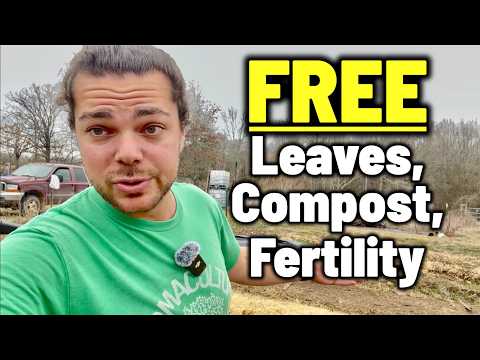
TL;DR: Cultivate food sustainably by observing your environment, utilizing available resources, and prioritizing soil health over external inputs.
- Observe existing conditions before planting.
- Repurpose organic waste as a valuable resource.
- Build healthy soil naturally with organic matter.
- Start small to understand your microclimates.
Why it matters: Embracing permaculture in food production reduces waste and reliance on external resources, making gardening more sustainable and accessible.
Do this next: Begin observing a small area of your garden for microclimates and existing vegetation.
Recommended for: Home gardeners, permaculture enthusiasts, and anyone interested in sustainable food production with existing resources.
The article discusses practical approaches to growing food using existing resources, emphasizing a permaculture perspective that prioritizes observation, thoughtful design, and resourcefulness. It addresses common challenges faced by new gardeners and offers solutions that leverage what is already available, rather than immediately seeking external inputs.
A core principle highlighted is the importance of starting small and observing the environment. Before embarking on large-scale planting, it's beneficial to spend time understanding the microclimates, soil conditions, and existing vegetation on a property. This initial observation period can reveal valuable insights, such as areas that receive more sun, natural water flow patterns, or existing plant communities that might indicate soil health or potential for certain crops. This approach helps in making informed decisions about where to place garden beds, what to plant, and how to manage water, ultimately reducing the need for extensive modifications later on.
The article also delves into the concept of utilizing "waste" as a resource. Instead of discarding organic materials, they can be repurposed to enrich the soil and support plant growth. This includes kitchen scraps, yard waste like fallen leaves and grass clippings, and even cardboard. These materials can be composted to create nutrient-rich soil amendments, used as mulch to suppress weeds and retain moisture, or directly incorporated into garden beds to improve soil structure. This not only reduces waste but also minimizes the need to purchase external soil amendments, aligning with the permaculture principle of "produce no waste."
Another key aspect is the focus on soil health. The article stresses that healthy soil is the foundation of a productive garden. Instead of relying heavily on synthetic fertilizers, the emphasis is on building living soil through organic matter. This involves practices like composting, mulching, and planting cover crops, all of which contribute to a thriving soil ecosystem. Healthy soil, rich in microorganisms, can better retain water, provide nutrients to plants, and resist pests and diseases, leading to more resilient and productive food systems.
The discussion also touches upon water management, advocating for strategies that conserve and utilize water efficiently. This includes observing natural water flow on the property and designing systems to capture and store rainwater, such as rain barrels or swales. Mulching is also presented as an effective way to reduce evaporation and keep soil moist, thereby decreasing the need for frequent watering. By understanding and working with the natural water cycles, gardeners can create more resilient systems that are less dependent on external water sources.
Furthermore, the article encourages a shift in mindset from consumer to producer. Instead of immediately buying new tools, seeds, or plants, it suggests exploring what can be propagated from existing plants, saved from food scraps, or acquired through local exchanges. This could involve saving seeds from heirloom varieties, rooting cuttings from existing plants, or even growing food from kitchen scraps like potato eyes or celery bases. This approach not only saves money but also fosters a deeper connection to the food growing process and promotes self-sufficiency.
Finally, the article emphasizes the importance of community and sharing knowledge. Engaging with local gardeners, joining community gardens, or participating in seed swaps can provide access to diverse plant varieties, practical advice, and a supportive network. This collaborative approach can help overcome challenges, share resources, and collectively build more resilient local food systems. The overall message is one of empowerment, demonstrating that significant food production can be achieved by thoughtfully utilizing existing resources and adopting a permaculture mindset.
Source: youtube.com
Related Analysis
- Farmers Convert Six Weeks of Rhubarb Into 25-Year Supply — Initial signals suggest a rhubarb preservation technique can extend a brief seasonal harvest into 25 years of storage—a …
- Compost Builds Soil Microbiomes—But Human Waste Divides Practitioners — A small but consistent set of signals indicates composting's soil benefits are well-documented, while human-waste compos…
Related on PermaNews
- Ernst Götsch's Cacao Syntropy: Master Agroforestry Now (How-To Guide)
- Finnish Off-Grid: Rocket Mass Heater Performance in Greenhouse (Case Study)
- Berlins schwimmende Gärten: Permakultur auf dem Wasser (Case Study)
- Rodale Report 2025: Thermal Mass Boost in Solar Greenhouses (Case Study)
- AUTarcaMatricultura La Palma: Permakultur & Energieautarkie (How-To Guide)
- Earthaven Ecovillage: 30 Years Off-Grid with Hydro & Solar (Video)
Explore more in Food Systems & Growing — the full hub for this knowledge area.