Homestead Foods: Self-Sufficient Food Storage and Preservation
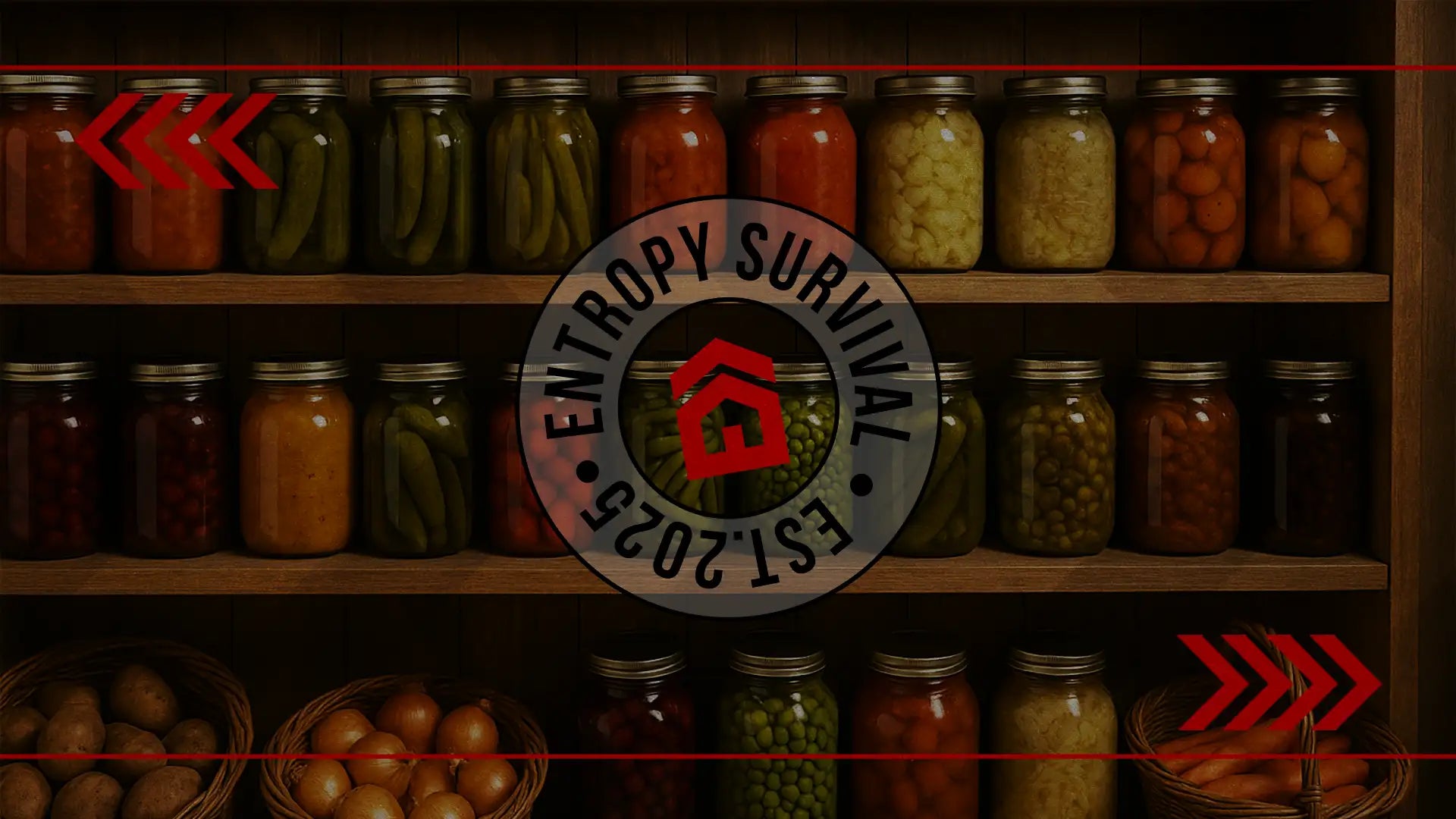
This article is a practical guide to building a resilient homestead food system, with a strong emphasis on storage and preservation methods that support year-round self-sufficiency. It goes beyond general advice by laying out several specific techniques that homesteaders can combine depending on climate, kitchen setup, and food supply goals. The piece frames homestead food not just as what is grown in a garden, but as a full system for growing, preserving, storing, and managing nutrition over time. That systems perspective is valuable because it helps readers think in terms of annual food security rather than isolated preservation tasks.
The article covers multiple preservation methods in concrete terms. Water bath canning is presented as an accessible starting point, especially for high-acid foods such as fruits, pickles, jams, and tomato products. It explains the logic of the process: boiling water, timed heat exposure, microbial reduction, and vacuum sealing. It also distinguishes canning from freezing, noting that freezing is highly effective for preserving nutritional quality and texture, but depends on ongoing energy use. For households seeking lower-energy storage, the article highlights root cellaring as an old but still relevant method that uses natural earth temperature and humidity to extend the life of root crops, apples, and similar produce.
The guide also expands the discussion beyond classic preservation. It includes fermenting, dehydrating, and cold storage as part of a layered food-storage strategy. In addition, it mentions sprouting and microgreen production as a way to keep fresh food available during winter using stored seeds, which makes the article useful not only for preserving harvests but also for extending live food production indoors. The practical value lies in its breadth: readers can see how different methods fit together across seasons and energy conditions. For someone building a small homestead, urban pantry, or preparedness-oriented food plan, the article functions as a useful checklist of core preservation tools and long-term storage options.
Source: entropysurvival.com
Related Analysis
- Regenerative Farmers Flip Cover Crop Logic From Compliance to Profit — Practitioner accounts and a new meta-analysis suggest cover cropping is being reframed from conservation practice to pro…
- Farmers Convert Six Weeks of Rhubarb Into 25-Year Supply — Initial signals suggest a rhubarb preservation technique can extend a brief seasonal harvest into 25 years of storage—a …
Related on PermaNews
- Borneo's Rainforest Revival: Dr. Smits' Sugar Palm Village Hub (Case Study)
- Holmgren's 40 Yrs: Abundant Permaculture Design Webinar 3 (Video)
- They Quit Normal to Homestead - 10 Years Later (Video)
- E60: How One Company is Building a Parallel Food System in America | Pete Strayer of Azure Standard (Podcast)
- Farmer's Garden Survived a Historic Drought, Here's How (Video)
- Water Self-Reliance - Boreholes & Wells at an Off Grid Homestead (Video)
Explore more in Food Systems & Growing — the full hub for this knowledge area.