Ducks: Homestead Heroes, Not Just Cute Animals
By Self Sufficient Homesteading & Gardening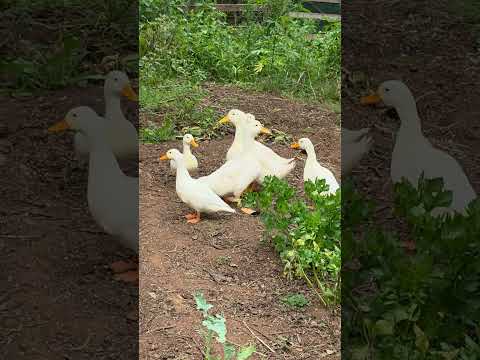
PermaNews Brief
Key Takeaways
Ducks offer numerous benefits for sustainable homesteading and gardening, including pest control, soil enrichment, and food production.
- Ducks naturally control garden pests without harming plants.
- Duck foraging aerates soil and provides natural fertilizer.
- Duck eggs are a valuable and nutritious food source.
- Integrating ducks supports a healthier garden ecosystem.
- Ducks contribute to overall homestead productivity.
Why It Matters
Integrating ducks can significantly reduce reliance on synthetic pesticides and fertilizers, fostering a more self-sufficient and environmentally sound approach to food production.
What to Do Next
Consider introducing ducks to your garden for natural pest control and soil improvement.
Recommended for: Ideal for homesteaders and gardeners seeking sustainable, organic methods for pest control and soil fertility.
The article from Self Sufficient Homesteading & Gardening highlights the multifaceted benefits of integrating ducks into a homesteading or gardening system, emphasizing their role beyond mere aesthetic appeal. Ducks are presented as valuable contributors to a sustainable and productive environment, offering advantages in pest control, soil enrichment, and even providing food resources.
One of the primary benefits discussed is their effectiveness in natural pest management. Ducks are voracious eaters of a wide variety of garden pests, including slugs, snails, grasshoppers, and various insect larvae, which can be detrimental to crops. Unlike chickens, ducks tend to be less destructive to garden plants themselves, as they prefer to forage for insects and weeds rather than scratching up delicate seedlings or consuming ripe produce. This makes them an excellent choice for gardeners looking for an organic and chemical-free method of pest control. Their natural foraging behavior helps to keep pest populations in check, reducing the need for synthetic pesticides and promoting a healthier ecosystem within the garden.
Beyond pest control, ducks play a significant role in improving soil health. As they forage, they naturally aerate the soil with their bills and webbed feet, which can enhance water penetration and root growth. Their droppings are also a rich source of nutrients, acting as a natural fertilizer that enriches the soil with nitrogen, phosphorus, and potassium. This organic matter contributes to a more fertile and vibrant growing medium, supporting stronger plant growth and overall garden productivity. The article suggests that by rotating ducks through different garden areas, homesteaders can effectively distribute these benefits across their land.
The article also touches upon the practical resources ducks can provide. Duck eggs are a highly valued product, often larger and richer than chicken eggs, making them a desirable food source for homesteaders. Ducks are also known for their hardiness and disease resistance compared to other poultry, requiring less intensive care and often thriving in various climates. Their ability to forage for a significant portion of their diet can also reduce feed costs, making them an economically sound addition to a self-sufficient lifestyle.
Furthermore, ducks can contribute to weed control. Their foraging habits extend to consuming various weeds and weed seeds, helping to keep garden beds and pathways clear. This natural weeding service can significantly reduce the manual labor required for garden maintenance. The article implicitly suggests that the presence of ducks fosters a more balanced and resilient homesteading system, where natural processes are leveraged to achieve productivity and sustainability.
In summary, the article from Self Sufficient Homesteading & Gardening portrays ducks as an invaluable asset for anyone pursuing a self-sufficient or permaculture-oriented lifestyle. Their contributions to pest control, soil fertility, weed management, and the provision of food resources make them a practical and environmentally friendly choice for enhancing the productivity and sustainability of a homestead or garden. The overall tone emphasizes the practical and ecological benefits of integrating these animals into a well-managed system.
Source: youtube.com
Related Analysis
- Baltimore Researchers Reject Yield as Urban Farm Success Metric — Several sources suggest urban agriculture is being recast from food supplement to food sovereignty tool, with peer-revie…
- Urban Food Forest Tours Signal Shift From Passive Gardens — Several initiatives indicate urban food forests are evolving into hands-on design and education hubs — distinct from con…
Related on PermaNews
- Ernst Götsch's Cacao Syntropy: Master Agroforestry Now (How-To Guide)
- Finnish Off-Grid: Rocket Mass Heater Performance in Greenhouse (Case Study)
- Berlins schwimmende Gärten: Permakultur auf dem Wasser (Case Study)
- Rodale Report 2025: Thermal Mass Boost in Solar Greenhouses (Case Study)
- AUTarcaMatricultura La Palma: Permakultur & Energieautarkie (How-To Guide)
- Earthaven Ecovillage: 30 Years Off-Grid with Hydro & Solar (Video)
Explore more in Food Systems & Growing — the full hub for this knowledge area.