Tanya's Happy Biofilter Pond: Goldfish & Koi Thrive
By Self Sufficient Homesteading & Gardening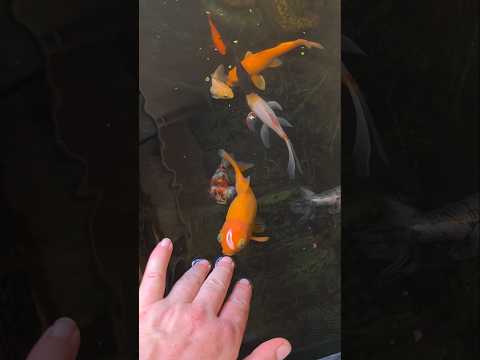
TL;DR: A well-maintained pond ecosystem, with healthy fish and an efficient biofilter, can be a source of peace and self-sufficiency.
- Healthy fish indicate a thriving aquatic ecosystem.
- A biofilter is crucial for water quality and fish health.
- Pond management integrates ecological principles.
- Self-sustaining ecosystems bring deep satisfaction.
- Observing nature enhances well-being.
Why it matters: Understanding pond ecosystems and biofiltration can lead to more sustainable water management practices and a deeper connection with nature, applicable in various homesteading or gardening contexts.
Do this next: Research different biofilter designs for pond or aquaponics systems.
Recommended for: Anyone interested in creating or maintaining a healthy pond ecosystem or integrating sustainable water features into their homestead or garden.
The provided content describes a personal reflection on a "happy place" within a self-sufficient homesteading and gardening context. The core of this contentment stems from the observation of a pond environment, specifically focusing on the health and activity of its aquatic inhabitants and the functionality of its biological filtration system.
The author expresses a deep sense of satisfaction derived from watching goldfish and koi in their pond. This observation is not merely casual; it involves a detailed appreciation for the fish's well-being and their natural behaviors. The fish are described as being active and healthy, which is a key indicator of a thriving aquatic ecosystem. Their movements and interactions within the pond contribute to the overall serene and engaging atmosphere that the author finds so appealing. The presence of these fish, therefore, is a significant component of what makes this particular spot a "happy place."
A crucial element contributing to the health of the fish and the clarity of the pond water is the biofilter. The author highlights the effectiveness of this biological filtration system, indicating that it is performing its function admirably. A biofilter is essential in pond ecosystems as it uses beneficial bacteria to break down harmful waste products, such as ammonia and nitrites, into less toxic nitrates. The successful operation of this system ensures a clean and stable environment for the fish, preventing the buildup of toxins that could otherwise compromise their health. The author's acknowledgment of the biofilter's efficiency suggests an understanding of the underlying ecological principles at play in maintaining a balanced pond.
The combination of healthy, active fish and a well-functioning biofilter creates a harmonious and self-sustaining miniature ecosystem. This harmony is a source of peace and enjoyment for the author. The concept of a "happy place" in this context is deeply intertwined with the successful implementation of permaculture principles, even if not explicitly stated. The focus on a thriving natural system, where elements like fish and filtration work together, reflects an appreciation for ecological balance and the rewards of careful stewardship.
Furthermore, the hashtags "selfsufficienttanya" and "selfsufficienthomesteading" contextualize this pond within a broader lifestyle choice. It implies that this pond is not just a decorative feature but an integral part of a larger endeavor to create a self-sustaining living environment. In a self-sufficient homestead, every component is often designed to contribute to the overall productivity and resilience of the system. While a fish pond might primarily be for aesthetic enjoyment, it can also play roles in water storage, irrigation, or even as a source of food in some permaculture designs, though the description here focuses on the aesthetic and ecological benefits.
The mention of "goldfish" and "koi" specifically points to common choices for ornamental ponds. These species are known for their hardiness and beauty, making them popular additions to garden ponds. Their presence enhances the visual appeal of the "happy place" and provides a dynamic element to observe.
In essence, the description paints a picture of a well-maintained and ecologically sound pond that brings significant personal satisfaction to the author. The "happy place" is a testament to the successful integration of natural elements and functional systems, embodying a sense of accomplishment and tranquility derived from observing a healthy, thriving ecosystem within a self-sufficient homesteading context. The focus is on the simple yet profound joy found in nature's processes and the positive outcomes of careful environmental management.
Source: youtube.com
Related Analysis
- Farmers Convert Six Weeks of Rhubarb Into 25-Year Supply — Initial signals suggest a rhubarb preservation technique can extend a brief seasonal harvest into 25 years of storage—a …
- Compost Builds Soil Microbiomes—But Human Waste Divides Practitioners — A small but consistent set of signals indicates composting's soil benefits are well-documented, while human-waste compos…
Related on PermaNews
- Entropy Survival: Homestead Energy Independence Guide (How-To Guide)
- Tap & Bottled Water: Shocking Nanoplastic Levels Found (Article)
- Improve Your Soil, Improve Your Garden (Video)
- Cistern Standards: Stormwater Management & Installation Guide (How-To Guide)
- Annual Organic Pig Harvest for Family Sustenance (Video)
- Garten-Stress? 5 einfache Schritte für Permakultur-Einsteiger (Video)
Explore more in Food Systems & Growing — the full hub for this knowledge area.