Organic vs. Chemical: The Fertilizer Superiority Debate
By Urban Farmer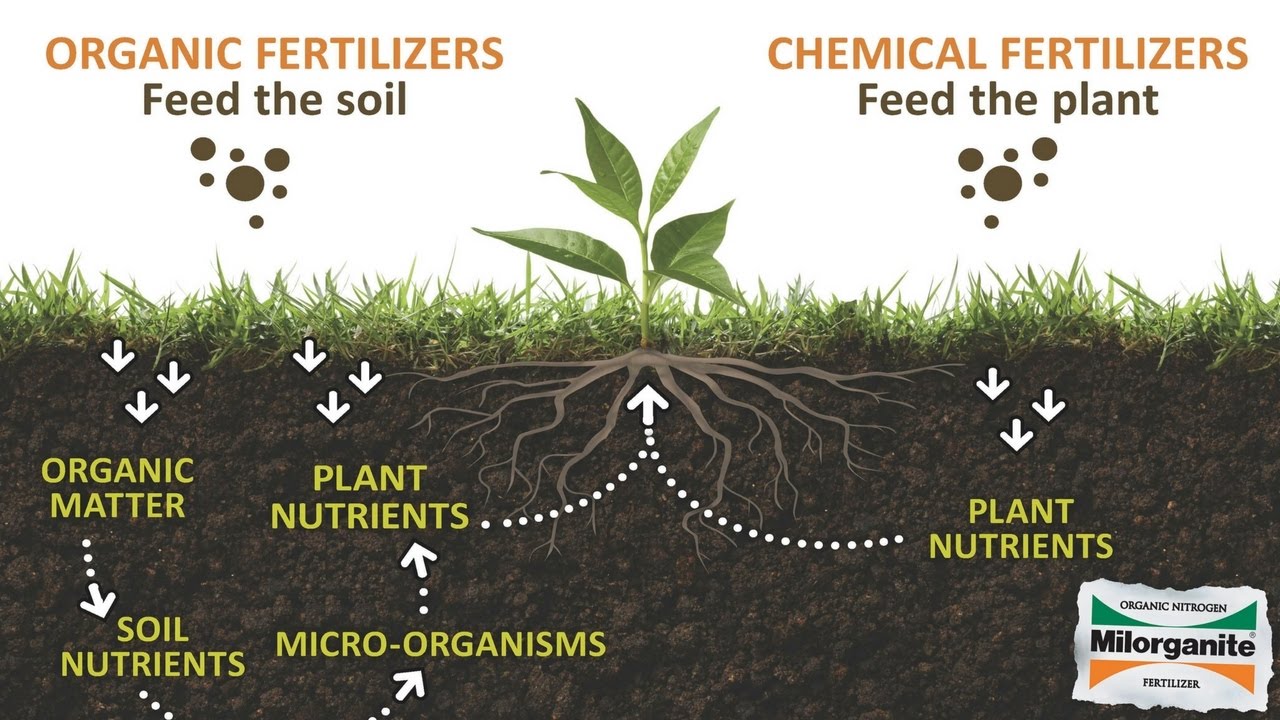
PermaNews Brief
Key Takeaways
Organic fertilizers, derived from natural sources, improve soil health through gradual nutrient release and enhanced microbial activity, unlike chemical fertilizers that offer quick but potentially harmful nutrient delivery.
- Organic fertilizers enrich soil structure and foster microbial life.
- Nutrients release gradually, reducing leaching and runoff risks.
- Chemical fertilizers offer rapid nutrient uptake for quick growth.
- Excess chemical fertilizers can harm groundwater and surface water.
- Informed choices are crucial for sustainable farming practices.
Why It Matters
Understanding the distinct impacts of organic and chemical fertilizers is crucial for cultivating healthier soil, promoting robust plant growth, and ensuring long-term environmental sustainability in agriculture and gardening.
What to Do Next
Start a compost pile to create your own organic fertilizer and reduce waste.
Recommended for: Home gardeners and small-scale farmers seeking to improve soil health and practice sustainable agriculture methods.
The discussion surrounding agricultural inputs often highlights the distinctions between organic and chemical fertilizers, with a focus on their respective impacts on soil health, plant growth, and environmental sustainability. Understanding these differences is crucial for making informed decisions in farming and gardening practices.
Organic fertilizers are derived from natural sources, such as compost, manure, bone meal, and plant residues. Their primary mechanism involves improving the overall structure and biological activity of the soil. When organic matter is introduced, it decomposes gradually, releasing nutrients over an extended period. This slow-release characteristic is beneficial because it provides a steady supply of essential elements to plants, reducing the risk of nutrient leaching and runoff. Furthermore, organic fertilizers foster a thriving soil microbiome, encouraging the growth of beneficial microorganisms like bacteria and fungi. These microbes play a vital role in nutrient cycling, breaking down organic material into forms that plants can readily absorb, and enhancing soil aeration and water retention capabilities. The improved soil structure resulting from organic matter incorporation also makes the soil more resilient to erosion and compaction, contributing to long-term soil fertility.
In contrast, chemical fertilizers, also known as synthetic or inorganic fertilizers, are manufactured through industrial processes. They typically contain concentrated forms of specific nutrients, such as nitrogen, phosphorus, and potassium, often in readily soluble forms. This solubility allows for rapid nutrient uptake by plants, which can lead to quick growth responses, particularly in situations where immediate nutrient deficiencies need to be addressed. However, the rapid release of nutrients can also have drawbacks. If applied in excess or under certain environmental conditions, chemical fertilizers can leach into groundwater or run off into surface water bodies, contributing to water pollution and eutrophication. The high salt content in some chemical fertilizers can also negatively impact soil microbial life over time, potentially leading to a reduction in beneficial soil organisms and a decline in natural soil fertility. While chemical fertilizers can provide precise nutrient ratios tailored to specific crop needs, their long-term impact on soil health and the environment requires careful consideration.
A key difference lies in how these fertilizers nourish plants and the soil. Organic fertilizers feed the soil, which in turn feeds the plants. They contribute to a holistic ecosystem where soil life, nutrient availability, and plant health are interconnected. This approach builds soil organic matter, improving its capacity to hold water and nutrients, and making it more resistant to disease. Chemical fertilizers, on the other hand, directly feed the plants. While effective for immediate growth, they do not inherently contribute to the long-term health and vitality of the soil structure or its microbial community. Over time, reliance solely on chemical fertilizers can deplete soil organic matter, making the soil less fertile and more dependent on external inputs.
From an environmental perspective, organic fertilizers are generally considered more sustainable. They reduce reliance on fossil fuels for manufacturing and transportation, minimize the risk of water pollution, and promote biodiversity in the soil. The use of compost and manure also helps in waste management, recycling organic materials back into the agricultural system. Chemical fertilizers, while offering efficiency in nutrient delivery, come with environmental concerns related to their production processes, potential for pollution, and impact on soil ecosystems.
Ultimately, the choice between organic and chemical fertilizers often depends on specific agricultural goals, soil conditions, and environmental considerations. While chemical fertilizers can offer quick solutions for nutrient deficiencies and boost yields, organic fertilizers provide a more sustainable and holistic approach to soil and plant health, fostering a resilient and productive agricultural system over the long term.
Source: urbanfarmonline.com
Related Analysis
- Practitioners Build Silvopasture Playbook Before Researchers Catch Up — A small but consistent set of signals from the Northeast U.S. shows farmers actively piloting silvopasture while formal …
- New Research Splits Silvopasture's Profit Case From Its Ecology — A small but consistent set of signals indicates silvopasture is shifting from ecological ideal to quantified economic ca…
Related on PermaNews
- Building Resilient Soils: Planning & Resources for Extreme Weather Events (Event)
- Rodale Institute's 50-Year Regenerative Organic Journey (Article)
- Rodale FST: 40+ Years of Organic vs. Conventional Farming (Case Study)
- Seed Saving: A Revolutionary Act for Biodiversity & Food (Article)
- Biodynamic Preparation Workshop with Vincent Masson: 17th September (12:00 pm) to September 18th (6:00 pm) 2026, Emerson College, East Sussex (Event)
- Pest Management for Organic Farming Systems in Florida (Event)
Explore more in Food Systems & Growing — the full hub for this knowledge area.